时间:09/12/2026 09/13/2026
地点:星海禅修中心
主讲:净真
佛法知识
从缘起中获得自由
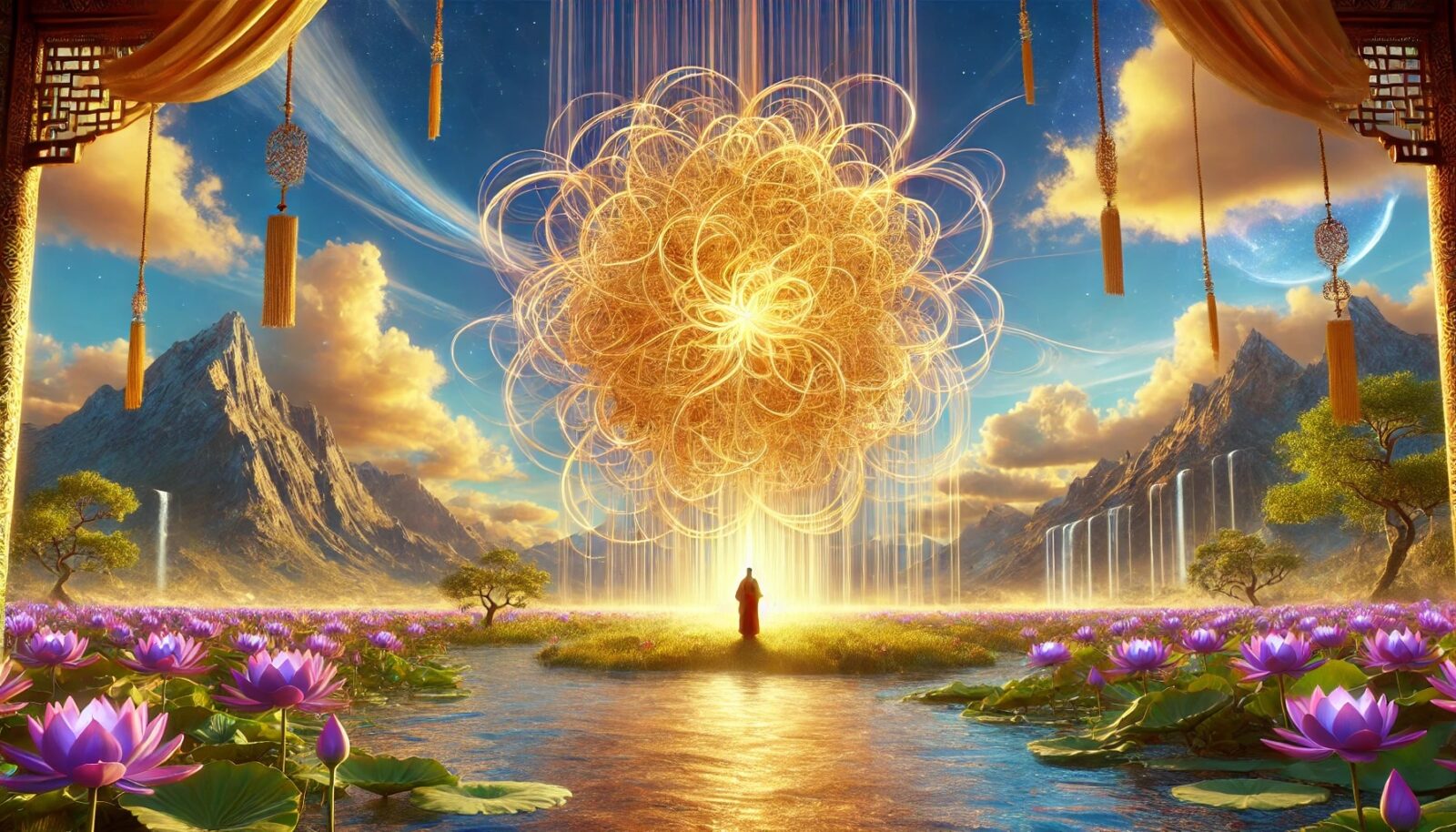
缘起,是佛法对一切现象生成机制的基本说明。所谓缘起,即诸法不依自性而独立存在,而是依赖多重条件的聚合而显现。任何经验到的身心现象,皆非孤立实体,而是条件网络中的暂时结果。因此,对缘起的理解,并非抽象理论,而是对存在结构的直接洞察。
从逻辑上看,缘起揭示了两点:一是无自性,二是有条件。无自性意味着一切法不具有固定、独立、不变的本体;有条件意味着一切法皆依因缘而生起。正因为无自性,现象才可能被条件所改变;正因为依条件而生,现象也必然随条件的变化而转变与止息。
在此基础上,自由的问题获得重新界定。通常所理解的自由,往往指主体对外在环境的控制能力,或在选择中的不受限制。但在缘起的视角中,这种理解仍然建立在“自我”为独立实体的前提之上。佛法则指出,所谓“我”本身亦是缘起的产物,是五蕴在特定条件下的暂时组合。因此,自由不在于强化“我”的控制,而在于如实认识这一结构。
进一步分析,束缚的形成,源于对缘起结构的误解。由于无明,不见诸法依缘而生,反而执取其为恒常与实有,由此产生爱与取。爱与取又反过来强化业力,使新的存在不断生起,形成轮回的连续性。由此可见,束缚并非来自外在世界,而是来自对因缘关系的错误认知与反应。
因此,自由并不是脱离因缘,而是在因缘中获得不被束缚的状态。通过正见,修行者观察到一切经验皆依条件而生灭,不再将其误认为“我”或“我所”。当感受生起时,只见其为条件作用的结果;当情绪变化时,了知其依因缘而转;当念头出现时,观察其生灭过程。这样的观照,使执著逐渐松动。
在实践层面,这一过程表现为对关键环节的干预。于触处不生执取,于受处不生贪爱,于想与行中不构建固化的自我认同。随着无明的减弱,爱取的力量随之下降,业的推动亦逐渐停止。由此,缘起链条中的关键节点被松解,轮回结构不再持续。
需要强调的是,从缘起中获得自由,并不意味着否定经验世界的存在,而是否定其被误认为恒常与可执的性质。现象仍然如常显现,但不再成为执著与苦的基础。自由因此表现为一种不依附、不抗拒的清明状态。
最终,当无明彻底止息,缘起链条不再继续,生的条件不再具足,老死亦随之终止。这一终止并非某种“状态”的获得,而是苦的结构被彻底解构。所谓自由,即是不再被因缘所驱动的存在方式,是对缘起法则的完全通达与不再误解。
Date: 09/12/2026 09/13/2026
Location: Star Ocean Meditation Center
Teacher: Sara
Dharma Knowledge
Freedom Through Dependent Origination
Dependent origination is the fundamental explanation in the Dharma of how all phenomena arise. It states that nothing exists independently by its own essence; all phenomena arise through the convergence of multiple conditions. Every experienced physical or mental event is not an isolated entity, but a temporary result within a network of conditions. Thus, understanding dependent origination is not an abstract theory, but a direct insight into the structure of existence.
Logically, dependent origination reveals two key points: non-self-nature and conditionality. Non-self-nature means that phenomena lack any fixed, independent, and unchanging essence. Conditionality means that all phenomena arise based on causes and conditions. Because phenomena lack inherent essence, they can be altered; because they arise dependently, they also change and cease when conditions shift.
Within this framework, the notion of freedom is redefined. Conventionally, freedom is understood as control over external circumstances or the absence of limitation in choice. However, this view presupposes a self as an independent entity. The Dharma points out that what is called the “self” is itself a product of dependent origination—a temporary aggregation of the five aggregates under specific conditions. Therefore, freedom does not lie in strengthening control by a self, but in accurately understanding this structure.
Further analysis shows that bondage arises from misunderstanding dependent origination. Due to ignorance, one fails to see that phenomena arise dependently and instead grasps them as permanent and real. This leads to craving and clinging. Craving and clinging reinforce karmic processes, giving rise to new existence and sustaining the continuity of samsara. Thus, bondage does not originate from the external world, but from misperception and reactive patterns toward conditions.
Freedom, therefore, is not the absence of conditions, but the absence of bondage within conditions. Through right view, the practitioner observes that all experiences arise and cease based on conditions, without identifying them as “self” or “mine.” When feelings arise, they are seen as conditioned events; when emotions shift, they are understood as dependent processes; when thoughts appear, their arising and passing are observed. This observation gradually loosens attachment.
In practical terms, this process involves intervening at key links. At contact, one refrains from grasping; at feeling, one avoids craving; within perception and formations, one does not construct a fixed identity. As ignorance weakens, craving and clinging diminish, and the force of karma subsides. In this way, critical nodes in the chain of dependent origination are released, and the structure of samsara ceases to perpetuate.
It is important to clarify that freedom through dependent origination does not deny the existence of experiential phenomena; rather, it denies their mistaken attribution of permanence and possessibility. Phenomena continue to arise, but no longer serve as a basis for attachment and suffering. Freedom manifests as a state of clarity without attachment or resistance.
Ultimately, when ignorance is completely extinguished, the chain of dependent origination no longer continues. The conditions for birth cease, and aging-death likewise come to an end. This cessation is not the acquisition of a state, but the complete dismantling of the structure of suffering. Freedom, in this sense, is a mode of being no longer driven by conditions—a complete understanding without distortion of dependent origination.