时间:01/17/2026 01/18/2026
地点:星海禅修中心
主讲:净诚
佛法修行
善护正念 如护油钵
昔日,迦旃延尊者一行人行脚至嗢逝尼国,才刚入城,城中所有的灾祸、疾患便消除了一半。守门人禀告国王:「大王您知道吗?有五百位威仪非凡的比丘,才刚进入城中,城里的灾患就半数平息了!」国王回答:「这真是好事,应当供养他们!」
这时,城里的婆罗门也来禀告国王:「我们日夜辛苦作法、消除灾障,是我们的威力让这些灾患半数消除,不久后灾患就会完全平息,怎么能说是那些比丘的功劳呢?」比丘们来到王宫后,祝愿国王:「愿大王无病长寿!」说完,便辞别国王而去。
国王告诉大臣:「守门人说:『有五百位威仪非凡的比丘,才刚进入城中,城里的灾患就半数平息了!』但这些婆罗门却说:『我们日夜辛苦作法、消除灾障,是我们的威力让这些灾患半数消除,不久后灾患就会完全平息,与外人无关。』我实在不知道这是谁的功劳。
臣子们,现在就请你们把这些比丘和婆罗门带到象廄,在一处不清净的地方,将粗米饼泡在醋浆水中让他们食用。等他们吃完离开时,再分别问他们:『大王今日准备的斋食如何?』」
于是大臣们遵照国王的指示,在象廄中施设斋食,供养这些比丘和婆罗门。等他们吃完临走前,守门人先问婆罗门:「今日各位接受大王的供养,觉得斋食如何?」婆罗门大怒,高声道:「我们认为这不如法!那吝啬的国王,竟然拿粗米饼泡在醋浆水中来供养婆罗门,这样的作为,哪能得到什么福报?」守门人听后,默然无语。
婆罗门离开后,比丘们也走了出来,守门人接着问道:「圣者!大王所供养的斋食,滋味如何?」比丘们回答:「贤者!施主所布施的斋食,我们应当接受,这些斋食足以维持色身日夜所需了。」
守门人向国王详细报告了两边不同的说法。国王听后,再次告诉大臣:「你们现在可以再到象廄中,找一处干净的地方,设置美味的佳肴,然后像之前一样询问他们。」随后,大臣们便在象廄中清净的地方铺设座席,恭敬地为婆罗门、比丘们奉上美食佳肴。等他们吃完要离开时,又像之前一样询问他们。
婆罗门说:「今日的斋食,就像刹利灌顶大王所设的盛宴一般精致稀奇,祝愿大王获福无量!」守门人回应:「王宫厨膳之事本来就难有一致的标准,为什么今日你们没有讥笑、嫌弃呢?」婆罗门于是默然离开了。随后,众人再次询问比丘们,比丘们的回答则与上次相同。
守门人回到宫中,将此事禀告国王。国王又令大臣比照在象廄的做法,移至馬廄再度试验。结果发现,无论在象廄或馬廄中,无论环境清净或污秽、食物精致或粗糙,比丘们的回答都与前次相似。
听完守门人的回报,国王信心大增,心想:「这些比丘,才是真正的福田。」国王随即动身前往迦旃延尊者所在之处,向尊者恭敬顶礼后,退坐一旁。迦旃延尊者为国王说法,令国王闻法欢喜,蒙受法益。国王再次向尊者顶礼,说:「愿尊者慈悲,明日与诸位圣众一同来到宫中,接受我的供养。」尊者默然应允。国王再次恭敬顶礼,辞别而去。
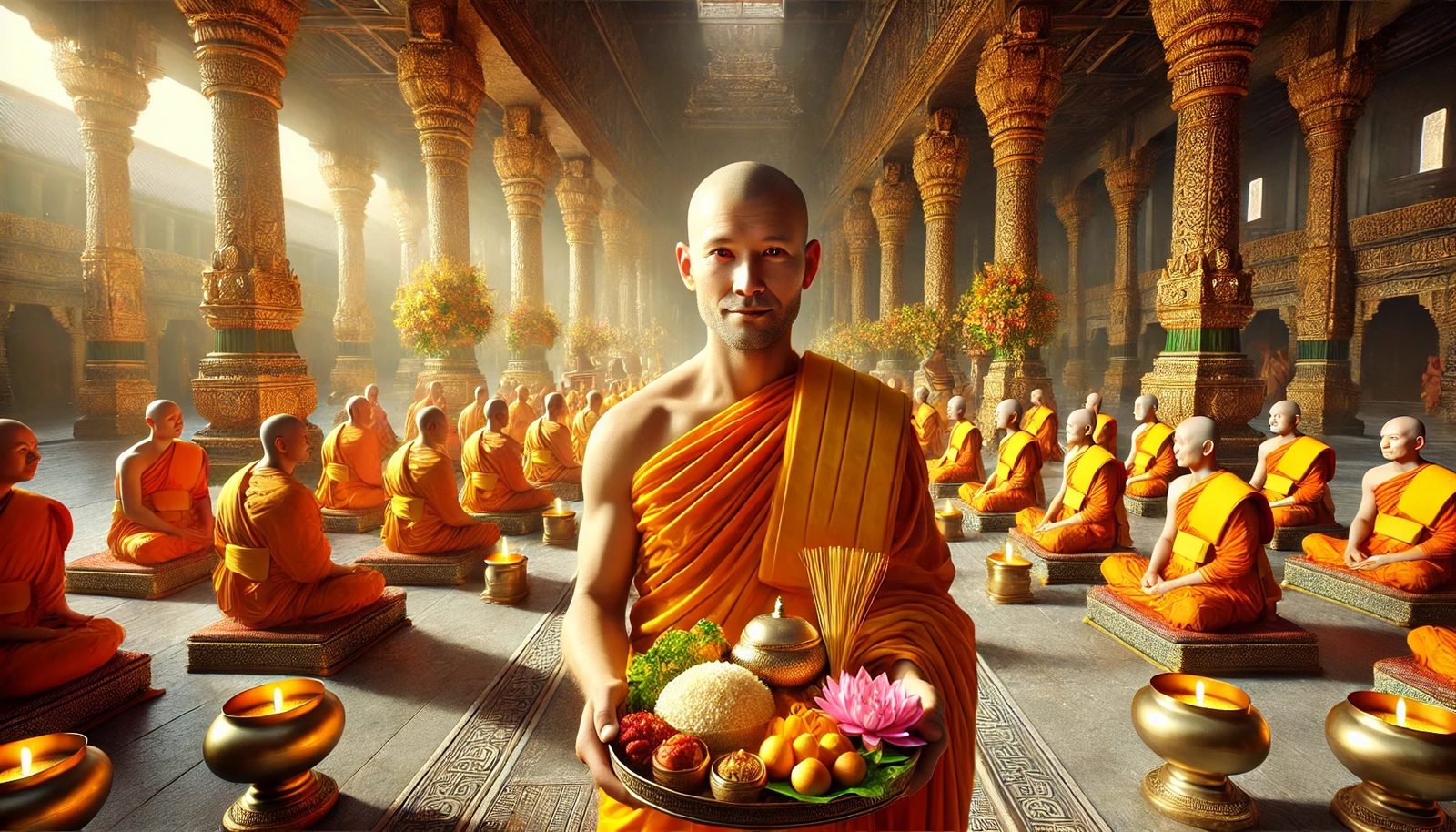
当天夜里,国王准备了上好斋食,次日清晨即铺设座席、安置净水器,并派人禀告尊者:「斋食已经准备好了,愿圣者们依约前往。」到了日初时分,迦旃延尊者执持衣钵,带领比丘们前往设斋之处,次第而坐。
此时,国王命令歌妓演奏各种乐曲、载歌载舞,只见尊者和比丘们收摄诸根,端身正坐。当乐声终止,国王问尊者:「刚才这些音乐演奏得如何?还可以吗?」尊者回答:「大王!只有见到、听到的人,才知道演奏得好坏。」国王说:「如果是六根暗钝的人,或许会不知道;但您耳聪目明,怎么会不见不闻呢?」
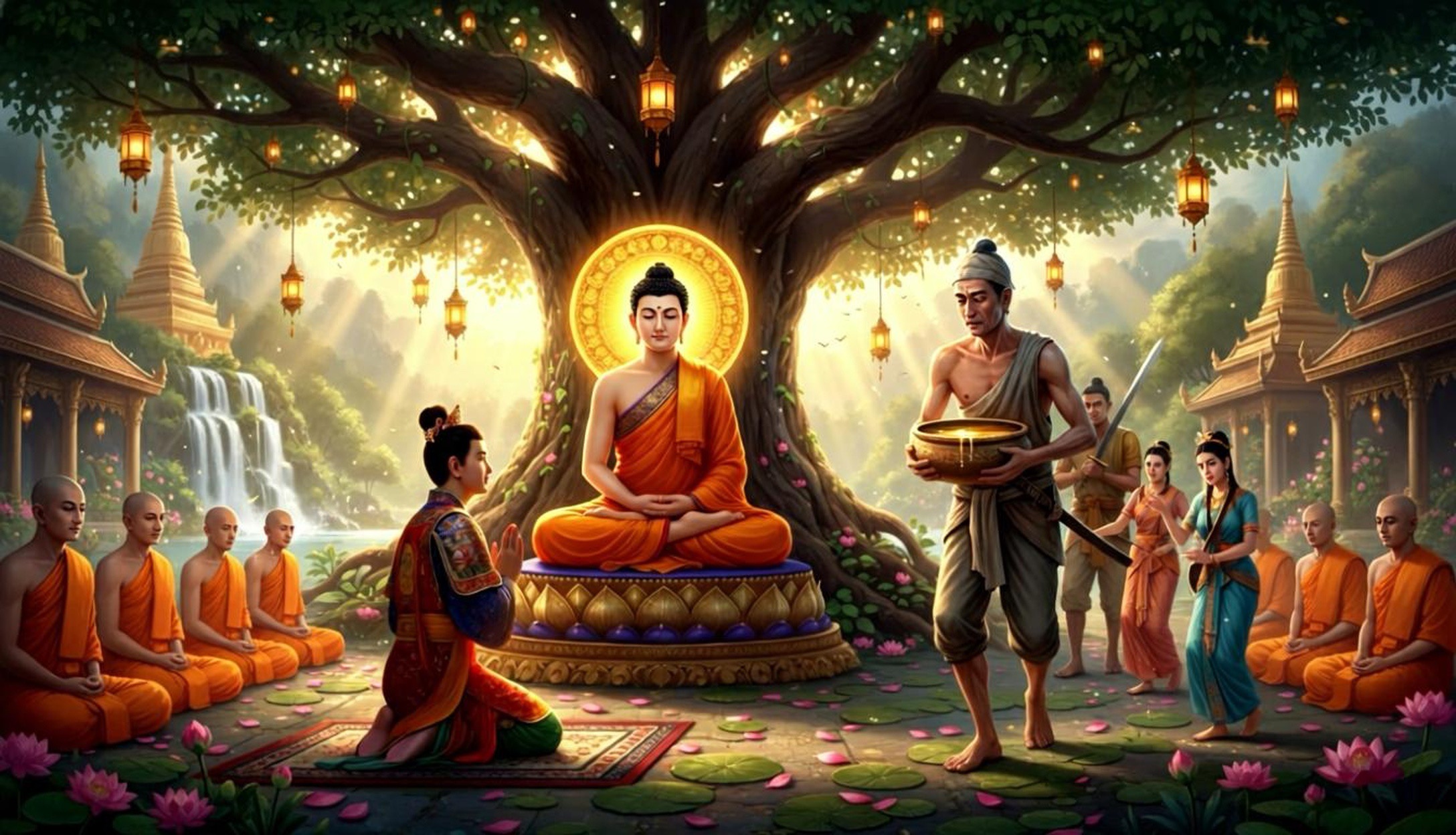
尊者为了让国王明白其中的道理,以善巧方便告诉国王:「大王!现在城内有没有即将被处死的囚犯?」国王问:「您需要这样的人做什么呢?」尊者说:「大王可以将钵盛满油,放在他的手中,再派人拿刀跟随在后,威吓他:『如果有一滴油滴落在地上,就立刻处死。』然后让他自由行走,并在他经过的地方安排种种歌舞妓乐。等他回来后,再问他:『那些美女的容貌、演奏的音乐如何?』如此,大王就会真正相信我说的话。」
国王依照尊者的指示进行。当囚犯捧着油钵小心翼翼地走回来时,国王问他:「那些美女的容貌、演奏的音乐如何?」囚犯回答:「大王!只有见到、听到的人,才知道好坏。」国王问:「你明明有眼睛、也有耳朵,怎么会没看见、没听见呢?」囚犯说:「大王!如果我手中的油钵滴下了一滴油,拿刀的人就会将我处死。当时我只担心油钵倾斜,害怕头颅落地,全心全意捧着油钵辛苦地走回来,哪里还有闲暇去注意美女的容貌和歌舞的好坏呢?」国王听完,沉默不语。
尊者询问国王:「大王,您看到了吗?」国王回答:「看到了。」尊者进一步说:「这位囚犯只为了保全身命,所以全神贯注,保持正念,不敢有丝毫纵逸,善加守护自身。何况我们出家比丘,明白这些歌舞欲乐是多生累劫受苦的原因,早已舍弃,又怎么还会想要去看、去听呢?」国王仔细思惟其中的道理,对迦旃延尊者倍生敬重之心。
Date: 01/17/2026 01/18/2026
Location: Star Ocean Meditation Center
Teacher: Jason
Dharma Talk
Protect Right Mindfulness as One Would Guard a Bowl of Oil
In the past, the Venerable Kātyāyana, together with his retinue, was traveling on foot and arrived at the kingdom of Ujjayinī. As soon as they entered the city, half of all calamities and diseases within the city were immediately dispelled.
The gatekeeper reported to the king: “Your Majesty, do you know this? Five hundred bhikṣus of exceptionally dignified deportment have just entered the city, and the city’s disasters have already subsided by half.”The king replied, “This is truly auspicious. They should be offered support.”
At that time, the Brahmins of the city also came to report to the king: “We have been tirelessly performing rituals day and night to avert calamities. It is by our power that these disasters have been reduced by half. Before long, they will be completely eliminated. How can this be attributed to those bhikṣus?”
After the bhikṣus arrived at the palace, they offered blessings to the king, saying, “May Your Majesty be free from illness and enjoy long life.” Having spoken thus, they took leave of the king and departed.
The king then said to his ministers: “The gatekeeper says, ‘Five hundred bhikṣus of extraordinary deportment have just entered the city, and the disasters have subsided by half.’ Yet the Brahmins say, ‘It is through our ritual efforts that the disasters have been reduced by half and will soon be entirely eliminated; it has nothing to do with outsiders.’ I truly do not know to whom this merit belongs.
Ministers, now take both the bhikṣus and the Brahmins to the elephant stable. In an unclean place, give them coarse rice cakes soaked in sour gruel to eat. After they have eaten and are about to leave, ask them separately, ‘How was the meal prepared by the king today?’”
Accordingly, the ministers followed the king’s instructions and arranged the meal in the elephant stable, offering it to both the bhikṣus and the Brahmins. After they had eaten and were about to depart, the gatekeeper first asked the Brahmins, “You have received the king’s offering today. How did you find the meal?”
The Brahmins became enraged and exclaimed loudly, “This is improper! That stingy king actually offered coarse rice cakes soaked in sour gruel to Brahmins. How could such conduct yield any merit?”Hearing this, the gatekeeper remained silent.
After the Brahmins departed, the bhikṣus also came out. The gatekeeper then asked them, “Venerable ones, how was the meal offered by the king?”
The bhikṣus replied, “Good sir, whatever food is given by the donor should be accepted. This meal is sufficient to sustain the body day and night.”
The gatekeeper reported in detail to the king the differing responses of the two groups. After hearing this, the king again instructed his ministers: “Now return to the elephant stable, find a clean place, prepare exquisite delicacies, and question them again in the same manner.”
The ministers then laid out seats in a clean area of the elephant stable and respectfully offered fine and delicious food to both the Brahmins and the bhikṣus. After they had eaten and were about to leave, they were questioned again as before.
The Brahmins said, “Today’s meal was as splendid and rare as a grand banquet prepared by a consecrated kṣatriya king. May Your Majesty receive immeasurable merit!”
The gatekeeper responded, “Matters of the royal kitchen are never uniformly judged. Why, then, did you not ridicule or disdain it today?”
The Brahmins fell silent and departed. When the bhikṣus were questioned again, their answer was exactly the same as before.
The gatekeeper returned to the palace and reported everything to the king. The king then ordered the ministers to repeat the experiment in the horse stable as well. The results showed that whether in the elephant stable or the horse stable, whether the environment was clean or filthy, and whether the food was refined or coarse, the bhikṣus’ responses were always consistent.
After hearing the report, the king’s faith greatly increased, and he thought to himself, “These bhikṣus are truly a field of merit.” The king immediately went to where the Venerable Kātyāyana was staying. After respectfully prostrating himself, he sat to one side.
The Venerable Kātyāyana taught the Dharma to the king, who rejoiced upon hearing it and received its benefit. The king again bowed and said, “May the Venerable One show compassion and, together with the noble Saṅgha, come to the palace tomorrow to accept my offering.”
The Venerable One silently consented. The king bowed once more and took his leave.
That night, the king prepared excellent food. Early the next morning, he arranged seats, set up vessels of pure water, and sent a messenger to inform the Venerable One: “The meal is ready. May the noble ones come as agreed.”At daybreak, the Venerable Kātyāyana took up his robes and bowl, led the bhikṣus to the place of offering, and they sat down in proper order.
At that time, the king ordered singers and dancers to perform various kinds of music. Yet the Venerable One and the bhikṣus restrained their sense faculties, sitting upright and composed. When the music ended, the king asked the Venerable One, “How was the music just now? Was it satisfactory?”
The Venerable One replied, “Great King, only those who see and hear can know whether it is good or bad.”
The king said, “Those whose six faculties are dull might not know, but you are keen of eye and ear—how could you not have seen or heard it?”
In order to make the king understand, the Venerable One skillfully said, “Great King, is there now in the city a prisoner who is about to be executed?”
The king asked, “What do you need such a person for?”
The Venerable One said, “Great King, have a bowl filled to the brim with oil placed in his hands. Then assign someone to follow him with a sword, threatening him: ‘If a single drop of oil spills onto the ground, you will be executed immediately.’ Allow him to walk freely, and along his path arrange various songs, dances, and entertainments.
When he returns, ask him, ‘How were the appearances of the women and the music that was played?’ In this way, Great King, you will truly believe what I have said.”
The king carried out the instructions exactly as told. When the prisoner carefully returned holding the bowl of oil, the king asked him, “How were the appearances of the women and the music that was played?”
The prisoner replied, “Great King, only those who see and hear can know whether it was good or bad.”
The king asked, “You clearly have eyes and ears—how could you not have seen or heard?”
The prisoner said, “Great King, if even a single drop of oil had spilled from the bowl in my hands, the man with the sword would have executed me. At that moment, I was only concerned that the bowl might tilt and feared losing my head. With my entire attention focused on holding the bowl, I had no leisure to notice the women’s appearances or the quality of the music.”
Hearing this, the king fell silent.
The Venerable One then asked the king, “Great King, do you see now?”
The king replied, “I see.”
The Venerable One continued, “This prisoner, merely in order to preserve his life, concentrated his whole mind, maintained right mindfulness, and dared not indulge in the slightest negligence, carefully guarding himself.
How much more so for us renunciant bhikṣus, who understand that such music and sensual pleasures are the causes of suffering accumulated over countless lifetimes. Having long since abandoned them, how could we still wish to look at or listen to them?”
The king contemplated this principle deeply and developed even greater reverence for the Venerable Kātyāyana.