时间:06/06/2026 06/07/2026
地点:星海禅修中心
主讲:净诚
佛法修行
快目王施眼因缘(一)
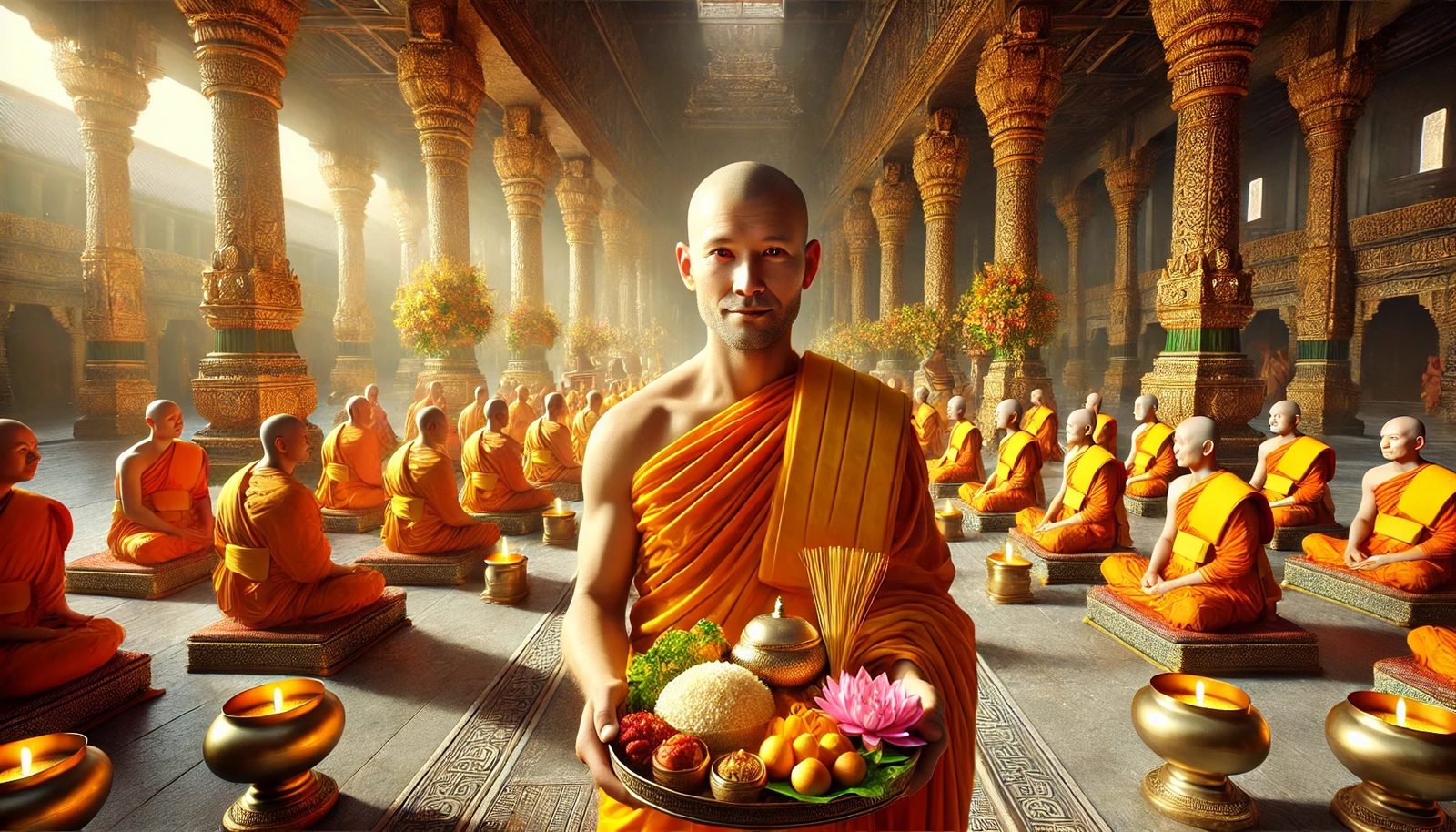
有一天,佛陀在舍卫国只树给孤独园里,弟子围绕着聆听佛陀说法;城中有许多欢喜听世尊说法的人们,也都纷纷赶去前往听法。这时,街道边坐着一位盲眼的婆罗门,虽然双眼看不见,然而他清楚的听见许多人急切走路的脚步声,便问路人:「这么多人急切的往前走,是要去哪里呢?」路人回答他:「你不知道吗?成就无上正觉的佛陀在这世间度化众生,是多么稀有难遇的事;而今佛陀正在我们舍卫国,开敷演说无上大法,以教化众生,大家都是要前往听佛说法。」
这位盲婆罗门能听闻、辨别一切众生的声音,并由音声就能洞悉此人的性情好坏与贫富贵贱。一切众生的声音可分为八种,第一是乌声,第二是三尺乌声,第三是破声,第四是鴈声,第五是鼓声,第六是雷声,第七是金铃声,第八是梵声。所谓「乌声」之人,不知感恩孝养,心志不能廉明高洁;「三尺乌声」之人,性情凶暴,喜欢杀伤、迫害他人,无有慈爱和顺;「破声」之人,男人的声音犹如女人,女人的声音犹如男人,这类的人福德浅薄且贫穷卑贱;「鴈声」的人,能力敏捷、有才干,拥有众多的亲友,并广结善缘。「鼓声」之人,辩才无碍,学问通达,能解释世间一切道理,辅佐帝王;「雷声」之人,智慧深广高远,分析法理清晰透彻,能承担教化天下众生的责任;「金铃声」之人,财宝富饶,能积聚千亿两金;「梵声」之人,福泽深厚无量,道德高远,若是在家,必作转轮圣王统四天下,若是出家学道,将能成就无上正觉之佛道。
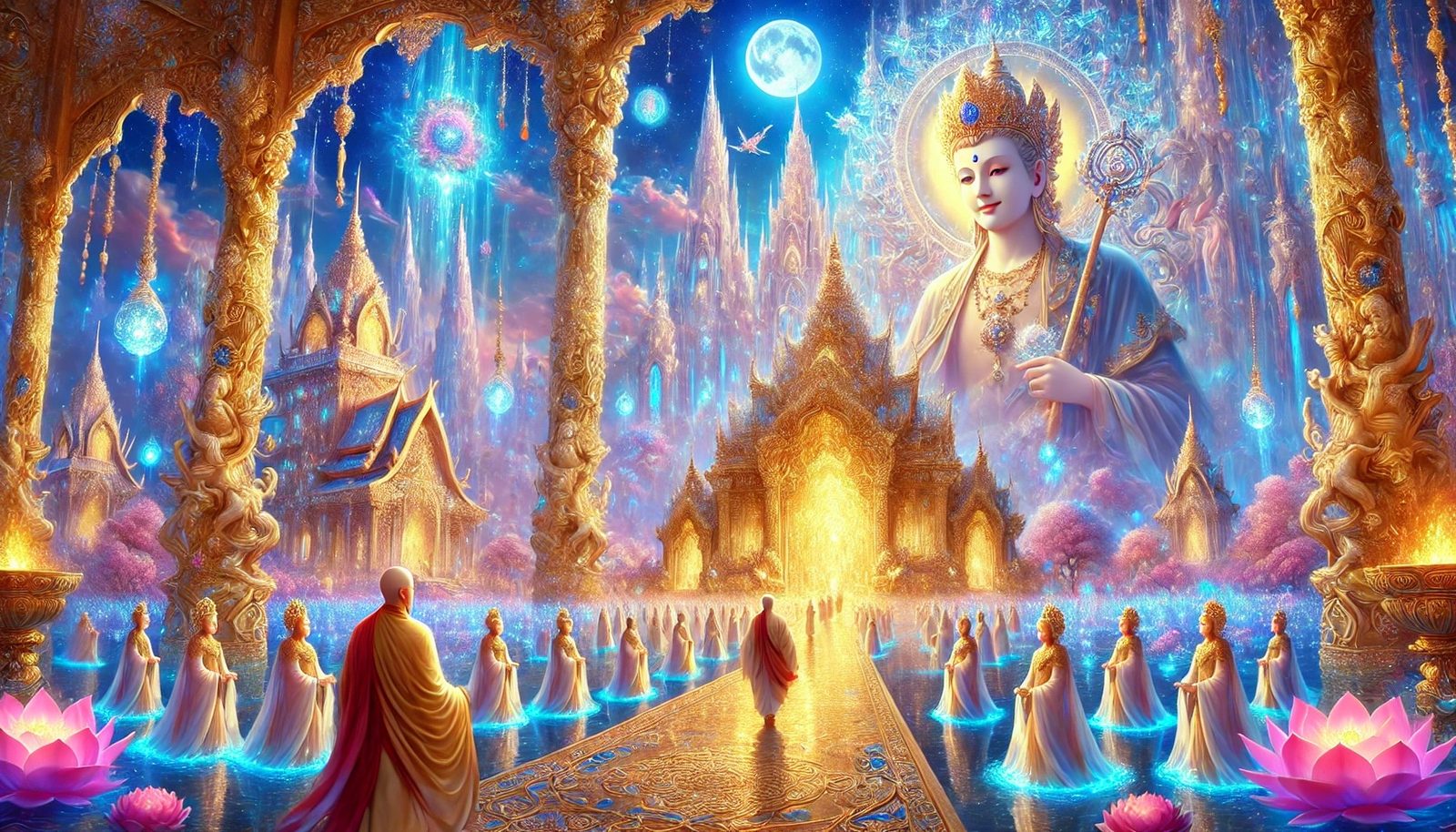
盲婆罗门告诉路人:「我能分别所有人的声音,若真的是佛,应当有梵声,你可以引领我一同前往,让我来识别他真的是佛吗?」路人于是牵着他一路前往,当他们渐渐接近佛陀说法的地方,婆罗门听到了佛陀的音声,具足无上清净梵音,义理深远而文辞流畅。婆罗门内心生出无比的欢喜,双眼顿时恢复光明,看见了佛陀的紫磨金身,具足三十二相,光明朗耀如昊日当空,心中充满无限欢喜,立刻顶礼佛陀,佛陀于是为他说法,他专注一心,谛听信受,顿时破除累世无边罪业,即得须陀洹果。婆罗门即向佛陀求出家,佛陀答言:「善来!」婆罗门当下就现出比丘相,佛陀又为他广说无量妙法,婆罗门随即又证得阿罗汉果。
大众对婆罗门得道的因缘都感到惊讶,疑惑不解。这时,阿难尊者从座位起身,长跪合掌恭敬的问佛陀:「世尊,您于此世间成就无上正觉,悲智饶益无量众生,济度群生于无明黑暗之中,恩德普覆,无有边际;您让这位婆罗门肉眼重见光明,慧眼清净,您对此人的恩德为什么如此深厚?」佛陀告诉阿难:「我给他眼睛,不是只有今日,在过去生中,我也曾经同样给过他眼睛。」阿难又问:「世尊,您说在往昔也曾经给过他眼睛;唯愿世尊慈悲为我们宣说过去宿世的因缘?」
佛陀于是告诉阿难:「在过去久远劫前,在阎浮提里,有一座大城,富迦罗拔,当时的国王名叫快目,因为他的眼睛无比的清澈明亮,可以看穿城墙垣壁,远观四十里。快目王统领阎浮提内八万四千国,六万大小山川,八十亿个聚落;有两万个夫人及侍女,一万个大臣,五百位太子。其中最大的太子名叫戒贤。快目王心性仁慈,悯念一切,照顾人民,长养万物,犹如慈父以善法教化众生,臣子与人民皆顺从快目王的治理教化,气候风调雨顺,四季安和舒适,国家富足安乐,百姓生活安稳。
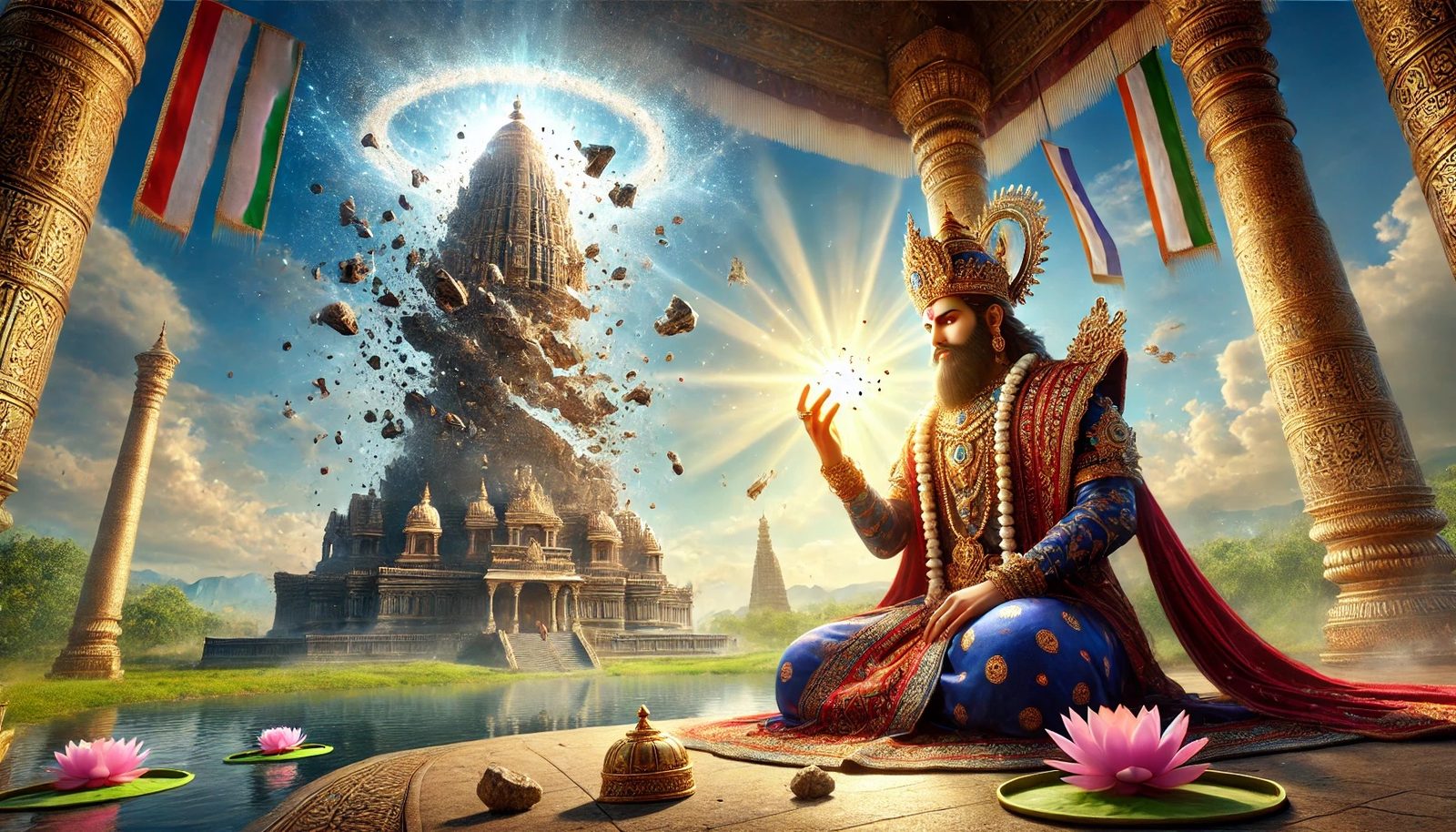
有一天,快目王想:『我因为过去宿世福报所感,今世得为人王,具足无量财宝,受用五欲,快乐满足,富有过于四海,说话教化天下,犹如风吹草偃,臣下与人民都能信受服从。今世因为因缘会遇而受用过去宿世的福报,如果没有继续精进勤力修福,恐怕来世必是穷苦,无有福分。犹如耕田之人,在春天多播谷种,秋夏收割时节必定丰收广阔;如果下一个春天时节,却身心懒惰懈怠,不努力耕耘播种,那么隔年秋天想要五谷丰收就没有希望。因此,我现在应该继续精勤努力,广修福田,不可安逸懈怠。』
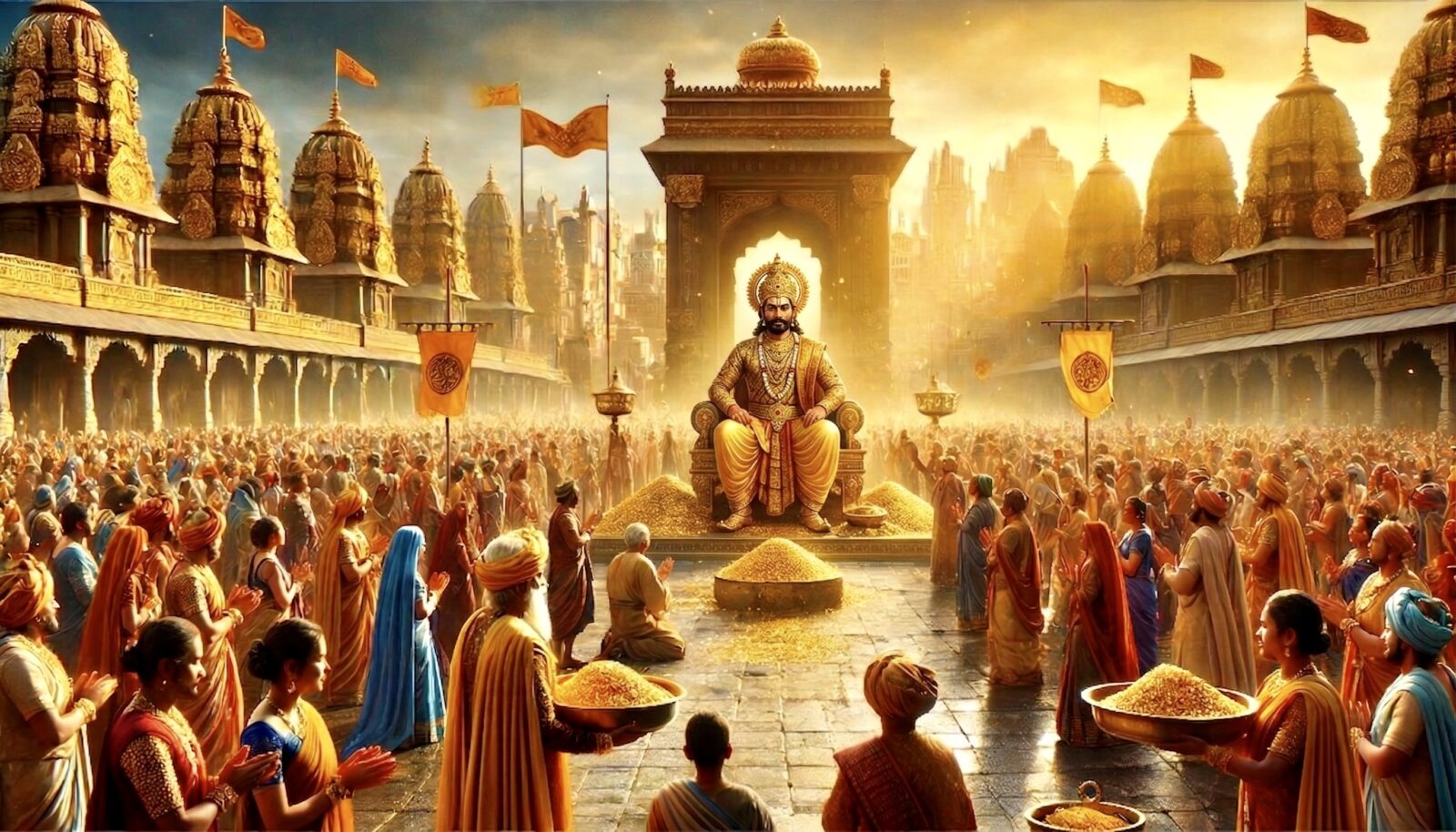
于是快目王告诉所有臣子:『取出我库藏里所有的金银、珍贵财宝及衣服、被褥、饮食等,放置在各个城门口,堆积在市集中,并且宣告天下所有人民,有所欠缺不具足的,都可以前来拿取。』同时也诏告他所统领下的八万四千国,命令各国都开启库藏,布施给一切需要的人。所有的臣子奉行快目王的教导,竪立金幢,击大金鼓,誊写国王的慈悲教导,并遍传阎浮提每个地方。所有的阎浮提的人民,沙门、婆罗门、所有孤独贫困、痛苦灾厄、年老疾病,全部所有的人,只要有想要得到的,都能够随心满愿。阎浮提内一切人们,皆因为快目王慈慈福泽所荫而安稳满足,自相娱乐无有忧虑,人民皆歌颂赞叹快目王的慈悲。(待续)
Date: 06/06/2026 06/07/2026
Location: Star Ocean Meditation Center
Teacher: Jason
Dharma Talk
The Karmic Causes of King Kuai Mu Giving His Eyes (Part I)
One day, the Buddha was in Jetavana Monastery in Śrāvastī, surrounded by disciples listening to his teaching. Many people in the city who delighted in hearing the Dharma also hurried to attend. At that time, a blind brāhmaṇa sat by the roadside. Though he could not see, he clearly heard the hurried footsteps of many people and asked, “Where are all these people going in such haste?” A passerby replied, “Do you not know? The Buddha, who has attained unsurpassed enlightenment, appears in this world to liberate beings—this is rare and difficult to encounter. Now he is in our city of Śrāvastī, expounding the supreme Dharma. Everyone is going to hear him teach.”
This blind brāhmaṇa could hear and distinguish all beings’ voices, and from sound alone discern a person’s character, as well as their wealth or status. All voices can be divided into eight types: the crow voice, the three-foot crow voice, the broken voice, the goose voice, the drum voice, the thunder voice, the golden bell voice, and the Brahma voice. Those with a “crow voice” lack gratitude and filial conduct; those with a “three-foot crow voice” are violent and harmful; those with a “broken voice” have discordant gender qualities and poor fortune; those with a “goose voice” are agile and sociable; those with a “drum voice” are eloquent and knowledgeable; those with a “thunder voice” possess profound wisdom; those with a “golden bell voice” are wealthy; those with a “Brahma voice” possess immeasurable blessings and noble virtue—if householders, they become wheel-turning kings; if renunciants, they attain Buddhahood.
The blind brāhmaṇa said, “I can distinguish all voices. If this truly is the Buddha, he should possess the Brahma voice. Please lead me there so I may verify.” The passerby guided him. As they approached, he heard the Buddha’s voice—pure, profound, and flowing. Instantly filled with joy, his eyes regained sight. He saw the Buddha’s golden body, adorned with the thirty-two marks, radiant like the sun. Overcome with joy, he bowed. The Buddha taught him the Dharma, and through attentive listening, he eradicated past karmic offenses and attained the fruit of Stream-entry. He then requested ordination; the Buddha said, “Come, bhikṣu,” and he was immediately ordained. Hearing further teachings, he soon attained arhatship.
The assembly marveled at this attainment. Venerable Ānanda rose, knelt, and asked, “World-Honored One, you benefit countless beings with compassion and wisdom. You restored this brāhmaṇa’s sight—why is your kindness toward him so profound?” The Buddha said, “I did not give him eyes only today; in past lives I also gave him eyes.” Ānanda then requested to hear the past causes.
The Buddha said, “In a distant past, in Jambudvīpa, there was a great city called Pukkalavata. Its king was named Kuai Mu, whose eyes were extraordinarily clear, able to see through walls and forty li into the distance. He ruled eighty-four thousand countries, countless lands, and vast populations. He was benevolent, caring for all beings like a compassionate father, and the people lived in peace and prosperity.
One day, King Kuai Mu reflected, ‘I enjoy great fortune now due to past merit. If I do not continue to cultivate merit, I may fall into poverty in future lives. Just as a farmer must sow diligently in spring to reap in autumn, so must I now cultivate blessings without laziness.’
Thus, he ordered his ministers to distribute all treasures, clothing, bedding, and food from the royal treasury at city gates and markets, allowing anyone in need to take freely. He also commanded all lands under his rule to open their treasuries and give to those in need. All people—ascetics, brāhmaṇas, the poor, the sick, and the afflicted—received what they desired. The entire land was at peace, and all praised the king’s compassion.” (To be continued)