时间:06/27/2026 06/28/2026
地点:星海禅修中心
主讲:净诚
佛法修行
精进勤修速成佛道
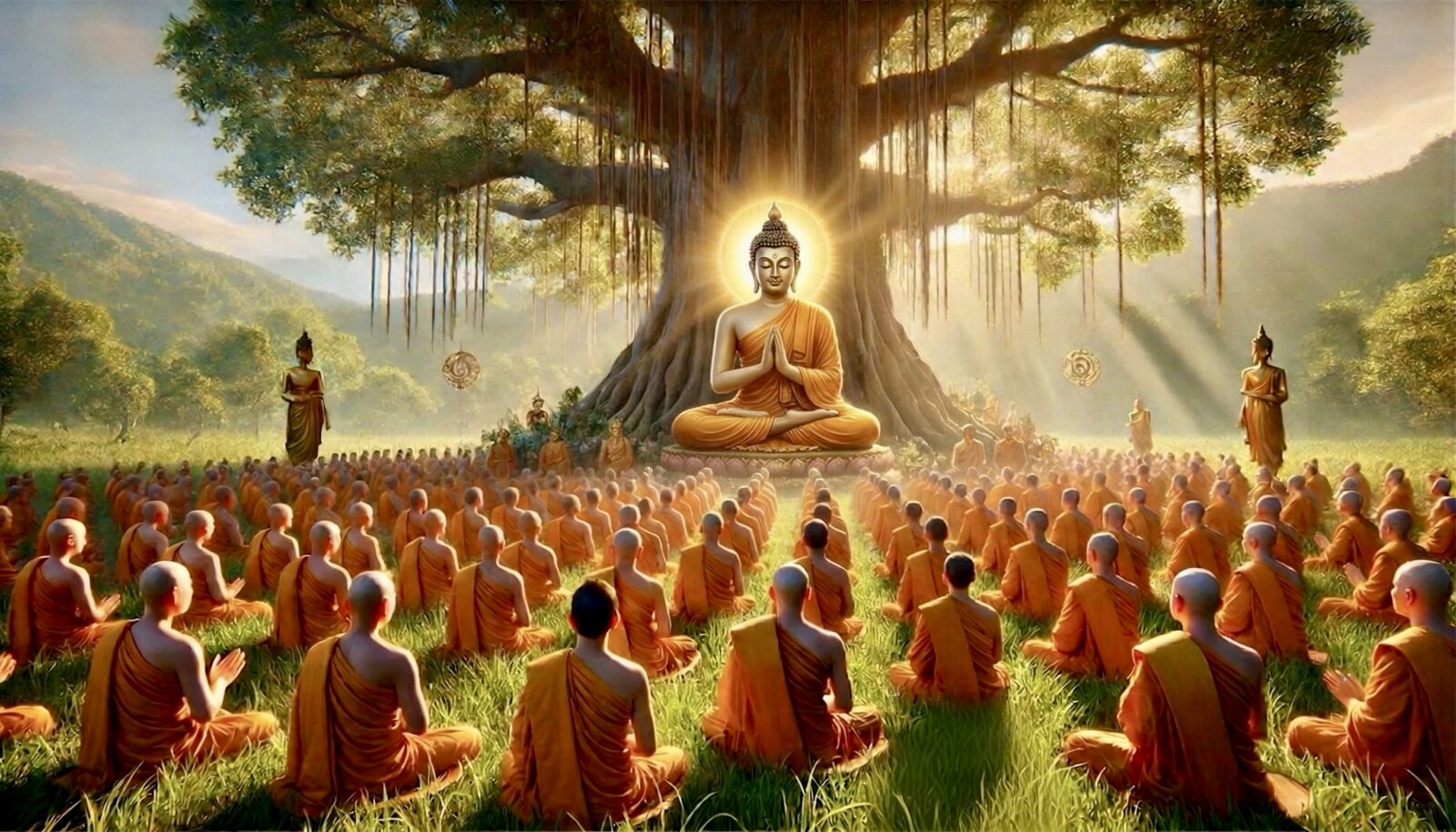
佛在舍卫国只树给孤独园时,看到有些僧众身心懈怠,不精勤于道业,因此告诉阿难:「『懈怠』是一切行为中最令人受累的恶习,会造成种种弊端。在家之人懈怠,就会衣食缺乏、家业衰败;出家人懈怠,则无法出离生死苦海。无论是世间、出世间一切众事,都必须精进、努力不懈,才能成就。在家之人勤奋、精进,就能衣食丰饶,所经营的事业日益兴隆,为大众所称扬、赞叹;出家人精进无有懈倦,所行道业皆能成就。
修行之人想要具足三十七助道品、种种禅定三昧、佛法法藏,乃至截断生死之流,抵达无为安乐的涅槃彼岸,当勤精进,以勤修为本。如果想圆满六波罗蜜、四无量心,上报四恩,具足如来十力、四无所畏、十八不共殊胜功德,及六通、三达,成就一切智,具足三十二相、八十种好,庄严清净国土,乃至教化一切众生,都必须借由精进不懈地努力,方得成办。」
佛陀又告诉阿难:「在无量劫以前,有五百位长者子设立布施大会,并且竖立高大幢幡,击鼓宣告:『无论是沙门、婆罗门、贫穷困苦之人,乃至于乞丐,我们都将平等惠施,给与大众所需之物。』五百位长者子各各布施珍宝、象、马、车乘、衣被、饮食,依据每个人所欠乏的物品全数供给。这时,有一位行遍许多国家的穷人,适巧来到此国,看见五百位长者子设立布施大会,赈穷济乏,毫不吝惜地救济大众,于是问他们:『你们毫无吝惜地布施,是想祈求什么呢?』长者子回答:『我们以此布施功德,上求佛道。』
贫人再问:『什么是佛道?佛道的内容又是如何?』众长者子回答:『佛道远远超越罗汉、辟支佛,于三界中最尊最贵。佛是人天的导师,有无量大慈、无尽大悲,悲愍五道众生犹如对待初生的孩儿一般;佛陀教化一切众生,悉令为善、断除堕入三涂恶道的苦报,度化有情出离生死苦海,到达涅槃安乐之处。
佛是诸恶永尽,众善具足,永无一切垢染,各种贪欲都已灭尽,六波罗蜜皆悉圆满成就,能以无量无边的善巧方便、权宜之法,依众生根性、随时节因缘教化。佛有十神力、四无所畏、十八不共奇特之法、三十七助道品等功德法藏无有穷尽;佛有三十二相、八十种随形好,身紫金色,具足六种神通,圆满无碍;能预知无穷的未来,了知无尽的过去,现在之事无所不知;佛具天眼、宿命、漏尽三达,可以明鉴久远,穷尽过去、现在、未来十方三世一切生死因果,漏尽烦恼。因此佛有如来、应供、正遍知、明行足、善逝、世间解、无上士、调御丈夫、天人师、佛、世尊等十种尊称。因为德行圆满,具足这十种尊胜之德,所以称为佛。』五百位长者子各各如是赞叹佛的无量德行。
贫人听了长者子赞扬佛的功德,心想:『从现在开始,我也要学习他们的愿行,广度一切众生。但是,我这么贫穷、一无所有,应当用什么来普行布施呢?』随即想到:『我应当以我的身体来惠施大众。』于是他便向人求取蜂蜜,将蜂蜜涂满全身,躺卧于坟冢间,发大誓愿:『我现在用我的身体布施给所有众生,若有众生需要身肉、头、目、脑髓,我都将全数供养。以此布施供养功德,上求佛道,广度一切有情。』
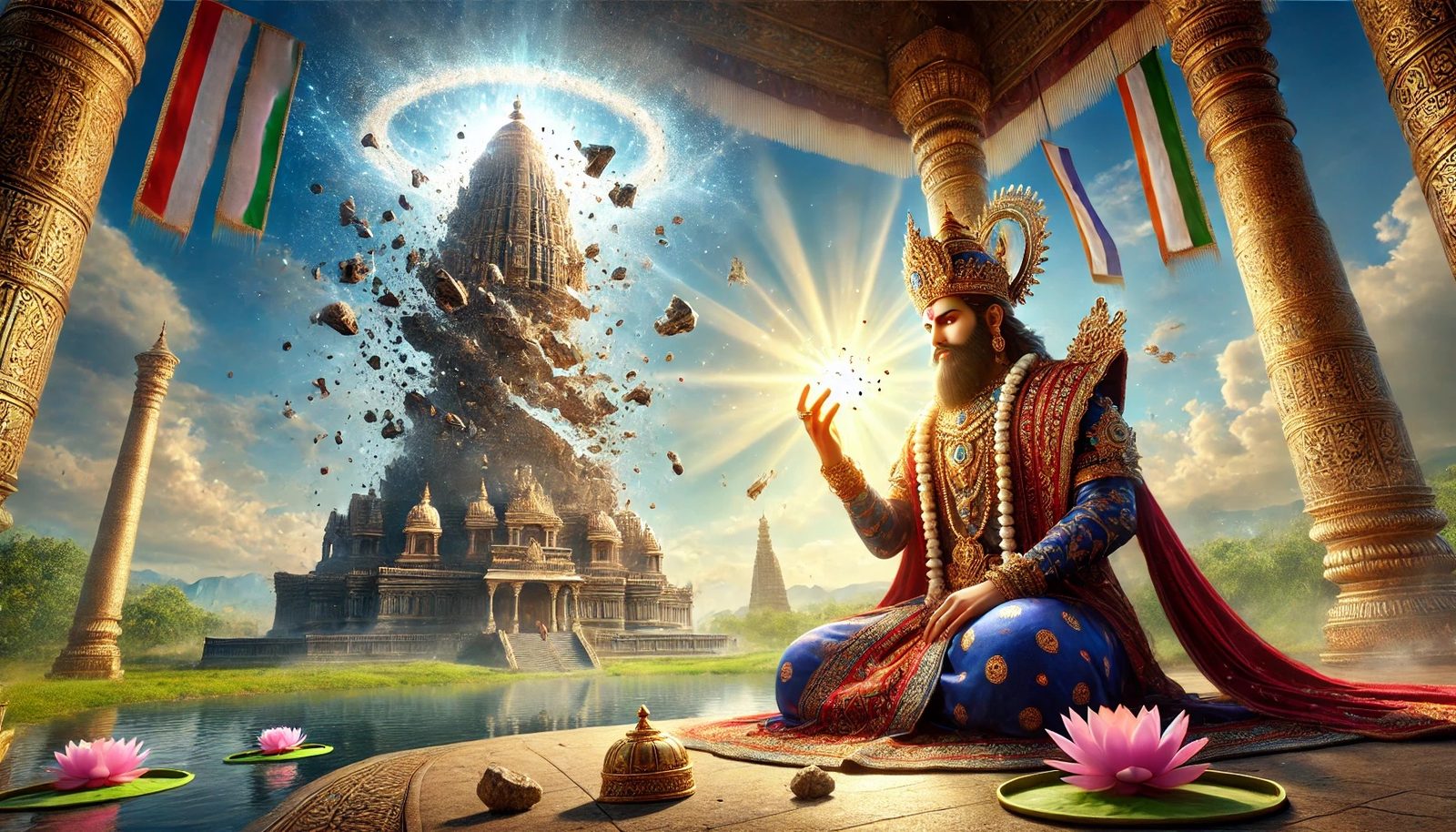
贫人发愿后,三千大千世界立刻大为震动,诸天宫殿都起伏摇晃,诸天天人皆恐惧不安、慌张地奔走。释提桓因以天眼观察,看见菩萨躺卧在坟冢间,以自己的身体广行布施;他想考验菩萨的愿心,便来到阎浮提,化身成群狗、飞鸟、走兽来噉食菩萨的身体。菩萨看到这些飞鸟、走兽等动物,上前噉食自己的身体,内心十分欢喜,没有丝毫恐惧、退转之意。此时,释提桓因回复原来的身相,赞叹菩萨:『善哉!善哉!你的愿行是一般人难以做到的!今日所作的布施功德是要祈求何愿?你企求作天帝、梵王,还是转轮圣王吗?』
菩萨起身回答:『我不祈求作天帝、转轮圣王、魔王、梵王,也不企求三界中的种种享乐,我以至诚之心,发愿上求佛道。但是因为贫穷,没有钱财、宝物可以布施供养,所以便用自己的身体来布施,祈愿上求佛道,广度一切众生。』
释提桓因与无数天人异口同声赞叹:『善哉!善哉!愿心殊胜高远,令人望尘莫及!』这时,释提桓因便以偈赞叹:
『欲求最胜道,不惜其躯命,弃身如粪土,解了无吾我。
虽用财宝施,此事不为难,勇猛如是者,精进得佛疾。』
释提桓因告诉菩萨:『你发愿成就佛道的愿心,无比精进勇猛,这是一般人很难做得到的。你不惜生命,舍身布施给众生的殊胜功德,超过这五百位菩萨布施功德的百千亿倍,乃至不可计量的倍数,你将在五百位菩萨之前,先成就佛道。』释提桓因与诸天天人,以香花散布于菩萨上方,欢喜离去。」
佛告诉阿难:「当时的贫人,就是如来的过去身。五百位长者子,则是今日弥勒等五百位菩萨。如来因为精进、勇猛的缘故,超过这些菩萨所作的功德,先成就佛果。所以,必须精进勤修,不能懈怠。菩萨应如是布施!」
阿难及在座的比丘们,闻佛所说,无不欢喜,向佛顶礼,各各精进,勤修道行。
Date: 06/27/2026 06/28/2026
Location: Star Ocean Meditation Center
Teacher: Jason
Dharma Talk
Diligent Practice Leads Swiftly to Buddhahood
When the Buddha was staying at Jetavana in Śrāvastī, he observed that some monks were lax in body and mind and not diligent in practice. Therefore, he told Ānanda, “Laziness is the most burdensome of all bad habits and gives rise to many faults. For householders, laziness leads to lack of food and clothing and the decline of the family. For monastics, laziness prevents liberation from the ocean of birth and death. Whether in worldly or supramundane matters, diligence and unceasing effort are required for accomplishment. When householders are diligent, they enjoy abundant sustenance and prosperous affairs, praised by others. When monastics are diligent and tireless, all their practices can be accomplished.
Practitioners who wish to perfect the Thirty-seven Factors of Enlightenment, various meditative concentrations, the treasury of the Dharma, and ultimately cut off the stream of birth and death and reach the peaceful shore of nirvāṇa must rely on diligent cultivation. If one wishes to perfect the Six Pāramitās, the Four Immeasurables, repay the Four Kindnesses, and attain the Ten Powers, Four Fearlessnesses, Eighteen Unique Qualities, the Six Supernormal Powers, the Threefold Knowledge, omniscience, the Thirty-two Marks, and Eighty Minor Characteristics, adorn pure lands, and liberate all beings, all must be accomplished through unceasing diligence.”
The Buddha further said to Ānanda, “In immeasurable past kalpas, five hundred sons of elders established a great assembly of giving. They raised tall banners and beat drums to proclaim: ‘Whether śramaṇas, brāhmaṇas, the poor and destitute, or even beggars, we will give equally, providing whatever is needed.’ Each of the five hundred gave treasures, elephants, horses, carriages, clothing, and food, supplying all deficiencies. At that time, a poor man traveling through many lands arrived and, seeing this great charity, asked, ‘What do you seek by giving so freely?’ They replied, ‘By this merit, we seek the path to Buddhahood.’
The poor man asked further, ‘What is the path to Buddhahood?’ They replied, ‘It surpasses arhats and pratyekabuddhas and is the most supreme in the three realms. The Buddha is the teacher of gods and humans, endowed with boundless compassion, guiding all beings to goodness, freeing them from suffering and leading them to nirvāṇa.
The Buddha has extinguished all evils and perfected all virtues, free from defilement, having eradicated all desires. The Six Pāramitās are fully perfected. He teaches with skillful means according to beings’ capacities. He possesses the Ten Powers, Four Fearlessnesses, Eighteen Unique Qualities, and the Thirty-seven Factors of Enlightenment. He has the Thirty-two Marks and Eighty Minor Characteristics, a body of golden hue, and six supernatural powers. He knows the past, present, and future completely. Thus he is called Tathāgata, Worthy of Offerings, Perfectly Enlightened, and so forth.’ The five hundred praised the Buddha’s immeasurable virtues in this way.
Hearing this, the poor man thought, ‘I too will follow this vow to liberate all beings. But being poor, what can I give?’ He then resolved to give his own body. He obtained honey, covered his body with it, lay among graves, and made a great vow: ‘I offer my body to all beings. Whoever needs flesh, head, eyes, or marrow, I will give all. By this merit, I seek Buddhahood and liberate all beings.’
At once, the universe trembled. Śakra observed with divine vision and tested him by transforming into beasts that devoured his body. The bodhisattva felt joy without fear or retreat. Śakra then revealed himself and praised him, asking what reward he sought.
The bodhisattva replied, ‘I do not seek heavenly kingship or worldly pleasure. With sincerity, I vow to attain Buddhahood and liberate all beings.’
Śakra and the devas praised him and recited verses:
‘To seek the supreme path, one spares not the body;
Casting it aside like dust, realizing no-self.
Though giving wealth is easy,
Such courage and diligence lead swiftly to Buddhahood.’
Śakra declared that his merit surpassed countless bodhisattvas and that he would attain Buddhahood first.
The Buddha told Ānanda, ‘That poor man was my past life. The five hundred elders are now Maitreya and others. Because of diligence, I attained Buddhahood first. Therefore, one must practice diligently without laziness.’
Ānanda and the monks rejoiced, bowed, and practiced diligently.