时间:12/12/2026 12/13/2026
地点:星海禅修中心
主讲:净诚
佛法修行
婆罗门憍尸迦弃邪出家因缘(二)
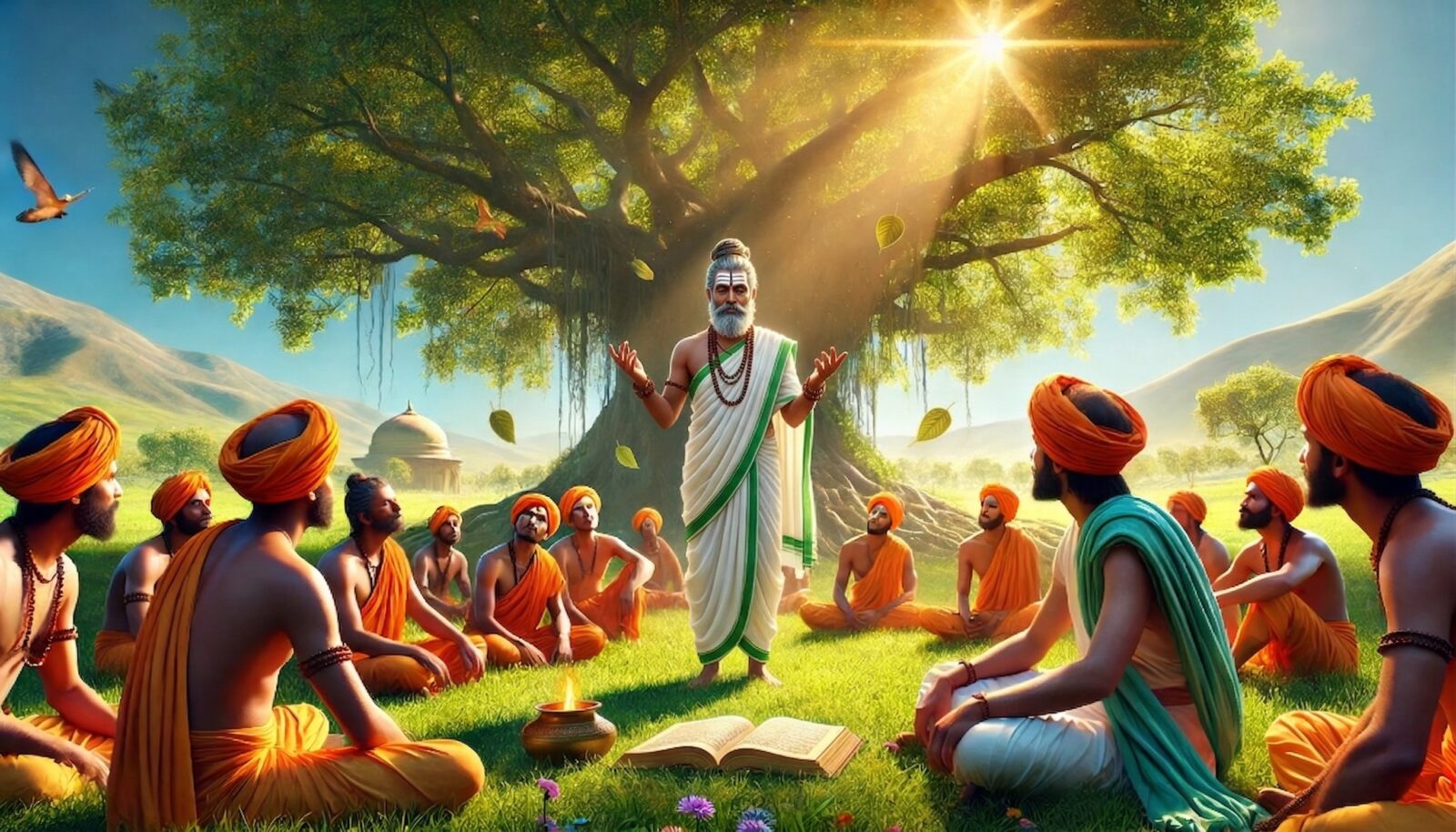
亲友听了憍尸迦的论述,提出他的看法:「你与释迦族为朋党,所以才如此说。但佛经中也有大过失,佛经说生死是无始亦无终,又说一切法皆无我。」憍尸迦告诉亲友:「正因为我明了佛法所说的生死是无始亦无终,一切法皆无我,所以我现在对佛法敬信坚定。如果人执着『我』,则很难得解脱之道。若清楚明白『无我』、不执着『我』,就没有贪爱染着,没有贪爱染着即得解脱。若执着有我,则有贪爱,既有贪爱,有了『取』的念头,就在生死轮回中流转,如何能得解脱?再者,若说生死是有开始,那么开始的生命,是从善恶因缘而得此身?或是不从善恶、自然而有身?若从善恶因缘而得身,就不能说是初始的生命,因为有过去的善恶因缘。若不是从善恶而得此身,那么善恶法又从何而有?若是如此,你认为的法则一半是从因生,一半又不从因生,这种论义才真正有大过失。佛法说无始、一切法无我,哪来过失?」
亲友又反驳憍尸迦:「有系缚才需有解脱,你说无我,无我即无被系缚之人,既然是无人被缚,又是谁得解脱?」憍尸迦言:「虽然说无我,但还是有系缚与解脱。因为被无形无相的烦恼覆盖,所以是被烦恼系缚于生死流转,若断烦恼则得解脱,这就是无我但犹有系缚与解脱的原因。」
婆罗门又问:「若是无我,是谁转生至后世?」憍尸迦说:「你们仔细听!因为过去世烦恼造作的各种业因,而得到现在的身体、六根;现在又造作各种业因,以此因缘得未来身以及诸根。我以譬喻来说明;譬如谷物的种子,因为阳光、空气、水,众缘和合,所以才生芽;如果没有众缘和合,种子生不出芽;既已生芽,种子即灭;种子已灭,可知种子不是恒常,是空性、是无我;芽已生长,所以业报不断。佛说受身也是如此,虽是无我,业报确实存在。」
婆罗门说:「听你解说无我之法,得以洗除我们内心的垢结,但仍有少许疑问,想请教,若是无我,为何能记忆而不忘失以前所作之事?」憍尸迦回答:「因为心念与如来藏相应,所以能忆念三世之事而不忘失。」婆罗门又问:「若是无我,过去已灭,现在心生,生灭心已然相异,为何还能记忆不忘?」憍尸迦说:「一切众生『受生』时,『识』为『种子』,入于母胎这个『田』,经由『爱』水润泽,身体这个『树』得以生长,就如胡桃子随类而生。以前集聚的习气种子会影响以后的习气,但以前的五蕴并不会生出以后的五蕴,以后的五蕴是由过去集聚的业因缘而得的果报,生灭心虽然相异,因果业力却相续不断。又如婴儿生病,以母乳为药,婴儿食母乳,婴儿的病即得痊愈,母与婴儿虽各异其身,但药力能至于婴儿。蕴亦是同样的道理,因为业力相续而受后蕴,所以忆念不忘。」
婆罗门又问:「你所读的经,仅因为经义说无我法,就使你心开意解,生欢喜心吗?」此时,憍尸迦为诸婆罗门诵《十二缘经》,并且说:「因为有无明,无明缘行,行缘识,乃至产生老、死、忧、悲、苦恼。无明灭则行灭,乃至老死灭,所以忧、悲、苦恼具灭。因为这一切并没有独立的自主性,都是众缘和合而有,我从这当中了解并悟到『无我』,并非只是因为经文中说无我。再者,因为有身心及诸根的作用,六根对六尘而产生六识的分别,我悟解到这些因缘关系,乃至悟到诸法缘起性空,而透解无我。」婆罗门又问:「若是如你所言,生死受身,相续不断,如果存有『身见』,会有何种过失?」憍尸迦回答:「因为有『身见』,所以会造作各种善恶业因,轮回于五道,受善恶因缘而得的业果身形,若是因恶业而得恶形,必然受种种苦恼。如果已断除『身见』,进一步贪瞋痴烦恼断尽,不造各种业,则不再受后世身,既然不再受身,众苦永远灭除,则得涅盘。怎能说有『身见』无过患?再说,假设有『身见』不会有过患,那么应该无生死轮回,也不受三有之生死苦?但是事实不然。所以,有『身见』一定有过患。」
这时,婆罗门逆、顺观察《十二缘经》之义理,深心信解,心怀庆幸,而说偈赞叹佛法:
「如来在世时, 说法摧诸论, 佛日照世间, 群邪皆隐蔽。
我今遇遗法, 如在世尊前, 释种中胜妙, 深达诸法相。
所言如来者, 真实而不虚, 逆顺观诸法, 名闻普遍满。
向佛涅盘方, 恭敬合掌礼, 叹言佛世尊, 实有大悲心。
诸仙中最胜, 世间无伦疋, 我今归依彼, 无等戒定慧。」
憍尸迦说:「你现在因为什么缘由而深解如来之功德?」亲友回答:「因为这部《十二缘经》之义理,所以可知佛之不可思议功德;譬如水沈香,黑重津腻,因此燃水沈香时,其奇特之香,远近皆闻。我见如来遗传下来的经义,如见到如来定慧身,而知佛有殊胜功德。虽然我现在没有亲眼看见佛,但是见佛圣迹,则知最为胜妙,如同有人于池边看见象的足迹而知道象身之大。同样的道理,我看了《十二缘经》,虽未见佛,而知佛圣迹,功德最大。」憍尸迦见其亲友真正的相信并解义,深心欢喜的说:「你以前读诵的外道经典甚多,如今一睹佛经,须臾之间即解佛经义趣,全盘舍弃外道观点,是极为希有难得之事。」即说偈言:
「除去邪见论, 信解正真法, 如是人难得, 是故叹希有。
不但叹于汝, 亦叹外诸论, 因其理鄙浅, 我等悉舍离。」
「因为外道的论述有过失,使我们于外道生厌离心,于佛法生信解心,佛实在是无人能比,名称遍于十方剎土。外道之邪论前后矛盾,犹如谎言,无法辩证,所以我舍弃外道,得入佛法。犹如春夏之际,人厌烦酷热,皆想远离太阳;寒冬之时,人皆思念太阳的温暖。外道论述也是如此,应舍离外道如远离夏日。《十二缘经》使我们对佛法生信心,我们应常思维,如寒冬时思念太阳。」
这时亲友问憍尸迦:「我们现在应该如何作?」憍尸迦说:「现在应舍弃一切邪说论述,于佛法中出家学道。为什么?就如暗夜中燃起大火炬,一切鸽鸟皆坠落。佛之智慧灯既然已出现于世,一切外道皆如鸽鸟而坠,所以我们应出家学道。」于是憍尸迦从亲友家离开后,即至僧坊恳求出家,出家后即得阿罗汉果。
是什么因缘要说这件事呢?因为外道常以邪说论议幻惑大众,所以说《十二缘经》,以破除邪知邪见。(全文完)
Date: 12/12/2026 12/13/2026
Location: Star Ocean Meditation Center
Teacher: Jason
Dharma Talk
The Karmic Conditions of the Brahmin Kauśika Abandoning Wrong Views and Going Forth (II)
After hearing Kauśika’s exposition, his companions said, “You associate with the Śākya clan, and therefore speak thus. Yet the Buddhist scriptures also contain great faults. They say that saṃsāra has neither beginning nor end, and that all dharmas are without self.” Kauśika replied, “Precisely because I understand that birth and death are without beginning and end, and that all dharmas are without self, my faith in the Buddha-Dharma is firm. If one clings to a self, liberation is difficult. If one clearly understands non-self and does not cling, there is no attachment, and thus liberation is attained. If one clings to self, attachment arises, leading to grasping and continued rebirth. How then can liberation be attained? Moreover, if saṃsāra had a beginning, was the first life produced from wholesome and unwholesome causes, or did it arise without cause? If from causes, then it is not a beginning. If without cause, then whence arise good and evil? Such a view is contradictory. The Buddha teaches beginninglessness and non-self—where is the fault?”
His companions argued, “If there is bondage, there must be liberation. If there is no self, then who is bound and who is liberated?” Kauśika said, “Though there is no self, bondage and liberation still exist. Because beings are covered by formless afflictions, they are bound in saṃsāra. When afflictions are cut off, liberation is attained. Thus, though there is no self, bondage and liberation are meaningful.”
They asked, “If there is no self, who is reborn?” Kauśika said, “Listen carefully. Due to past afflictions and actions, one obtains the present body and faculties. Present actions become causes for future existence. Consider a seed: with sunlight, air, and water, it sprouts. Without conditions, it does not. When the sprout arises, the seed ceases. Thus the seed is impermanent and without self, yet the sprout continues. So too with rebirth—though without self, karmic results persist.”
They asked, “If there is no self, why can one remember past deeds?” Kauśika replied, “Because the mind accords with the Tathāgata-garbha, it can recall past, present, and future without loss.” They asked, “If past mind has ceased and present mind arises, how can memory persist?” Kauśika said, “When beings are conceived, consciousness is the seed entering the womb-field, nourished by craving, and the body grows like a tree. Past habits influence future ones, though past aggregates do not produce future aggregates directly. Rather, karmic continuity persists. Like a sick infant cured by the mother’s milk, though separate, its effect reaches the child. So too, continuity of karma allows memory.”
They asked, “Did your joy arise merely from hearing the doctrine of non-self?” Kauśika then recited the Twelvefold Dependent Origination and explained that ignorance conditions formations, leading up to aging and death, and that with the cessation of ignorance, all suffering ceases. Seeing that all arises from conditions and lacks independent self, he realized non-self and emptiness. They further asked about the faults of self-view. Kauśika said, “Self-view leads to actions and rebirth in the five destinies. With its removal, afflictions cease, and nirvāṇa is attained. Thus, self-view has grave faults.”
The Brahmins then contemplated deeply and praised the Dharma in verse:
“When the Tathāgata was in the world,
He destroyed false doctrines;
Like the sun illuminating all,
All wrong views vanished.
Now encountering his teaching,
It is as if before him;
Among the Śākyas supreme,
He fully knows all dharmas…”
Kauśika asked why they now understood the Buddha’s merit. They replied that through the teaching, they perceived the Buddha’s greatness, like recognizing an elephant from its footprint.
Kauśika rejoiced and said that abandoning wrong views so swiftly was rare, and recited:
“Abandoning false views,
Understanding the true Dharma—
Such a person is rare,
Thus worthy of praise.”
He further explained that heterodox doctrines are contradictory and shallow, and should be abandoned like avoiding the summer sun, while the Buddha-Dharma should be cherished like warmth in winter.
When asked what to do, Kauśika said they should renounce wrong views and go forth. Just as birds fall when a torch is lit in darkness, so do heretical views collapse when the Buddha’s wisdom appears. He then left, entered the monastery, and upon ordination attained arhatship.
The reason for telling this account is that heterodox teachers often confuse people with wrong doctrines; thus, the teaching of dependent origination is given to dispel false views.