时间:12/26/2026 12/27/2026
地点:星海禅修中心
主讲:净诚
佛法修行
佛誓断众生贪欲因缘
世间狂逸之甚,莫过于贪欲,因此应当勤断贪欲烦恼。
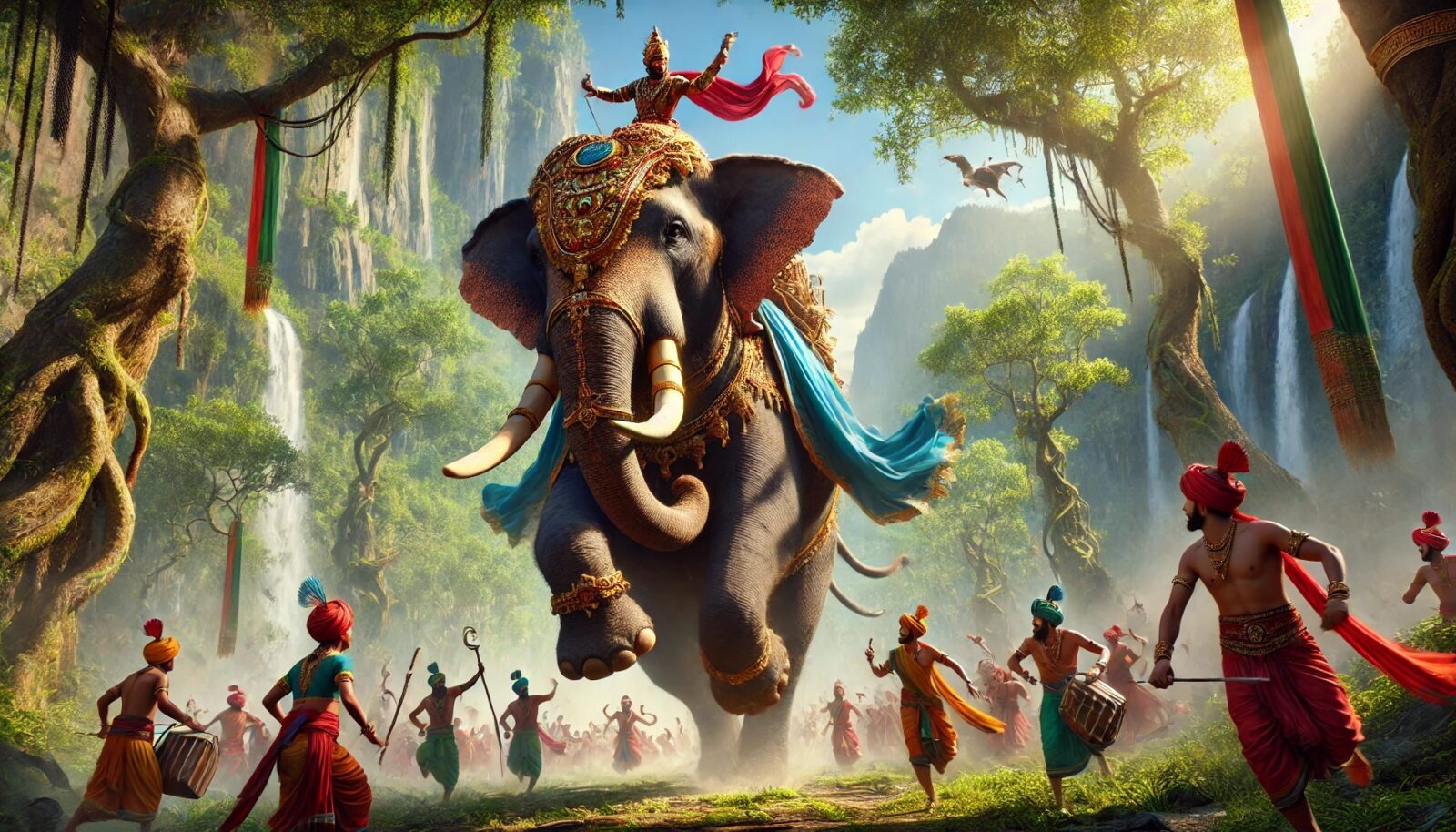
《大庄严论经》中马鸣菩萨提到,过去我曾经听闻,世尊行菩萨道时,有一世在无佛时代,既无贤人,也没有任何圣人出世。当时有一位国王名叫「光明」,乘坐着经调象师调伏的大象外出游观,在众多随从前后护卫的引导,及歌乐倡妓的舞乐环绕下,来到山中一处崄难之处。此时,光明王所乘坐的大象,远远看见一头母象,顿时欲心炽盛,大声哮吼、狂放乱奔、如风吹云,完全不顾任何险阻,一心只想火速奔赴母象所在之处,以致险象环生。
随行在旁的调象师,立即使尽各种锐钩、刀斧砍向大象,都无法令大象停止狂奔的脚步。光明王非常惊怖,命令侍从用尽利钩、刀斧都不能禁止大象疯狂奔走,正如恶弟子不顺从师父一般。
大象急速地狂奔,光明王饱受惊恐,心生苦恼,以为必死无疑,随即说了一偈:
「如见虚空动,迅速挩诸方,皆悉而来聚,普见如轮动,
大地皆回转。其象走遂疾,譬如山急行,诸山如随之,
岩谷㵎中河。诸树伤身体,王怖极苦恼,发愿求山神,
使我得安全。钩伤身体,欲盛不觉苦,象走转更疾,
喻如于暴风。棘刺钩身,并被山石伤,头发皆蓬乱,
尘土极坌污,衣服复散解,璎珞及环玔,破落悉堕地。」
此时,大王向身旁的调象师说道:「现在我的性命恐怕不保了。」又说一偈:
「汝好勤方便,禁制令使住,我今如在秤,低昂堕死处。」
这时,调象师用尽全身力气,以钩拉、斧砍都无法制伏大象疯狂乱奔。因为知道自己无法调伏狂象,只能不停地叹息,露出惭愧羞耻的表情,泪水盈眶地将面孔避开,不敢和光明王相视,说道:「大王!现在我应该怎么办呢?」接着,说偈道:
「尽力诵象呪,古仙之所说,钩势力尽,都不可禁制。
如人欲死时,呪术及妙药,越度必至死,良药所不救。」
此时,骑乘在狂象背上的光明王问:「我们现在落得此等地步,应该如何是好?」调象师向光明王禀告:「大王!眼前没有其他方法,唯有攀住树木了!」光明王一听,立即用手攀住附近的树木,悬于树上,大象立即往前狂奔,追逐母象而去。待大象离去之后,前后引导与随从们才陆续抵达光明王所在处,光明王便慢慢地走回军队。
事后,调象师沿着大象的足迹追逐,经过多日,终于找到大象,把牠带回军中,来到光明王面前。光明王瞋怒地说道:「你先前说这头象已经驯服可以骑乘,为何用此狂象来欺骗我?」调象师合掌禀白大王:「这头象真的已经调伏、驯顺。大王,您若不相信,我现在就可以证明这头象确实被驯服的样子,让大王明白。」调象师一边说一边拿着烧烫的热铁丸,放在大象前面,命令大象将热铁丸吞下。
但是,光明王不想听调象师的解释,说道:「你说这头象已经调顺,那为什么还会狂放乱奔?」调象师长跪合掌回答:「大象此种疯狂乱奔,不是臣下所能调教。」光明王问:「究竟是什么样的过患,不是你所能调顺的?」调象师向国王禀白:「象有贪欲的心病,不是我所能调治。大王!这种心病即使用鞭杖捶打,或是以利钩、刀斧都没办法制伏,贪欲害心也是如此。」随即说了偈子:「欲为心毒箭,不知从何生?因何得增广?云何可得灭?」
光明王听闻贪欲不可治疗,又问:「这种贪欲病真的无法可治吗?」调象师回答:「这种贪欲之病,众生一旦染上,只能舍弃,无法可治。」言毕,即说一偈:
「当作诸方便,勤求断欲法,不知其至趣,怀精勤退还。
弃舍五所欲,出家修苦行,为断欲结故,应精勤修道。
或有恣五欲,言道足自断,若干种作行,望得远离欲。
如是等处处,望拔欲根本,欲林难可拔。人天阿修罗,
夜叉鸠盘茶,一切有生类,微细心欲羂,系缚诸众生,
回转有林中,无由能自拔。」
光明王听闻贪欲无法断除,心中更加疑惑,随即以偈问道:「无有能断灭,如此欲怨者,乃无有一人,能灭贪欲耶?人天中乃无,能灭此欲乎?」
调象师回答:「我辗转从他处听闻,唯有佛世尊,是世间人天的导师,具有大慈愍心,视一切众生悉皆如己子。世尊丈六金身,拥有庄严的三十二相好,具自然智,能知贪欲的生起及灭贪欲的因缘,以圆融无碍之心,悲愍一切众生。」
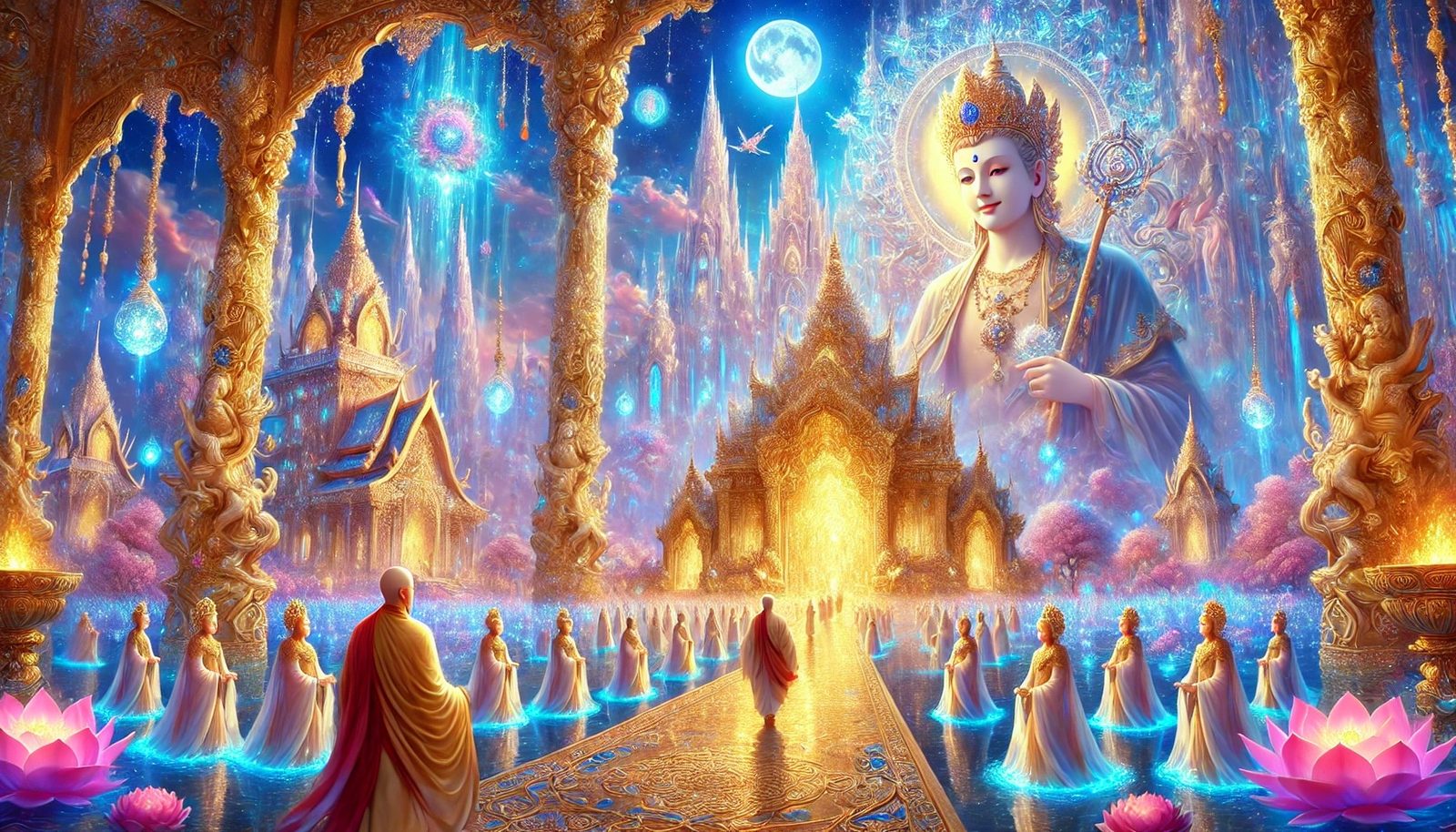
善根深厚的光明王,听闻诸佛大人有如此功德力,立即起身合掌,如尚未开敷的莲华,在大众前发大誓愿:「我将以正法统治、保护国土,并竭力行一切财布施。以此功德,愿我未来必定成佛,断除众生贪欲之患。」
因为什么因缘而说此事?是因众生不知贪欲之害,以及对治之法,因此说此修多罗经。
Date: 12/26/2026 12/27/2026
Location: Star Ocean Meditation Center
Teacher: Jason
Dharma Talk
The Buddha’s Vow to Eliminate the Greed of Beings
Among the excesses and recklessness of the world, none surpasses greed and desire; therefore, one should diligently cut off the affliction of craving.
In the Mahāratnakūṭa teachings, Bodhisattva Aśvaghoṣa mentioned that in the past he had heard that when the World-Honored One was practicing the Bodhisattva path, there was a lifetime in an age without a Buddha, without sages or holy beings. At that time, there was a king named “Guangming” who rode a well-trained elephant and went out for inspection. Surrounded by attendants, music, and dancers, he entered a dangerous mountainous region. At that moment, the elephant saw a female elephant in the distance and was suddenly overwhelmed by desire. It roared loudly and ran wildly, like wind driving clouds, disregarding all danger, intent only on reaching the female, creating perilous conditions.
The elephant trainer accompanying him used sharp hooks and axes to strike the elephant, but could not stop its frantic running. The king was terrified, and even with all efforts, the elephant could not be restrained, just like a wicked disciple who refuses to obey his teacher.
As the elephant ran swiftly, the king, filled with fear and distress, believed he would surely die, and recited:
“As if the sky were shaking,
Rushing in all directions,
All things gather and spin like a wheel,
The earth itself seems to turn.
The elephant runs like a moving mountain,
Mountains seem to follow it.
Rocks and trees strike my body,
Fear and suffering overwhelm me.
Pierced by hooks, yet desire blinds it to pain,
It runs even faster, like a violent wind.
Thorns and stones wound my body,
My hair is disheveled,
Dust covers me,
Garments torn, ornaments scattered.”
The king said to the trainer, “My life is in danger,” and recited:
“Use all skillful means,
Restrain and make it stop—
I am like one on a scale,
Tilting toward death.”
The trainer exerted all his strength but could not subdue the elephant. Ashamed and helpless, he sighed and said:
“I have recited all the mantras of old sages,
Used all force of hook and goad,
Yet cannot restrain it.
Like one about to die,
No spell or medicine can save him.”
The king asked what to do. The trainer replied that there was no way except to grasp a tree. The king clung to a branch and was left hanging as the elephant ran off. Afterward, he returned to his army.
Later, the trainer retrieved the elephant and brought it back. The king angrily questioned him. The trainer demonstrated the elephant’s training but explained that its madness arose from desire, which could not be subdued by force. He said:
“Desire is a poisoned arrow in the mind—
Whence does it arise?
How does it grow?
How may it be extinguished?”
He further explained that once beings are afflicted by desire, it cannot be cured, only abandoned, and recited:
“One must seek all skillful means
To sever desire.
Even those who strive diligently
Often fall back.
Abandoning the five desires,
Leaving home to practice austerities,
One must diligently cultivate the path.
Yet desire’s forest is hard to uproot;
All beings—humans, gods, asuras—
Are bound by subtle cravings,
Unable to free themselves.”
The king, still doubtful, asked whether anyone could eliminate desire.
The trainer replied that only the Buddha, the teacher of gods and humans, possesses the wisdom and compassion to know both the arising and cessation of desire.
Hearing this, King Guangming, endowed with deep roots of goodness, stood with palms joined and made a great vow before the assembly: “I shall rule with the true Dharma, protect my land, and practice generosity. By this merit, may I in the future become a Buddha and eliminate the suffering of greed in all beings.”
Why is this taught? Because beings do not understand the harm of desire nor the method to counteract it; therefore, this sūtra is spoken.