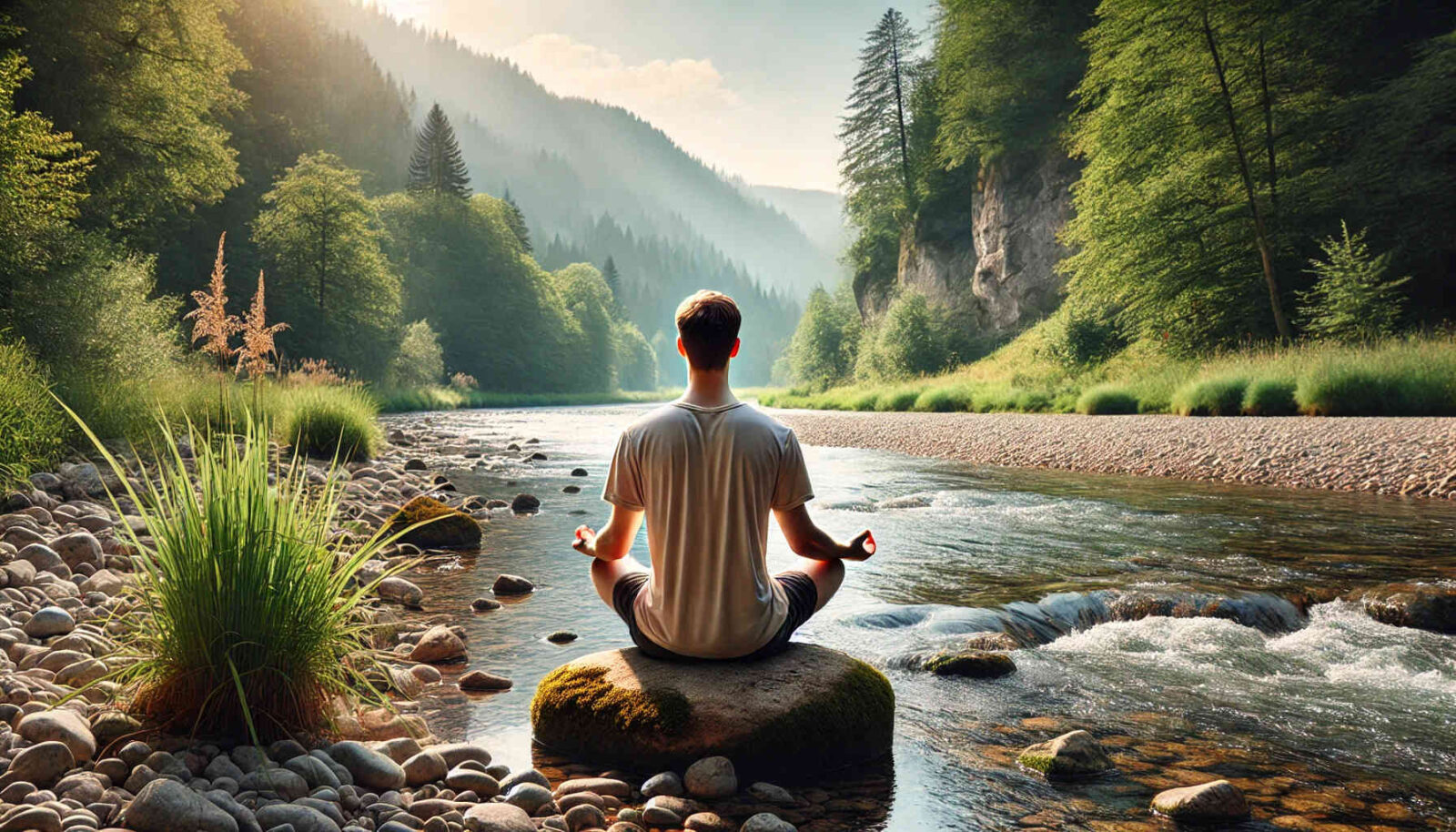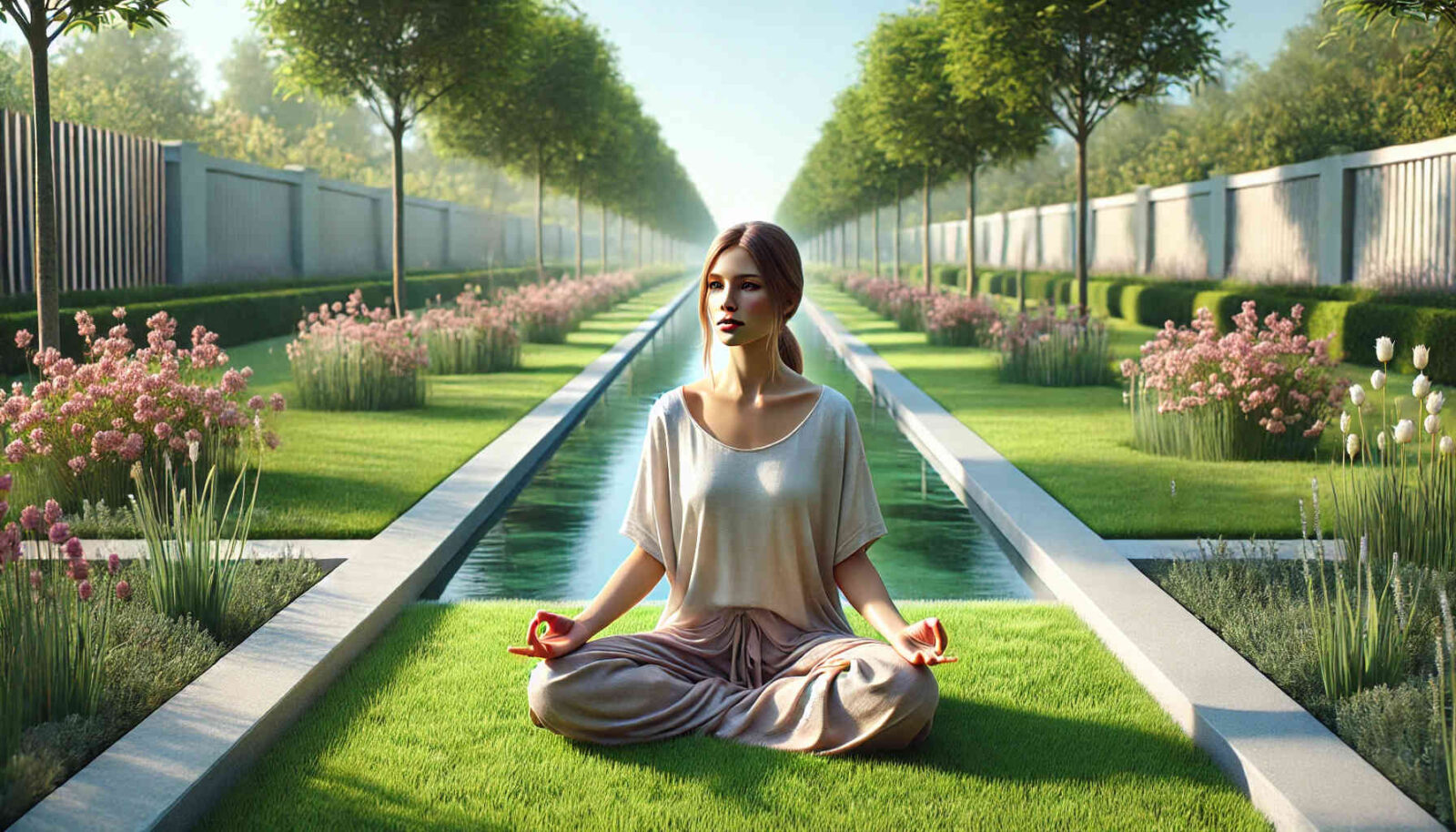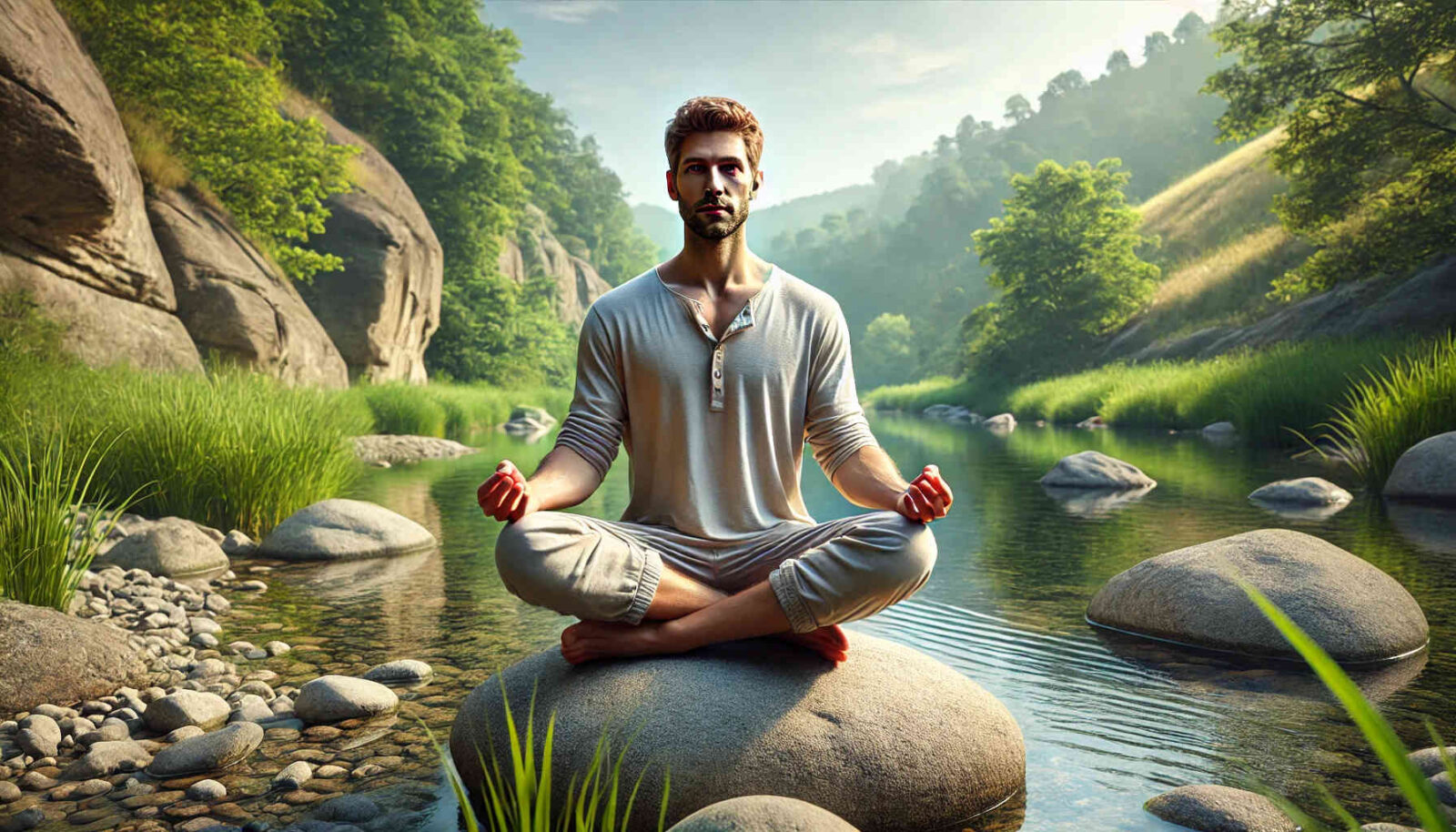
时间:09/19/2026 09/20/2026
地点:星海禅修中心
主讲:净真
打坐参禅
觉察潜藏于内心的不安
在禅修中,内心的不安往往并不总是以明显的烦躁、恐惧或焦虑呈现出来。很多时候,它潜藏在身体的紧绷里、呼吸的不自然里、念头的反复活动里,也潜藏在对未来的牵挂、对结果的执着、对当下的不愿停留之中。所谓觉察潜藏于内心的不安,并不是要压制它、分析它或立即消除它,而是如实看见它如何在身心中运作。只有当不安被清楚地觉知,它才不再只是暗中推动行为的力量,而成为可以被观照、理解与放下的对象。
一、理解内心的不安:它常常隐藏而不显露
1.不安不一定表现为强烈情绪
内心的不安有时并不是明显的痛苦,而是一种轻微却持续的紧张、戒备、空虚、急迫或不能安住。
2.不安会伪装成日常习惯
不断想事情、频繁计划、反复比较、急于下结论,表面上像是正常思维,实则可能源于内在的不安。
3.不安常与执取同时存在
越想抓住安全感、确定感与控制感,越容易显露出心底尚未平息的不安。
二、不安如何在禅修中被看见?
1.身体先显露内在状态
肩颈僵硬、胸口发紧、腹部收缩、面部微微用力,这些身体现象往往先于情绪语言出现,是不安最直接的表现。
2.呼吸反映心的波动
呼吸急促、浅短、断续、不连贯,常提示心中仍有隐伏的不安与抗拒。
3.念头的频繁生起显示无法安住
当心不停转向回忆、设想、判断与担忧,说明它尚未真正停留在当下,而是在寻找某种逃离或补偿。
4.对禅修结果的期待也会暴露不安
想要赶快安静、赶快进入状态、赶快得到清明,这种急切本身,常常就是不安的另一种形式。
三、为何要觉察潜藏的不安?
1.不被觉察的不安会持续主导行为
若不安始终处于暗处,它会推动选择、影响判断、加强执著,却不容易被本人发现。
2.觉察使隐藏的力量显形
一旦不安被清楚看见,它就从无意识的推动力,转为可被观察的现象,心便有了松动的空间。
3.如实看见比急于消除更重要
修行并不是立刻把不安变成平静,而是先建立一种能够容纳不安、照见不安的觉知。
4.觉察使修行回到真实基础
若只追求表面的平静,而不面对内在的不安,禅修就容易停留在压抑与掩盖之中,缺乏真实转化。
四、如何实际观照内心的不安?
1.先观察身体中的不安痕迹
不必急着寻找抽象原因,可先如实觉察身体哪里在收紧、哪里在悬着、哪里不愿放松。
2.再观察呼吸中的不自然
看看呼吸是否被控制、催促、压抑或拖延,借由呼吸的状态,认识内心的微细不安。
3.留意念头背后的推动力
不要只看念头内容,更要看它为什么不断生起。很多想法不是因为必要,而是因为不安在驱动。
4.允许不安存在而不立即处理
不急着解释、不急着改善、不急着摆脱,只是稳定地知道:此刻心中有不安,这就是观照的开始。
五、觉察不安后会出现什么变化?
1.不安从模糊变得清楚
原本只觉得烦或累,进一步观照后,能更准确地知道其中有紧张、害怕、抗拒或匮乏。
2.不安的力量会逐渐减弱
当它被稳定觉知,而非被压抑或追随,不安本身会失去部分推动力,不再完全控制心。
3.心开始学会承受而不逃避
能够与不安共处,而不立刻反应、排斥或寻找替代品,是内心成熟的重要表现。
4.平静将不再只是表面状态
当潜藏的不安被看见并逐渐松开,出现的安定才不是压出来的,而是较真实、较深层的宁静。
六、避免对不安的错误处理
1.不要把不安视为失败
发现自己不安,不代表修行退步,恰恰说明觉察开始触及真实内心。
2.不要急于分析原因
有时过早分析,会让心重新回到概念活动之中,反而错过直接观察不安的机会。
3.不要用意志强压情绪
表面压住不安,只会让它转入更隐蔽的层面,继续在身心中发挥作用。
4.不要追求立刻平静
越急于让自己安静,越说明心中仍抗拒当前状态。真正的平静来自不逃避,而不是强制改变。
总结
觉察潜藏于内心的不安,是打坐参禅中极为重要的一步。它使修行不只停留在表面的安静,而深入到那些平常不愿面对、却一直影响身心的隐微活动。真正的观照,不是赶走不安,而是清楚地看见它、容纳它、理解它,使它不再暗中支配自己。当不安被如实觉知,心才可能从逃避走向稳定,从紧抓走向松开,从表面的平静走向真实的安定。
Date: 09/19/2026 09/20/2026
Location: Star Ocean Meditation Center
Teacher: Sara
Sitting Meditation
Recognizing the Hidden Unease Within the Mind
In meditation, inner unease does not always appear as obvious agitation, fear, or anxiety. Very often it hides within bodily tension, unnatural breathing, repetitive thought, concern for the future, attachment to outcomes, and resistance to remaining with the present. To recognize the hidden unease within the mind is not to suppress it, analyze it, or eliminate it immediately, but to see clearly how it functions in body and mind. Once unease is directly known, it no longer remains an unseen force driving behavior from the background. It becomes something that can be observed, understood, and gradually released.
1. Understanding Inner Unease: It Often Remains Hidden
1.Unease does not always appear as intense emotion
Sometimes inner unease is not dramatic suffering, but a mild yet continuous tension, vigilance, emptiness, urgency, or inability to settle.
2.Unease can disguise itself as ordinary habit
Constant thinking, repeated planning, frequent comparison, and quick conclusions may seem normal, yet often arise from underlying unease.
3.Unease often coexists with attachment
The more the mind tries to secure safety, certainty, and control, the more it reveals that unease has not yet been resolved.
2. How Is Unease Revealed in Meditation?
1.The body reveals the inner state first
Tight shoulders, pressure in the chest, a contracted abdomen, or subtle strain in the face often appear before emotions are named. These are direct expressions of unease.
2.Breath reflects fluctuations of mind
Breathing that is shallow, hurried, broken, or uneven often indicates hidden unease and resistance still active within.
3.Repeated thought shows the inability to remain present
When the mind constantly moves toward memory, projection, judgment, and worry, it shows that it has not yet truly settled in the present.
4.Expectation toward meditation results also exposes unease
Wanting to become calm quickly, enter the right state quickly, or gain clarity quickly is itself often another form of unease.
3. Why Recognize Hidden Unease?
1.Unease that is not recognized continues to govern behavior
If unease remains in the dark, it will keep shaping choices, influencing judgments, and strengthening attachment without being clearly noticed.
2.Recognition makes the hidden force visible
Once unease is clearly seen, it shifts from an unconscious driving force into an observable phenomenon. This creates room for the mind to loosen.
3.Seeing clearly matters more than removing it quickly
Practice is not about instantly turning unease into calm, but about developing the awareness that can contain and illuminate unease.
4.Recognition returns practice to a truthful foundation
If one seeks only surface calm without facing inner unease, meditation can become suppression and concealment rather than real transformation.
4. How to Observe Inner Unease in Practice
1.Begin with bodily traces of unease
There is no need to search for abstract causes first. Simply notice where the body is tightening, bracing, or unwilling to soften.
2.Then observe what is unnatural in the breath
See whether the breath is being controlled, hurried, restrained, or delayed. Through the breath, the subtler unease of the mind becomes clearer.
3.Notice the force behind thought
Do not observe only the content of thought. Observe why it keeps arising. Many thoughts are not necessary; they are driven by unease.
4.Allow unease to exist without immediately fixing it
Do not rush to explain, improve, or remove it. Simply know steadily: unease is present now. This is the beginning of observation.
5. What Changes After Unease Is Recognized?
1.Unease becomes clearer instead of remaining vague
At first one may only feel vaguely irritated or tired. With observation, it becomes clearer that tension, fear, resistance, or lack are present.
2.The force of unease gradually weakens
When unease is steadily known rather than suppressed or followed, it loses some of its driving power and no longer controls the mind so completely.
3.The mind learns to endure without escaping
To remain with unease without instantly reacting, rejecting, or replacing it is an important sign of inner maturity.
4.Calm no longer remains a surface condition
When hidden unease is seen and gradually released, the calm that emerges is not manufactured. It becomes more genuine and more deeply rooted.
6. Avoiding Incorrect Responses to Unease
1.Do not treat unease as failure
To discover unease does not mean practice has regressed. It means awareness is beginning to touch what is real.
2.Do not rush into analysis
Premature analysis can pull the mind back into conceptual activity and cause one to miss the chance to observe unease directly.
3.Do not suppress emotion by force of will
If unease is pressed down on the surface, it often moves into subtler layers and continues to operate in hidden ways.
4.Do not demand immediate calm
The more urgently one wants to become calm, the more the mind reveals its resistance to the present state. True calm comes from not fleeing, not from forced change.
Conclusion
Recognizing the hidden unease within the mind is a crucial part of sitting meditation. It allows practice to go beyond surface quietness and enter the subtle inner movements that usually remain unseen yet continually shape body and mind. True observation does not drive unease away. It sees it clearly, allows it, understands it, and removes its hidden power. When unease is known as it is, the mind can move from avoidance to stability, from grasping to release, and from superficial calm to genuine peace.