时间:10/31/2026 11/01/2026
地点:星海禅修中心
主讲:净诚
佛法修行
二王造佛金木像因缘
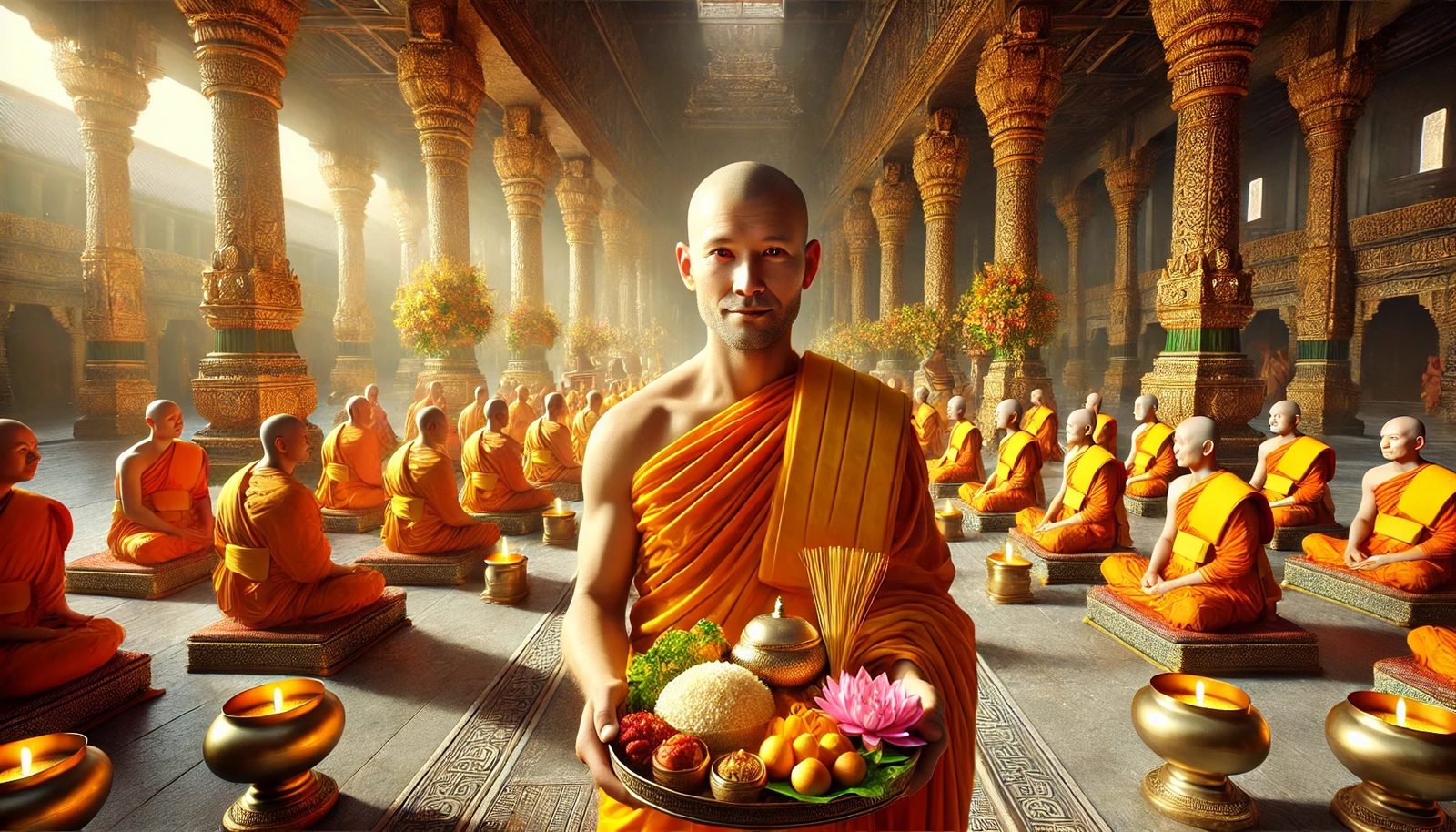
释迦牟尼佛出家成道后第八年,渴思报答母亲摩耶夫人生育之恩,以神通力从祇洹精舍到忉利天,于善法堂的金石上结跏趺坐。当时,摩耶夫人自然流出两道乳汁,润泽世尊口唇,以示亲子之缘,佛即为摩耶夫人演畅微妙法义。
此时,人间的四众弟子不见如来,孺慕情深,十分忧愁,彷佛失去父母,如箭穿心般地伤痛。他们一同来到世尊住处,望着园林庭宇,却处处看不到佛的身影,倍加悲伤哀恋,无法自抑。他们请问佛陀侍者阿难尊者:「究竟现在世尊在什么地方?」阿难尊者回答:「我也不知道。」而优填王与波斯匿王两位国王,因渴望亲睹如来尊颜,思念殷切,饱受忧苦。
于是,优填王下令召集全国技艺超群的雕刻巧匠,告诉他们:「我现在想要雕造佛像。」巧匠们禀报优填王:「大王,我们无法刻出佛的相好庄严,即使是毘首羯摩天王来雕刻佛像,也无法刻出神似于如来的雕像。我们若接受王命,仅能模拟雕刻出如螺髻玉毫般的少分相好,至于佛陀的其他诸多相好及光明威德,却难以呈现出来。谁能雕刻出佛的相好庄严、威德光明呢?当世尊回来相会之时,所造的如来形像,假如有所误差,我们的名誉都将受损,因此,没有人敢答应雕造佛像。」
巧匠们又禀白优填王:「如今雕造佛像,应当使用纯紫栴檀香木,此木纹理、材质坚硬紧密。但是佛的形像,究竟应该是坐像,或是站立像?高下尺寸又该是多少?」优填王以巧匠们的话询问百官大臣,一名有智之臣禀白大王:「应当雕造佛陀坐像。因为一切诸佛证大菩提、转正法轮、现大神变、作大佛事时,都是坐着的。所以应该雕造佛陀坐师子座、结跏趺坐之像。」
当时,毘首羯摩天王知道了这件事,就化身为巧匠,手持各种雕刻工具,来到城门口,高声说道:「我想为大王雕刻佛像。」优填王听了内心大喜,与主藏大臣在内宫中挑选上好的紫栴檀香木,并且亲自扛着香木交给天匠。优填王告诉天匠:「请仁者为我雕造佛像,务必与如来形像相似」。
此时,目犍连尊者请佛神力,与天匠同往忉利天,将佛陀的相好摹画成图,随即返回人间,依图操斧破木,其声响彻忉利天,上传至佛说法处。佛以神力将此破木造像之声遍传,音声所及之处,使听闻到的众生,罪垢悉皆消除:盲者重见光明;聋者得以听闻;瘖哑之人,能开口言说;丑陋之人,容貌转为端正;贫者获福,乃至于三涂恶道的众生,皆离苦得乐,一切未曾有过的大利益,皆悉现前。
当时,天匠以不到一天的时间,就将佛像雕造完成,像高七尺,也有人说是五尺,随每个人的根机所见不同;佛像的面容、手足皆是紫金光色。优填王看到天匠所刻的佛像相好端严,心生净信,得柔顺忍,烦恼、业障俱时顿消。
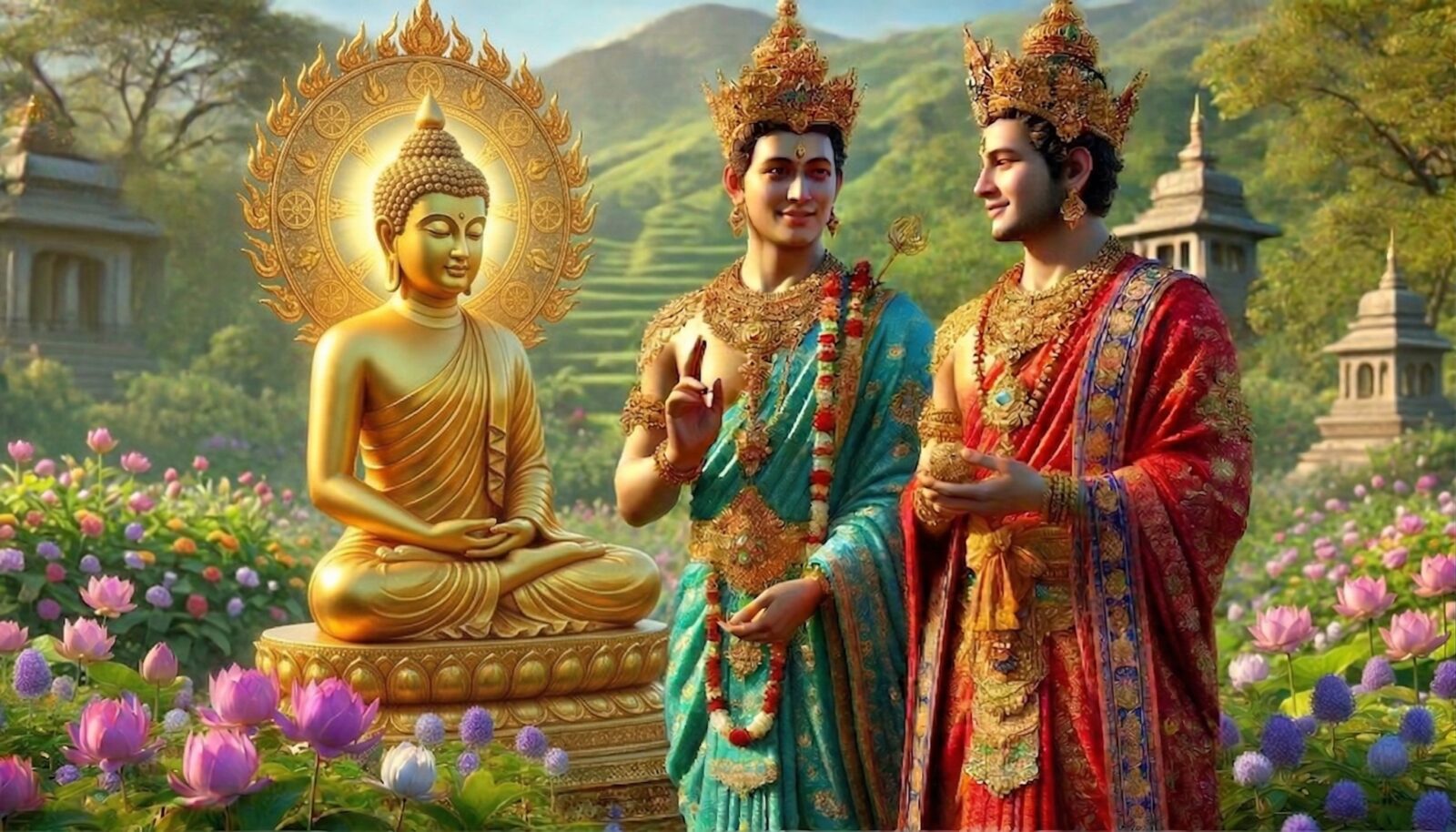
而波斯匿王也召集了国内巧匠打算雕造佛像,并且心想,如来丈六金身,莫过于以纯金呈现。于是,波斯匿王即纯以紫磨金造如来像,高五尺。这二尊如来圣像,是阎浮提中最初有佛陀造像之始。
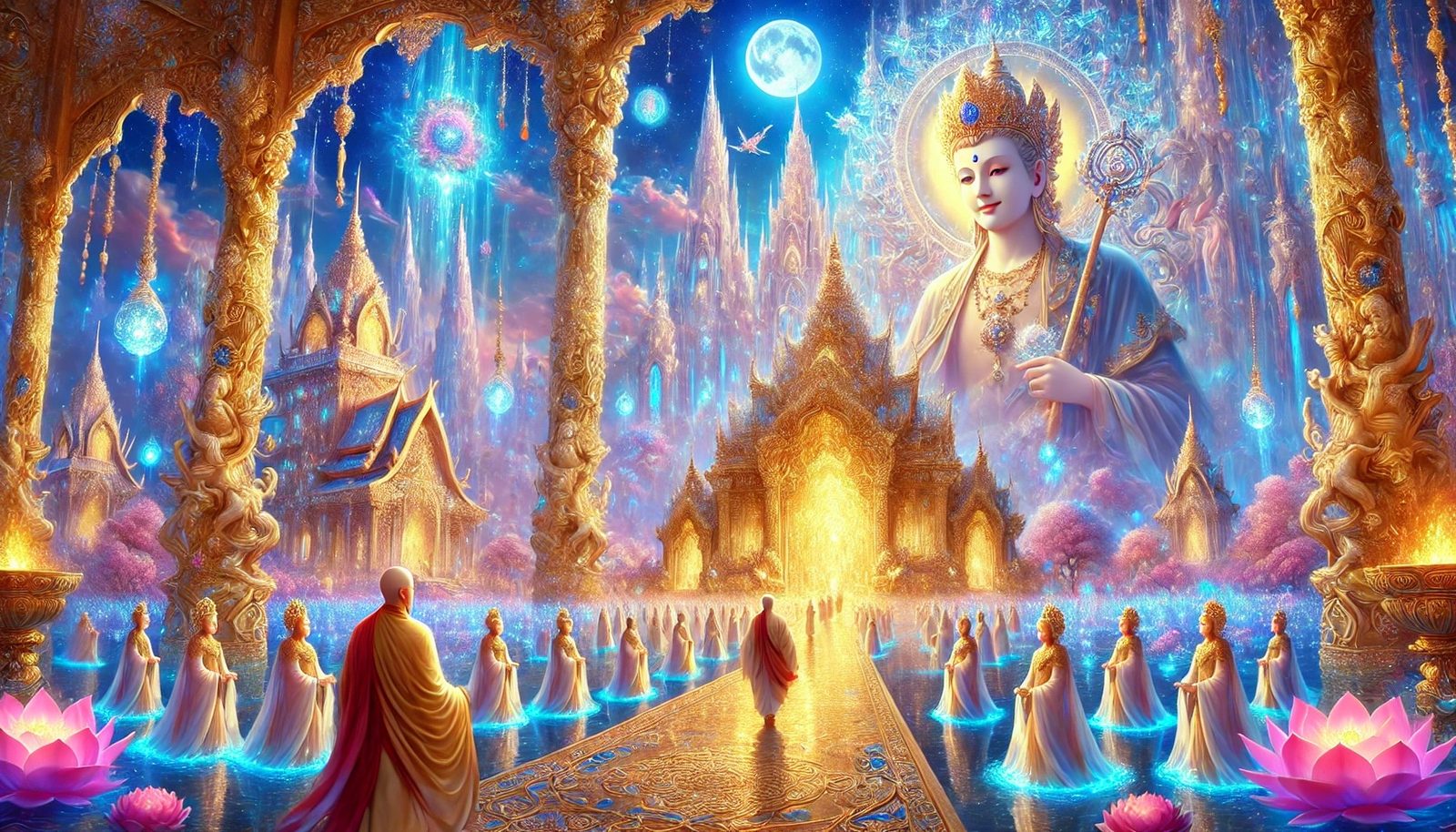
世尊在忉利天说法,于夏安居三个月圆满之际,告诉四众弟子:七日之后,即刻返回阎浮提僧伽尸国大水池旁。忉利天王告诉自在天王:应从须弥山顶到大水池旁,以金、银、水晶做三道径路,或由人间地上造起,或从净居天造至人间。当世尊足踏黄金宝道返回人间时,五位天竺国王──迦尸国波斯匿王、拔嗟国优填王、五都人民之主的恶生王、南海主优陀延王,及摩诃陀国瓶沙王,都前来恭迎,虔诚头面顶礼佛足。
优填王恭敬地顶戴佛像,以及种种上好珍宝来到佛陀面前,一一供养佛陀。此时,栴檀木像竟起身从座而起,犹如生出佛足,步于虚空;足下雨降天花,放大光明恭迎世尊,合掌叉手向佛作礼,此栴檀木像稍似于佛,开口说偈:
「佛在忉利天,为母说法时,大工造像声,远闻善法堂,三十三天众,同音皆随喜,未来世造像,获无量胜福。」
此时,世尊向栴檀木像长跪合掌,虚空中的百千亿化佛,也都一一恭敬合掌。栴檀木像弯身低头,世尊亲自为木雕佛像摩顶授记:「我入灭一千多年之后,你当于此土为人间、天上作大饶益,我将后世诸弟子付嘱予你。若有众生于佛涅盘后,发心造佛像,并以幢幡、宝华与种种妙香供养,此人来世必得见佛,出离生死苦海」。
优填王禀白世尊:「上一尊佛度化圆满入灭后,造佛像之人,还有在世间轮回的吗?」佛陀回答:「我以佛眼普见十方,前佛灭度后,造佛像之人都投生于十方佛前,没有一人仍在生死轮回。但是造菩萨像还留在人世者,正是今日的瓶沙王。」
此时,栴檀木像启禀佛陀:「请世尊移驾向前,进入精舍。」世尊向木像说:「止!止!不须再说。我度化众生的因缘将尽,不久即将入灭,你将在世间长久利益众生。我走在前面却先入灭,若你走在我后方,世人将会心生轻慢。」木像与佛陀再三往复礼让后,由栴檀木像先行进入精舍,还至本位,世尊则自行移往祇洹精舍旁的小精舍内,与木像相距二十步之处。优填王为此喜不自胜,欢欣不已。
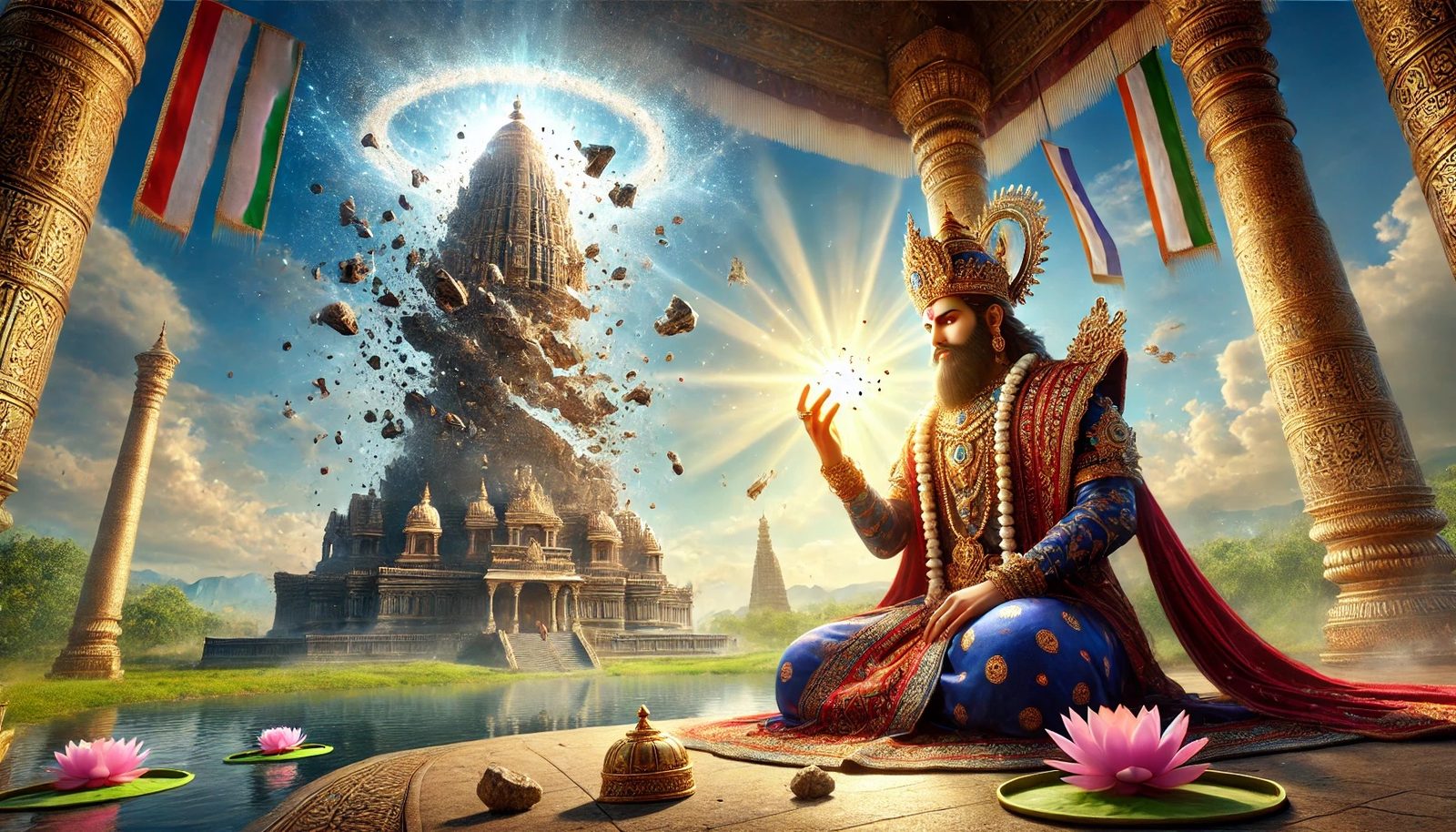
五位天竺国王请示世尊:「日后,应当如何造立佛寺?」世尊伸出右手,随即从地中涌出迦叶佛寺,以此做为后世造寺的法度与典范。五位国王便于当地建大佛寺,安置佛像后一一离去。
Date: 10/31/2026 11/01/2026
Location: Star Ocean Meditation Center
Teacher: Jason
Dharma Talk
The Causes and Conditions of Two Kings Creating Golden and Wooden Buddha Images
In the eighth year after Śākyamuni Buddha left home and attained enlightenment, he longed to repay the kindness of his mother, Queen Māyā, who gave him birth. By means of supernatural power, he ascended from Jetavana Monastery to the Trāyastriṃśa Heaven and sat in full lotus upon a golden stone in the Hall of Good Dharma. At that time, Queen Māyā naturally emitted two streams of milk, moistening the lips of the World-Honored One, manifesting the bond between mother and child. The Buddha then expounded profound and subtle Dharma to her.
Meanwhile, the fourfold assembly in the human world could not see the Tathāgata. Their longing was deep, and they were filled with sorrow, as if they had lost their parents, pierced by grief like arrows to the heart. They came together to the Buddha’s dwelling, but everywhere they looked, they could not find him. Their grief intensified beyond control. They asked Venerable Ānanda, “Where is the World-Honored One now?” Ānanda replied, “I do not know.” King Udayana and King Prasenajit, yearning to behold the Buddha, suffered deeply in their longing.
King Udayana then summoned the most skilled artisans in the land and said, “I wish to carve an image of the Buddha.” The artisans replied, “Great King, we cannot carve the Buddha’s marks of excellence and majesty. Even if Viśvakarma himself were to carve, he could not produce a likeness truly resembling the Tathāgata. At most, we could imitate a few features, such as the spiral hair or the urna, but the full radiance and majestic qualities cannot be expressed. If there is any discrepancy when the Buddha returns, our reputations will be ruined. Therefore, none dare accept this task.”
They further asked, “If we are to carve the image, we should use pure sandalwood of the finest quality. But should the Buddha be depicted seated or standing? What should be the dimensions?” The king consulted his ministers, and a wise minister said, “A seated image should be made, for all Buddhas attain enlightenment, turn the Dharma wheel, and perform great deeds while seated. Thus, the Buddha should be depicted seated upon a lion throne in full lotus posture.”
At that time, Viśvakarma, the king of artisans, learned of this and transformed himself into a craftsman. Holding various tools, he came to the city gate and declared, “I will carve a Buddha image for the king.” King Udayana was overjoyed and selected the finest sandalwood from the treasury, personally delivering it to the divine craftsman, saying, “Please carve the Buddha image for me, ensuring it closely resembles the Tathāgata.”
Then Venerable Maudgalyāyana, invoking the Buddha’s power, went together with the craftsman to the Trāyastriṃśa Heaven and sketched the Buddha’s marks. Returning to the human realm, they carved the wood according to the drawing. The sound of carving resounded up to the heaven where the Buddha was teaching. By his power, the Buddha caused this sound to spread everywhere, and all beings who heard it were purified: the blind regained sight, the deaf could hear, the mute could speak, the ugly became beautiful, the poor gained blessings, and even beings in the lower realms were freed from suffering.
In less than a day, the divine craftsman completed the statue. It was seven feet high, though some saw it as five feet, depending on their capacities. The face and limbs shone with a golden-purple radiance. Seeing the statue, King Udayana developed pure faith, attained forbearance, and his afflictions and karmic obstacles were immediately eradicated.
King Prasenajit also commissioned artisans, thinking that the Buddha’s golden body should best be represented in pure gold. Thus, he created a five-foot statue entirely of refined gold. These two statues were the first Buddha images ever made in Jambudvīpa.
After completing the three-month rains retreat in the Trāyastriṃśa Heaven, the Buddha announced that he would return to the human world in seven days. A triple jeweled staircase of gold, silver, and crystal was constructed from Mount Sumeru. When the Buddha descended, five kings came to receive him and paid homage with utmost reverence.
King Udayana brought the sandalwood image and many precious offerings to present to the Buddha. At that moment, the wooden image rose from its seat, walked through the air, scattered celestial flowers, and radiated great light, greeting the Buddha. It joined its palms and spoke a verse:
“When the Buddha was in the Trāyastriṃśa Heaven teaching his mother, the sound of carving resounded to the Hall of Good Dharma. The devas rejoiced together; in future times, those who make images will gain immeasurable merit.”
The Buddha then knelt before the image, and countless manifested Buddhas in space also joined their palms in reverence. The wooden image bowed, and the Buddha conferred a prediction upon it, saying, “After my nirvāṇa, you will greatly benefit beings in this world. Those who make images and offer banners, flowers, and incense will surely see the Buddha in future lives and be liberated from suffering.”
King Udayana asked, “After the previous Buddha’s passing, do those who made images still remain in saṃsāra?” The Buddha replied, “Those who made Buddha images have all been reborn before Buddhas in the ten directions. Only those who made bodhisattva images remain, such as King Bimbisāra today.”
Later, the wooden image requested the Buddha to enter the monastery. The Buddha declined, saying that his time to liberate beings was ending, while the image would remain to benefit the world. After mutual deference, the image entered first, and the Buddha stayed nearby. The king rejoiced greatly.
The five kings then asked how to establish monasteries in the future. The Buddha extended his hand, and a temple of Kāśyapa Buddha emerged from the earth, establishing the model. The kings then built great monasteries and enshrined the images before departing.