时间:10/24/2026 10/25/2026
地点:星海禅修中心
主讲:净真
斋食养生
四季养生的斋食节律
简介
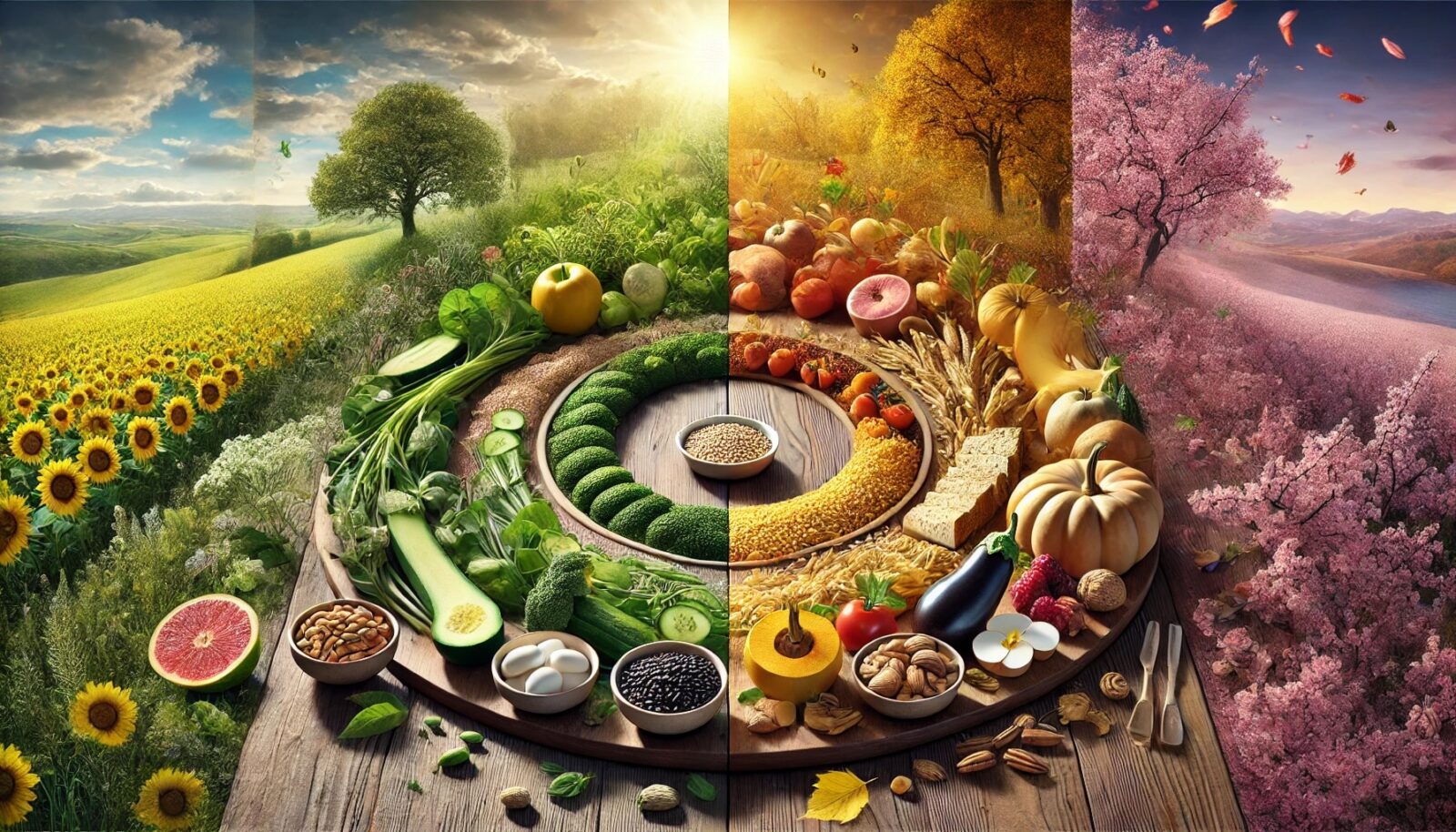
四季养生的斋食节律,是顺应自然变化而建立的一种饮食与生活方式。在佛教饮食传统中,顺时而食被广泛推崇,强调人与自然的和谐统一。通过依循春生、夏长、秋收、冬藏的节律,斋食不仅滋养身体,也安定心神,使养生更具整体性与持续性。
现代营养学亦指出,不同季节人体代谢与生理需求存在差异。合理调整饮食结构,有助于优化营养吸收、增强免疫力,并降低疾病风险。因此,将斋食养生与四季变化相结合,成为一种科学而优雅的健康实践路径。
本文将从四季饮食原则、营养调整与健康益处三个方面,阐述四季斋食养生的核心逻辑。
一、四季斋食的基本原则
1.顺应时令:根据季节变化选择当季食材,使饮食与自然节律保持一致。
2.调和阴阳:依据气候寒热变化,平衡食物属性,以维持体内稳定。
3.清淡为主:减少油腻与刺激性食物,使身体保持轻盈与清净状态。
4.节制饮食:避免过饱或过饥,维持稳定的消化与吸收能力。
5.身心统一:以平和心境进食,使饮食成为滋养身心的过程。
二、四季斋食的营养调节
1.春季养生:多食绿叶蔬菜与新鲜芽类,补充维生素,促进新陈代谢。
2.夏季养生:以清凉食物为主,如瓜果与豆类,帮助清热解暑与补充水分。
3.秋季养生:增加滋润性食材,如根茎类与坚果,缓解干燥,滋养肺部。
4.冬季养生:选择温热食物,如全谷物与豆类,增强能量储备与御寒能力。
5.均衡营养:四季变化中保持蛋白质、膳食纤维与微量元素的合理摄入。
三、四季斋食的健康益处
1.提升整体养生效果:顺应季节调整饮食,有助于维持身体平衡。
2.增强免疫调节能力:不同季节的营养补充支持免疫系统稳定运行。
3.改善消化功能:符合节律的饮食有助于肠胃适应与吸收。
4.降低慢性疾病风险:合理饮食结构减少炎症与代谢负担。
5.滋养身心平衡:与自然同步的生活方式带来内在宁静与稳定。
四、实践建议
1.选择当季食材:优先食用本地、当季的新鲜蔬果与谷物。
2.调整烹调方式:根据季节变化选择不同烹饪方法,如夏季清蒸、冬季炖煮。
3.保持饮食节律:建立规律的进食时间,与自然作息相协调。
4.观察身体反应:根据个人体质与季节变化适度调整饮食结构。
5.长期坚持:持续实践四季斋食节律,使养生效果逐渐显现。
Date: 10/24/2026 10/25/2026
Location: Star Ocean Meditation Center
Teacher: Sara
Buddhist Diet and Regimen
Seasonal Rhythms of Vegetarian Living
Summary
Seasonal vegetarian living is a dietary and lifestyle approach that aligns food choices with the natural cycles of the year. In Buddhist dietary tradition, eating in harmony with the seasons is highly valued, reflecting the unity between human life and the natural world. By following the rhythms of spring growth, summer expansion, autumn harvest, and winter preservation, vegetarian practice nourishes both body and mind.
Modern nutrition science also recognizes that metabolic functions and physiological needs vary across seasons. Adjusting dietary patterns accordingly can improve nutrient utilization, strengthen immunity, and reduce health risks. Integrating seasonal awareness with vegetarian principles offers a refined and sustainable path to well-being.
This article examines seasonal vegetarian living through its guiding principles, nutritional adjustments, and health benefits.
1. Core Principles of Seasonal Vegetarian Living
1.Seasonal Alignment: Choosing foods that naturally grow in each season.
2.Balance of Energies: Adjusting food properties to match climate changes.
3.Light and Clean Diet: Emphasizing simple, minimally processed plant-based foods.
4.Moderation in Intake: Maintaining appropriate portion sizes and regular eating patterns.
5.Mind-Body Harmony: Eating with awareness to cultivate both physical and mental balance.
2. Nutritional Adjustments Across Seasons
1.Spring Nutrition: Focus on leafy greens and sprouts to support renewal and metabolism.
2.Summer Nutrition: Emphasize cooling foods like fruits and legumes to maintain hydration.
3.Autumn Nutrition: Include nourishing foods such as roots and nuts to counter dryness.
4.Winter Nutrition: Prefer warm, energy-rich foods like whole grains and beans.
5.Balanced Intake: Maintain adequate protein, fiber, and micronutrients throughout the year.
3. Health Benefits
1.Enhances Overall Well-being: Seasonal eating supports physiological balance.
2.Strengthens Immune Function: Proper nutrient timing supports immune resilience.
3.Improves Digestion: Rhythmic eating patterns aid digestive efficiency.
4.Reduces Chronic Disease Risk: Balanced diets lower inflammation and metabolic strain.
5.Nourishes Inner Balance: Living in harmony with nature promotes mental calm and clarity.
4. Practical Recommendations
1.Choose Seasonal Produce: Prioritize fresh, locally available foods.
2.Adapt Cooking Methods: Use lighter cooking in summer and warming methods in winter.
3.Maintain Eating Rhythm: Establish consistent meal timing aligned with daily cycles.
4.Observe Body Needs: Adjust diet based on personal constitution and seasonal changes.
5.Sustain the Practice: Long-term consistency enhances the benefits of seasonal living.