时间:04/17/2027 04/18/2027
地点:星海禅修中心
主讲:净真
佛法知识
打坐一定要盘腿吗
当人们谈到打坐时,往往会自然联想到盘腿而坐的姿势,似乎只有双腿交叠、端身正坐,才算真正进入禅修。然而,这种理解在一定程度上源于传统形象与文化习惯,而不完全等同于禅修本身的核心。从佛法的角度来看,姿势固然重要,但它只是辅助条件,而不是决定因素。打坐并不一定要盘腿,关键在于是否具备稳定与觉知。
首先,需要理解打坐姿势的目的。无论是盘腿、半跏趺坐、双盘,还是坐在椅子上,其核心功能都是帮助身体保持相对稳定,使心更容易安住。当身体不断移动或不舒适时,注意力容易被牵引,从而影响观察。因此,姿势的意义在于减少干扰,而不是追求形式上的“标准”。
传统中推荐盘腿,是因为这种姿势在长期实践中被证明有助于稳定身体。双腿交叠后,身体的重心更低,更容易保持平衡,同时脊柱可以自然挺直。这些条件有利于长时间保持不动,从而支持持续的觉知。然而,这并不意味着盘腿是唯一正确的方式。
对于初学者或身体条件有限的人来说,强行盘腿反而可能带来不必要的痛苦。膝盖、髋部或腰部的紧张,会不断占据注意力,使人难以专注于观察。甚至可能因姿势不当而造成身体损伤。因此,如果盘腿带来明显的不适,选择其他姿势反而更有利于修行。
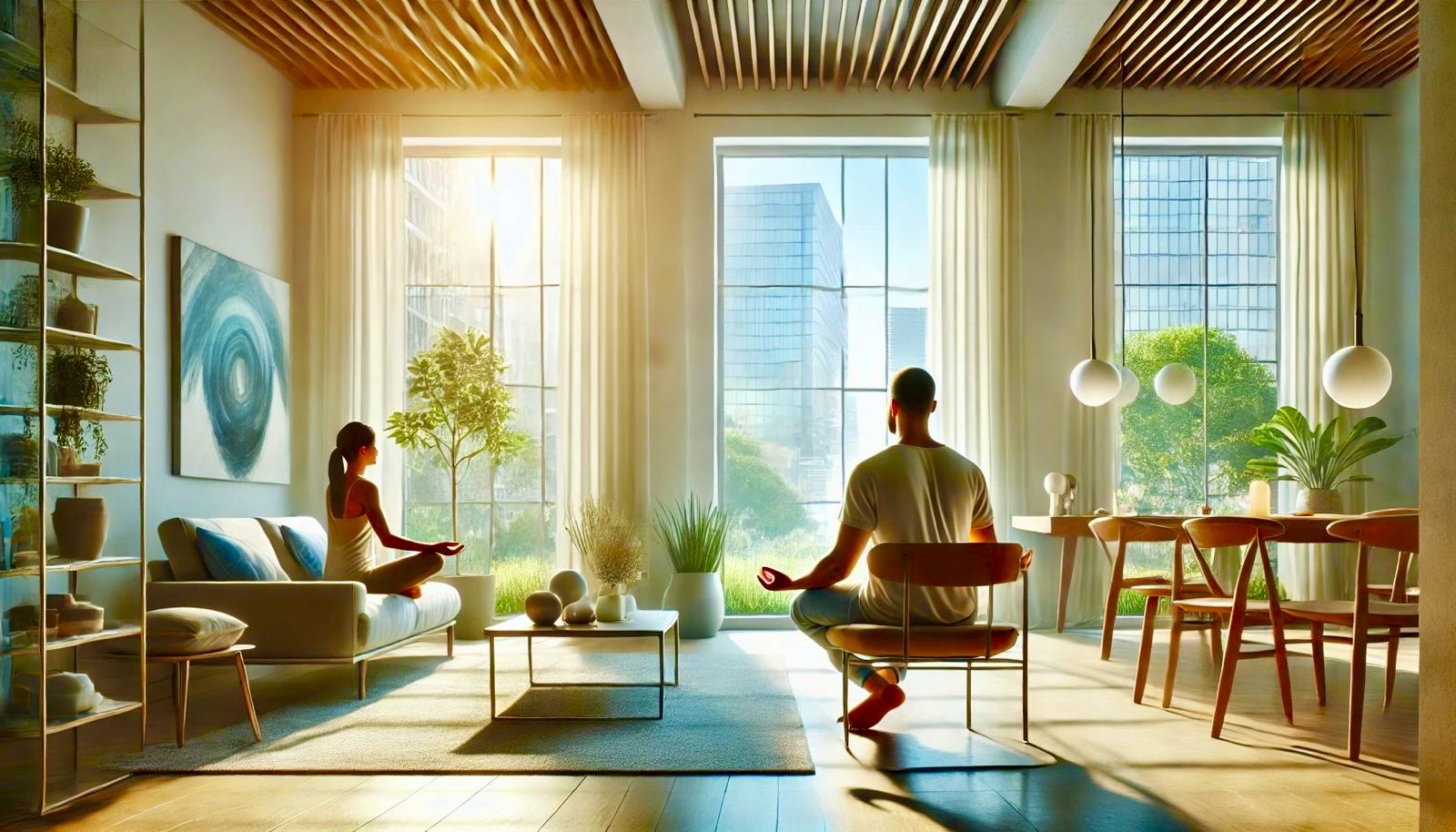
坐在椅子上是一种常见且有效的替代方式。只要双脚平放地面,身体保持直立但不过度用力,手自然放置,这样的姿势同样可以支持禅修。关键在于身体既不松散,也不过度紧绷,而是处于一种平衡的状态。
除了坐姿,禅修还可以在行走、站立甚至躺下时进行。行禅是一种通过觉察步伐来训练觉知的方式,适合在身体不适合久坐时进行。站立禅修则有助于培养稳定感,而躺姿则适用于身体疲劳或病弱时。不同的姿势,并不是高低之分,而是根据实际情况的不同选择。
需要注意的是,姿势虽然不是决定性的,但也不能完全忽视。如果姿势过于随意,例如身体弯曲、懒散靠坐,很容易导致昏沉或注意力散乱。因此,无论采用何种姿势,都需要保持基本的端正与清醒。
打坐中一个重要的原则,是“稳定而不僵硬”。身体需要稳定,以支持持续的观察;但如果过度用力,又会产生紧张,反而成为新的干扰。因此,理想的状态是既有支撑,又有放松。这种平衡,并不是一次就能找到,而是在实践中逐渐体会。
在禅修中,姿势与心是相互影响的。当身体稳定时,心更容易安住;当心变得清明时,身体也会自然放松。因此,调整姿势不仅是身体的事情,也是帮助心进入状态的一种方式。
有些人会将盘腿视为一种“标准”,甚至以此判断修行的深浅。这种看法容易带来比较与执着,从而偏离禅修的本意。禅修的核心在于觉知,而不是外在形式。如果过于强调姿势,反而可能忽略真正需要观察的内容。
从更深的角度来看,禅修并不是依赖某一种固定条件。当觉知逐渐稳定时,人会发现,无论在何种姿势或环境中,都可以进行观察。这种不依赖特定形式的能力,才是修行逐渐成熟的表现。
在实践过程中,可以根据自身情况逐步调整。如果身体条件允许,可以尝试不同的坐姿,找到既稳定又舒适的方式;如果暂时无法盘腿,也无需勉强。随着身体的放松与柔韧性的增加,有些人会逐渐适应盘腿,但这应当是自然发生的,而不是强迫的结果。
打坐的关键,并不在于腿如何摆放,而在于是否能够如实观察身心。当注意力被姿势困扰时,反而偏离了修行的方向;当姿势成为支持,而不是障碍时,禅修才真正展开。
因此,打坐并不一定要盘腿。盘腿只是众多方法中的一种,它在某些情况下有其优势,但并不是必要条件。真正重要的是找到适合自己的姿势,使身体稳定、心保持清明。在这样的基础上,觉知才能持续,禅修也才能逐渐深入。
最终,人会发现,姿势只是入口,而不是目的。当觉知成为习惯时,无论是坐、行、站、卧,都可以成为修行的场所。这时,禅修不再依赖形式,而成为一种贯穿生活的状态。
Date: 04/17/2027 04/18/2027
Location: Star Ocean Meditation Center
Teacher: Sara
Dharma Knowledge
Do You Have to Sit Cross-Legged to Meditate
When people think of meditation, they often imagine sitting cross-legged, with legs folded and body upright, as if this posture is essential to the practice. This image is shaped by tradition and cultural representation, but it does not fully capture the essence of meditation. From a Buddhist perspective, posture is important, but it is only a supporting condition—not the defining factor. Meditation does not require sitting cross-legged; what matters most is stability and awareness.
To begin with, it is important to understand the purpose of posture. Whether sitting cross-legged, half-lotus, full lotus, or on a chair, the function of posture is to provide physical stability so that the mind can settle. If the body is constantly shifting or uncomfortable, attention is easily distracted. Therefore, posture is meant to reduce disturbance, not to fulfill a rigid standard.
The cross-legged position has been traditionally recommended because it helps stabilize the body. With legs folded, the center of gravity lowers, making balance easier, and the spine can remain upright with less effort. These factors support longer periods of stillness, which in turn support sustained awareness. However, this does not mean it is the only correct posture.
For beginners or those with physical limitations, forcing a cross-legged position can create unnecessary discomfort. Tension in the knees, hips, or lower back may dominate attention, making observation difficult. In some cases, improper posture may even lead to injury. Therefore, if sitting cross-legged causes significant discomfort, alternative postures are more beneficial.
Sitting on a chair is a common and effective alternative. As long as the feet rest flat on the ground and the body remains upright without excessive tension, this posture can fully support meditation. The key is a balance between relaxation and alertness—neither slouching nor rigid.
Beyond sitting, meditation can also be practiced while walking, standing, or even lying down. Walking meditation develops awareness through movement and is especially useful when sitting is uncomfortable. Standing meditation cultivates stability, while lying meditation may be appropriate for those who are fatigued or unwell. These variations are not inferior; they are simply different ways of practicing according to circumstances.
That said, posture should not be ignored entirely. If one sits in a careless or overly relaxed manner, such as slouching, it may lead to drowsiness or distraction. Regardless of posture, a basic sense of uprightness and clarity should be maintained.
An important principle in meditation posture is “stable but not rigid.” The body should be steady to support observation, but excessive effort creates tension, which becomes another form of disturbance. The ideal balance involves both support and ease, and this balance develops gradually through practice.
Posture and mind influence each other. When the body is stable, the mind finds it easier to settle; when the mind is clear, the body naturally relaxes. Adjusting posture is therefore not only a physical matter but also a way of supporting mental clarity.
Some people treat cross-legged sitting as a standard and even measure progress by it. This can lead to comparison and attachment, which contradicts the essence of meditation. The heart of practice lies in awareness, not in outward form. Overemphasizing posture may distract from what truly needs to be observed.
At a deeper level, meditation does not depend on any single condition. As awareness develops, one begins to see that observation can occur in any posture or environment. This independence from form reflects a maturation of practice.
In practical terms, one can adjust posture according to individual conditions. If the body allows, different sitting positions can be explored to find one that is both stable and comfortable. If cross-legged sitting is not suitable, there is no need to force it. As the body becomes more relaxed and flexible, some may gradually adapt to it—but this should happen naturally, not through strain.
The essence of meditation does not lie in how the legs are positioned, but in whether one can observe experience as it is. If posture becomes a source of distraction, it hinders practice; if it becomes a support, meditation can unfold more easily.
Therefore, sitting cross-legged is not a requirement for meditation. It is one of many possible methods, useful in certain contexts but not essential. What truly matters is finding a posture that allows the body to be stable and the mind to remain clear. With this foundation, awareness can deepen.
Ultimately, posture is only an entry point, not the goal. When awareness becomes continuous, sitting, walking, standing, and lying down can all become part of meditation. At that point, meditation is no longer dependent on form but becomes a way of living.