时间:06/26/2027 06/27/2027
地点:星海禅修中心
主讲:净真
佛法知识
禅修中的身心反应
禅修中的身心反应,是指个体在专注训练与觉察过程中,身体现象与心理活动所呈现出的变化。这些反应并非特殊体验或神秘现象,而是身心在特定条件下的自然显现。其理解关键,在于区分现象本身与对现象的解释。
从身体层面看,常见反应包括呼吸变化、肌肉紧张或放松、温度感知波动、刺痛、麻木、轻重感等。这些现象源于注意力集中后,对原本持续存在但未被觉察的感觉变得清晰。禅修并不创造这些感觉,而是揭示其存在。由于缺乏稳定觉察,日常状态中这些信号通常被忽略。
在心理层面,反应表现为念头增多或减少、情绪波动、记忆浮现、评价倾向增强等。初期常见的是念头频繁涌现,这并非杂念“增加”,而是对既有心理活动的觉察增强。随着训练深入,注意力逐渐稳定,念头的持续性减弱,其生起与消失更易被观察。
进一步分析,这些身心反应可被视为五蕴运作的直接体现。色蕴表现为身体感觉,受蕴表现为苦乐中性体验,想蕴涉及识别与标记,行蕴体现为意志与反应倾向,识蕴则为对整体经验的了知。禅修使这些过程从自动运行转为可观察对象,从而揭示其无常与非自主性。
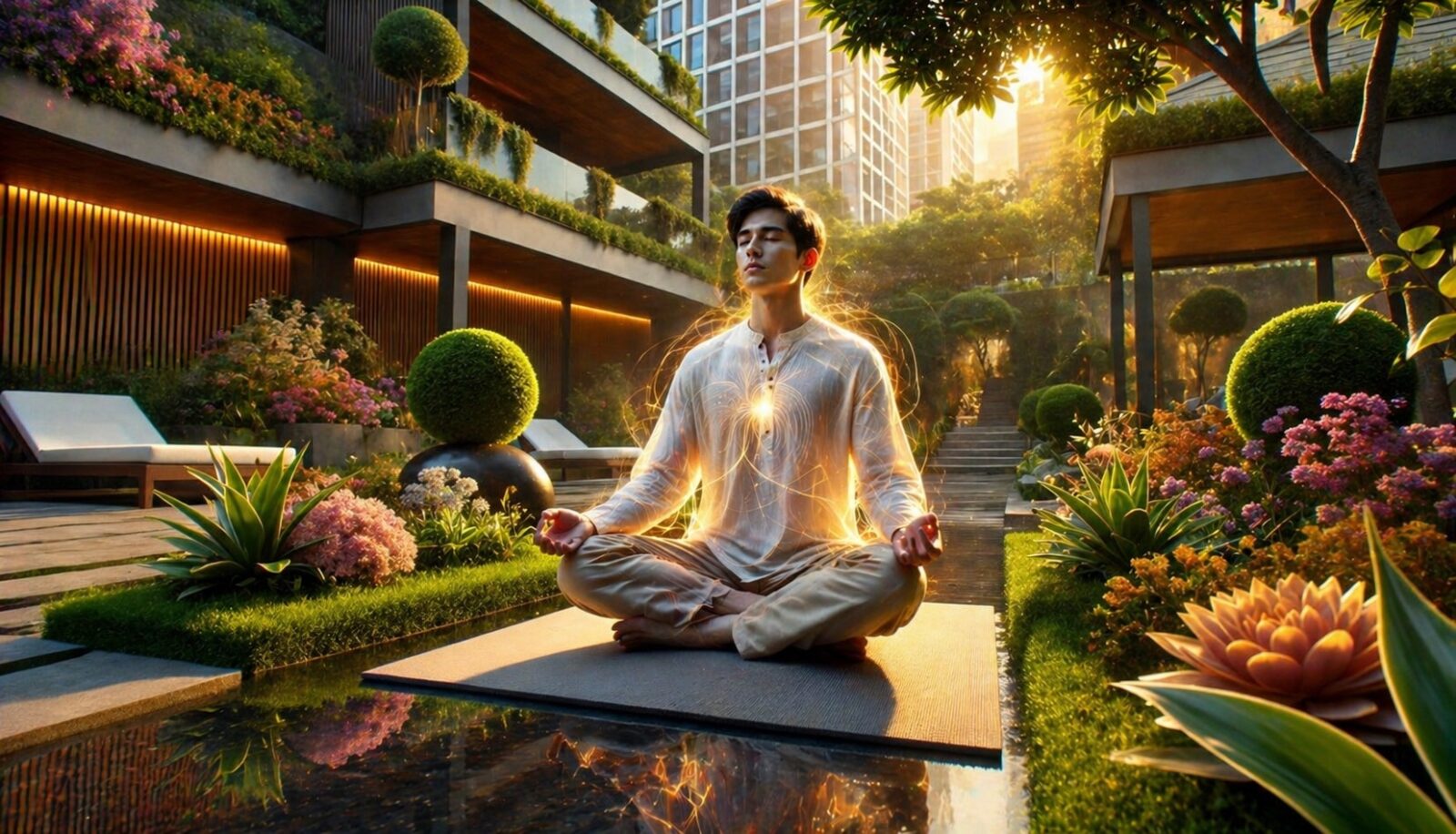
常见误解之一,是将某些特殊体验视为修行进展的标志,例如光感、轻安或极度宁静。此类现象确实可能出现,但其本质仍属于条件生起的经验,具有无常性与可变性。将其固化为目标,会强化执著,偏离观察本身的方向。
另一误解,是对不适反应产生排斥,如焦躁、疼痛或情绪波动。这些反应通常源于长期被压制或未被察觉的心理与生理模式。在觉察条件下显现,并不意味着问题被制造,而是原有结构被暴露。若以抗拒应对,则延续原有反应链条。
从因缘角度看,禅修中的一切反应皆依条件而生。姿势、呼吸方式、注意力质量、心理预期等,均会影响体验内容。因此,重点不在于控制具体反应,而在于理解其生起条件,并观察其变化过程。通过持续观察,可以识别反应的非恒常性与非控制性。
在实践意义上,禅修的核心并非追求特定状态,而是建立对身心过程的稳定觉察。通过如实观察,修行者逐步削弱对感觉、情绪与念头的认同,将其视为条件现象而非“自我”的组成部分。这一转变,是从经验卷入走向经验理解的关键。
因此,禅修中的身心反应,不应被评价为好或坏,而应被视为观察对象。其价值不在于内容本身,而在于揭示身心运作方式。当反应被如实理解,其束缚力减弱,觉察能力得以稳定,进一步为深入理解无常、苦与无我奠定基础。
Date: 06/26/2027 06/27/2027
Location: Star Ocean Meditation Center
Teacher: Sara
Dharma Knowledge
Physical and Mental Responses in Meditation
Physical and mental responses in meditation refer to the range of bodily sensations and psychological activities that arise during sustained attention and awareness training. These responses are neither extraordinary nor mystical; they are natural manifestations of the mind-body system under specific conditions. The key to understanding them lies in distinguishing raw phenomena from the interpretations imposed upon them.
On the physical level, common responses include changes in breathing, muscle tension or relaxation, fluctuations in temperature perception, tingling, numbness, and sensations of heaviness or lightness. These arise because focused attention makes previously unnoticed sensations more apparent. Meditation does not create these sensations; it reveals them. In ordinary states, such signals are typically ignored due to lack of sustained awareness.
On the psychological level, responses manifest as fluctuations in thought frequency, emotional shifts, resurfacing memories, and increased evaluative tendencies. In early stages, a common experience is the apparent increase of thoughts. This is not the generation of more thoughts, but the heightened awareness of ongoing mental activity. As practice deepens, attention stabilizes, and thoughts become less persistent and more clearly observed in their arising and passing.
From an analytical perspective, these responses reflect the operation of the five aggregates. Form corresponds to bodily sensations, feeling to hedonic tone (pleasant, unpleasant, neutral), perception to recognition and labeling, formations to volitional and reactive patterns, and consciousness to the awareness of experience. Meditation transforms these processes from automatic operations into observable events, revealing their impermanent and non-self nature.
A common misunderstanding is to treat certain experiences—such as inner light, tranquility, or bliss—as indicators of progress. While such phenomena may occur, they remain conditioned experiences subject to change. Fixating on them as goals reinforces attachment and diverts attention from observation itself.
Another misunderstanding is the aversion to unpleasant responses, such as restlessness, pain, or emotional disturbance. These often originate from previously suppressed or unnoticed patterns. Under conditions of awareness, they surface not because meditation creates them, but because it exposes existing structures. Reacting with resistance perpetuates the same reactive cycle.
From the standpoint of conditionality, all meditative responses arise due to specific conditions. Posture, breathing patterns, quality of attention, and prior expectations all influence the nature of experience. The task is not to control responses, but to understand their conditions and observe their transformation. Through sustained observation, their impermanence and lack of control become evident.
In practical terms, the core of meditation is not the attainment of particular states, but the establishment of stable awareness of bodily and mental processes. By observing directly, practitioners gradually reduce identification with sensations, emotions, and thoughts, recognizing them as conditioned phenomena rather than components of a fixed self. This shift marks the transition from immersion in experience to understanding of experience.
Thus, physical and mental responses in meditation should not be judged as good or bad, but treated as objects of observation. Their value lies not in their content, but in what they reveal about the functioning of the mind-body system. When understood accurately, their binding force weakens, awareness stabilizes, and the foundation is laid for deeper insight into impermanence, suffering, and non-self.