时间:08/02/2025 08/03/2025
地点:星海禅修中心
主讲:Otto Huang
佛法修行
拈花心传的大迦叶
摩诃迦叶又叫做大迦叶、迦叶波,意思是乌龟,又翻译成饮光。传说他的祖先在修炼时,有一只具有灵性的乌龟背负着玄妙的图案而来,因此得道,所以以龟作为姓氏。又传说上古时代曾有仙人能吸取日光,平时隐藏着,见不到任何光芒,但是如果显现的话就会全身光辉明亮,迦叶是这位先人的后裔,所以也用饮光为姓氏。他出生在毕波罗树(即菩提树)下,所以名叫毕波罗。在佛陀所有弟子中,姓迦叶的有五个人,其中只有摩诃迦叶可以单称为迦叶。
大迦叶原本信奉外道,后来皈依佛门。他率领五百弟子,在韦提河边的山中修行头陀之道。头陀指的是身上披着破旧的衣服,到处乞求化缘,餐风露宿、性情淡泊的僧侣。迦叶因为认真修行这样的头陀行,所以被称为「头陀第一」,非常受到佛陀的器重,嘉许他为「大行渊广」。
有一次,天界之王在灵鹫山上向佛陀敬献金色波罗花,佛陀登上座位,手中拈着一朵花。当时座下所有的弟子,都不明白佛陀这样做含有什么奥妙的道理,只有大迦叶微笑着,因为他领悟到佛陀的道理了。
佛陀说:「正道大法是无法用眼睛看出来的,只有涅槃寂静的心才能领会。实在的法相其实是没有法相,这是一门微妙玄通的法门,不加注文字,是用特殊的教法传授的,我就将这些嘱托给摩诃迦叶。」这就是心传,即所谓灵山会上正法眼藏付嘱的拈花微笑,就是禅宗最初的典故。
大迦叶最不喜欢住在竹林精舍或是祇园精舍过团体的生活,甚至厌恶那里的和乐环境,他喜欢的是在露天静坐、冢间观尸、树下补衣。因为他认为住在尸臭或骸骨之中,对于修习无常、苦、空、无我、不净观等,才更加合适。
大迦叶一向修习头陀苦行,他不怕狂风暴雨,不惧日晒夜露,他枯瘦的老年之身,总是住在深山丛林的树下,或是白骨遍野的墓间,对于他的头陀苦行,任何人劝说,他都不停止。
大迦叶终于渐渐地衰老了,可是他对头陀苦行的生活,是越过越认真。
有一次,佛陀也不忍他以衰老之年,还要生活在日晒夜露、狂风暴雨之中,想劝他中止苦行。
那是佛陀法住在鹿母讲堂的时候,佛陀召见大迦叶。当时大迦叶穿著由破布缝补而成的粪扫衣,须发长得很长,蹒跚地走来,这里新皈依的比丘都不认得他就是大迦叶,看到他那仪容不整的形相,都投以轻蔑的眼光,甚至有人向前想阻止他走近佛陀。
佛陀知道大家的心思,很远的就招呼道:
「大迦叶!你来啦!我留了半座在这里,你赶快到这里来坐吧!」
诸比丘听佛陀这么一说,吓了一跳!想不到这位老比丘,就是大名鼎鼎的大迦叶尊者。他向前顶礼佛陀后,退下几步说道:
「佛陀!我是您末座的弟子,要坐在佛陀所设的座位实不敢当!」
这时,佛陀就向大众叙说大迦叶广大无边的威德,并且说他有如佛陀修道相等的历程,今生如不遇佛陀,他也可以觉悟,证得阿罗汉。
佛陀告诉大迦叶,叮咛他不要继续苦行,把粪扫衣脱去,改穿信众所供养的僧衣,静静地养老,不要过度疲劳。
虽然受到佛陀这么高的慰劳,但大迦叶并不肯改变他的头陀苦行,他向佛陀说道:
「佛陀!头陀苦行在我并不以为苦,反而感到很快乐,我不为衣愁,不为食忧,没有人间的得失,感到清净解脱的自由。佛陀教法中的头陀行门,就是一种最严肃的生活方式,能习惯于这种生活,便能吃苦,便能忍耐,便能甘于淡泊。佛陀!我为了直接巩固僧团,间接的利益众生,我欢喜愿意不舍苦行,请佛陀原谅弟子的执着!」
佛陀听后,非常欢喜,看看大迦叶,又看看诸比丘,说道:
「将来佛陀正法的毁灭,不在天魔外道的破坏,而是在僧团的腐化与崩溃!大迦叶的话说得很对,要弘扬佛法,让真理之光永照着世间,则必先要巩固僧团,要巩固僧团,就必须过严肃的生活,我的正法,如大迦叶尊者,就能负责住持!」
「大迦叶!你好好去修道吧,我不勉强你,你可照你的意思去修行。要见我的话,随时都可以来见我。」佛陀又向大迦叶说。
岁月是无常的,就在佛陀八十岁的那一年,传出了佛陀将要涅槃的消息。当时在教团中,年老的大迦叶尊者,和年轻的阿难陀尊者,被公认为继承佛陀最适当的人选,尤其是大迦叶尊者。佛陀在拘尸那迦罗城涅槃的时候,大迦叶正在北方的铎叉那耆国领着五百比丘教化度众,他得知消息后,非常的伤心,在星夜领着比丘们来到拘尸那迦罗城,有的愁眉不展,有的伏地痛哭。
但在比丘中有一个是六群比丘之一的跋难陀,却很欢喜地说:「你们何必要这样伤心?佛陀涅槃后,我们才可以自由,他老人家在世的话,会拘束我们,会管理我们,他常常说我们这个不好,那个不对的,真啰嗦,也真麻烦!现在他涅槃了,我们正可以轻松轻松呢!」
大迦叶听了恳切地教示他说:「现在佛陀进入涅槃,众人因失去了皈依而伤感,愚痴的你,怎么反而以此为乐?」
也因为这样的因缘,大迦叶觉得有必要结集佛陀的教法,于是大法流传的责任,就由大迦叶尊者承担起来!
在佛陀灭度后的九十日,开始结集三藏。从结集三藏的第二天起,由阿难陀诵经,优波离诵律,再由诸长老将所诵之经、律检讨修订。所谓第一次结集三藏的神圣大业,就这样的顺利完成了。大迦叶的伟大,由佛陀灭度时,在那么多圣弟子中,他能统理大众,并没有把教团弄得四分五裂一事就可以知道。在佛陀涅槃的时候,他的声望和权威,实在是如同磐石的重要。
结集三藏后的大约二、三十年,大迦叶忽然厌世起来,想提早入灭。当时,大迦叶的年龄,无疑的已超过百岁。
他即刻走到阿难陀住的地方,付嘱佛陀所说的教法,要阿难陀继承,后来他就跃身虚空,到佛陀的八塔一一供养礼拜。
回到王舍城,他前去向阿阇世王告辞,守卫的说国王在睡觉,他就径往离王舍城西南八里多的鸡足山去。当尊者到达此山时,三峰裂开,自然形成他的禅座。他即刻以草席地而坐,并且说道:「我今将以神通力来保持这个身体,用粪扫衣来盖覆他,等六十七亿年后,弥勒菩萨降生成佛,我再去拜见他,协助他教化众生!」说完后,鸡足三峰就合起来,隐藏了他的身体。
阿阇世王知道大迦叶尊者入灭的消息,悲伤无比!马上往见阿难陀尊者,要他同登鸡足山一看,当阿难陀尊者和阿阇世王到达鸡足山时,鸡足三峰自然裂开,他们看到大迦叶尊者端然地入定,身上还盖覆了美丽的天花。
他两人供养礼拜退出以后,山峰又自然地合起来。他们回顾静寂的山林中,尔后六十七亿年,尊者大迦叶将长期捧着佛陀的衣钵,在这山中等候弥勒尊佛的来访,再把佛陀的衣钵传给他,以这种遗风教化,令他们不禁钦佩万分!
从尊者大迦叶的故事来看,尊者的生命固然是无穷无尽,就是佛陀的教法也将无穷尽地流传下去!
Date: 08/02/2025 08/03/2025
Location: Star Ocean Meditation Center
Teacher: Otto Huang
Dharma Talk
Mahākāśyapa, the One to Whom the Mind-Seal Was Transmitted by the Flower
Mahākāśyapa, also known as Kāśyapa or Kāśyapa Buddha, means “tortoise” and is also translated as “Drinker of Light.” It is said that in ancient times, one of his ancestors attained the Way when a spiritually endowed tortoise appeared, bearing a mysterious pattern upon its shell.
Thus, the family took “Tortoise” as its surname. Another tradition says that in ages past there lived an immortal who absorbed sunlight for sustenance and concealed himself from all radiance. But when he appeared, his entire body emitted glorious light. Mahākāśyapa, being a descendant of this sage, thus inherited the name “Drinker of Light.”
He was born beneath a pipphalī tree (the very species known as the Bodhi tree), hence his personal name, Pipphalī.
Among all of the Buddha’s disciples, five bore the family name Kāśyapa, yet only Mahākāśyapa was referred to simply as “Kāśyapa.”
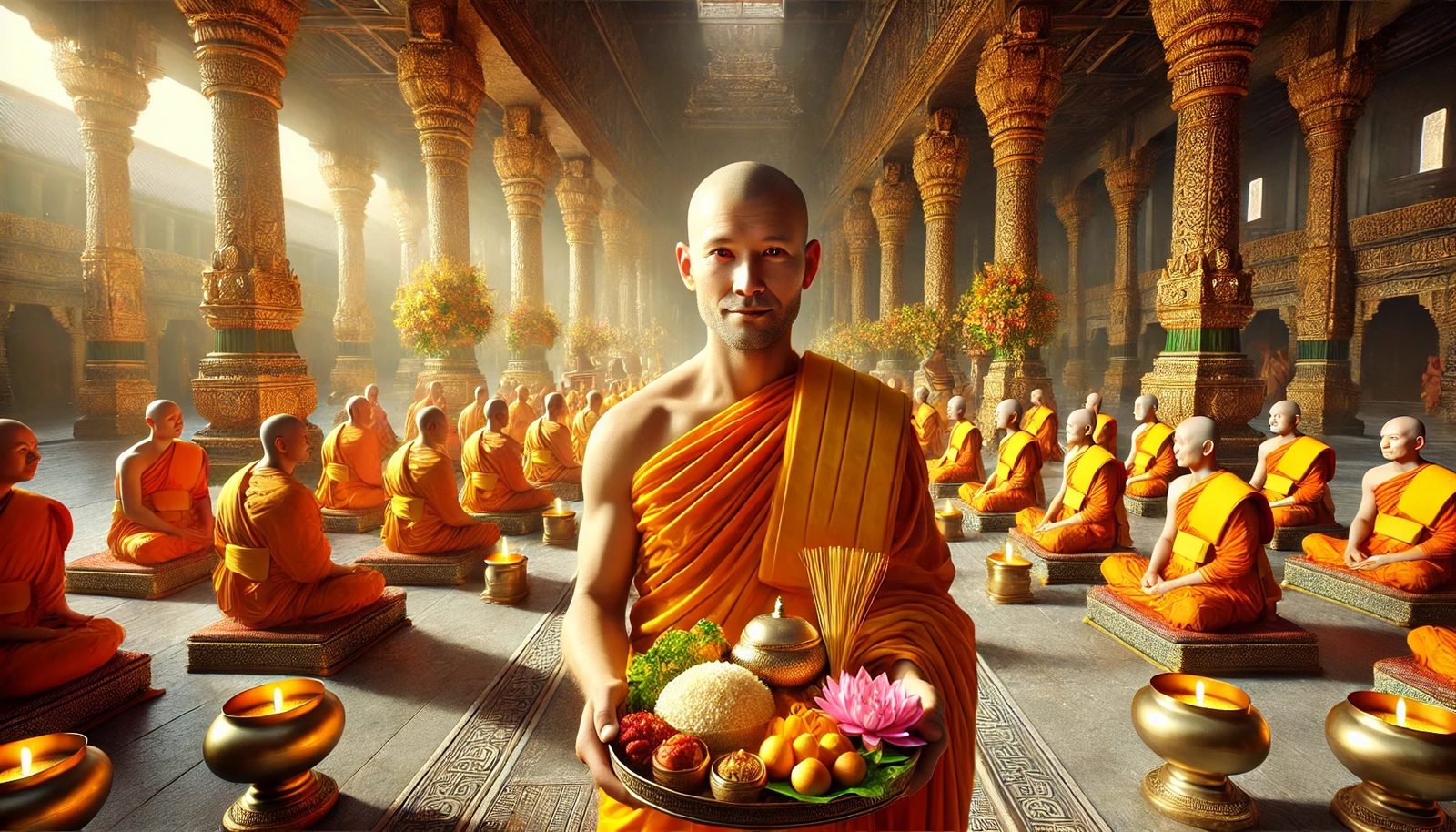
In the beginning, Kāśyapa followed heterodox paths, but later he took refuge in the Buddha. Leading five hundred disciples, he practiced austere asceticism in the mountains by the river Vedikā. The ascetic practice (dhūtaguṇa) entails wearing rag robes, going on alms-rounds, enduring the elements, and living a life of detachment.
Because he upheld these disciplines with earnest diligence, he was praised as Foremost in Ascetic Practice, and was highly esteemed by the Buddha, who extolled him as “Vast in Conduct, Deep in Practice.”
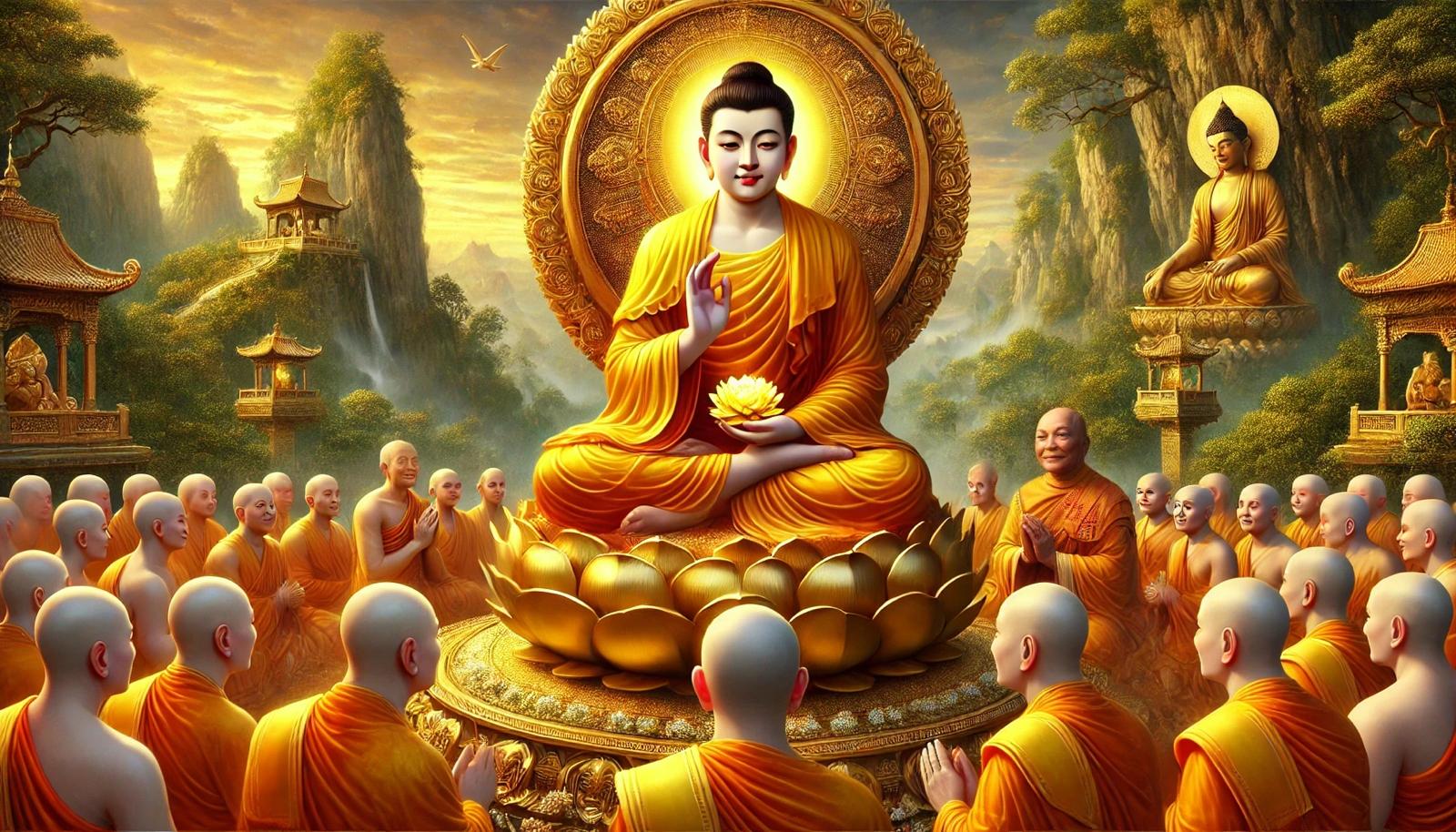
Once, the King of the Devas offered a golden blossom of the pārajaṭa tree to the Buddha on Gṛdhrakūṭa Mountain. The Buddha ascended the seat and held up a single flower. All those assembled were perplexed and silent, not understanding the Tathāgata’s intention. Only Mahākāśyapa smiled subtly, for he had penetrated the Buddha’s inner meaning.
The Buddha then declared:
“The True Dharma cannot be conveyed through words or appearances. Only the still heart of nirvāṇa may comprehend it. The Dharma’s true form is formless; it is a subtle, direct transmission beyond scriptures and symbols. This I entrust now to Mahākāśyapa.”
This is the transmission of mind—the famed “twirling of the flower and subtle smile” at Vulture Peak, the original source of the Zen (Chan) tradition’s mind-to-mind transmission of the Treasury of the True Dharma Eye.
Mahākāśyapa disliked living in monasteries such as the Bamboo Grove or Jetavana Monastery. He even found the communal harmony there distasteful. What he cherished was solitary sitting in the open air, contemplating corpses among graves, and patching robes beneath trees.
He believed that dwelling among stench and bones was most fitting for cultivating contemplation on impermanence, suffering, non-self, and impurity.
He persevered in his austere dhūta practices without fear of storms or sun, dwelling beneath forest trees or among skeletal fields. No matter who tried to dissuade him, he never abandoned his path of hardship.
As Mahākāśyapa aged, his devotion to ascetic life only grew stronger. Once, while the Buddha was residing at the Deer Mother Lecture Hall, he summoned Mahākāśyapa. At that time, Mahākāśyapa came wearing rag robes stitched from refuse cloth, with long hair and beard, walking with great difficulty. New monks did not recognize him and, seeing his unkempt appearance, cast scornful looks. Some even tried to bar his approach to the Buddha.
Perceiving their minds, the Buddha called out from afar:
“Mahākāśyapa! You have come! I have reserved a seat for you—come and sit beside me!”
The monks were astonished to hear this. They had not expected that this humble-looking elder was the renowned Venerable Mahākāśyapa. After bowing respectfully, Kāśyapa stepped back and said:
“Blessed One! I am your humblest disciple. I do not dare take the seat you have prepared.”
The Buddha then spoke to the assembly of Kāśyapa’s vast virtue and merit, declaring that his practice paralleled the Buddha’s own ascetic path. The Buddha proclaimed that, had Kāśyapa not met him in this life, he too would have realized enlightenment and attained Arhatship.
The Buddha exhorted him not to continue his austerities in old age, advising him to put aside rag robes and wear the robes offered by lay devotees, and to rest in quietude without excessive strain.
Despite such compassionate encouragement from the Buddha, Mahākāśyapa refused to abandon his practice. He said:
“Blessed One! To me, ascetic practice is not suffering, but joy. I do not worry for clothing, nor do I fret over food. I have no concern with worldly gain or loss. I abide in the purity and freedom of liberation.
The dhūta practices, as taught by the Tathāgata, are the most solemn and disciplined way of life. To be habituated to such a life is to be able to endure, to be content in simplicity. I uphold this for the direct strengthening of the Saṅgha, and for the indirect benefit of sentient beings. I joyfully and willingly maintain my austerities. I beg the Blessed One to forgive my stubbornness.”
The Buddha was greatly pleased. Gazing at Mahākāśyapa, then turning to the monks, he declared:
“In the future, the Dharma will not be destroyed by Māras or heretics, but by the internal decay and collapse of the Saṅgha. What Kāśyapa has said is true. To uphold the Dharma and keep the light of truth shining in the world, the Saṅgha must be strengthened. To strengthen the Saṅgha, one must live a life of gravity and discipline. My True Dharma—such as that upheld by Mahākāśyapa—shall be entrusted to him as its guardian.”
Then the Buddha said to him:
“Mahākāśyapa, go now and continue your cultivation. I shall not hinder you. Come to see me whenever you wish.”
Time passed, and the law of impermanence made its mark. In the Buddha’s eightieth year, word spread that the Tathāgata was entering parinirvāṇa. At that time, among the disciples, the elder Venerable Mahākāśyapa and the youthful Ānanda were regarded as the most fitting successors to the Buddha’s teaching—especially Mahākāśyapa.
When the Buddha entered parinirvāṇa in Kuśinagara, Mahākāśyapa was in the northern kingdom of Takṣaśilā, leading five hundred monks in teaching and conversion. Upon hearing the news, he was overwhelmed with grief and led the monks through the night toward Kuśinagara. Some were silent and somber; others prostrated, weeping upon the ground.
Among the Saṅgha was a monk named Subhadra, one of the group known as the “Six Heretical Bhikkhus.” Rejoicing at the news, he said:
“Why are you all grieving? With the Buddha gone, we are now free! While he lived, he restrained and scolded us constantly—this wrong, that wrong, so tedious and bothersome. Now that he’s passed, we can finally relax!”
Hearing this, Mahākāśyapa admonished him, saying:
“At this time, when the Tathāgata has entered parinirvāṇa and all beings grieve the loss of their refuge, how can you, deluded one, take pleasure in such a thing?”
It was due to this occurrence that Mahākāśyapa felt the urgent need to compile and preserve the Buddha’s teachings. Thus, the sacred responsibility of transmitting the Dharma fell upon him.
On the ninetieth day after the Buddha’s passing, the compilation of the Tripiṭaka (Three Baskets) began. On the second day, Ānanda recited the sūtras, Upāli recited the Vinaya, and the elders examined and confirmed the texts. In this way, the First Council was solemnly and successfully completed.
That Mahākāśyapa could lead such a vast gathering without splintering the Saṅgha testifies to his greatness. At the time of the Buddha’s parinirvāṇa, his reputation and authority were firm as a mountain.
Some twenty or thirty years after the Council, Mahākāśyapa grew weary of the world and prepared to enter nirvāṇa. By then, he was certainly over one hundred years old.
He went to Ānanda and entrusted him with the Buddha’s teachings, appointing him to continue the transmission. Then, ascending into the sky, he visited and worshiped each of the eight stupas containing relics of the Buddha.
Returning to Rājagṛha, he went to bid farewell to King Ajātaśatru. The guards said the king was asleep, so he quietly departed to Mount Kukkuṭapāda, southwest of the city.
Upon his arrival, the three peaks of the mountain opened, forming a natural meditation seat. Sitting upon a mat of grass, he declared:
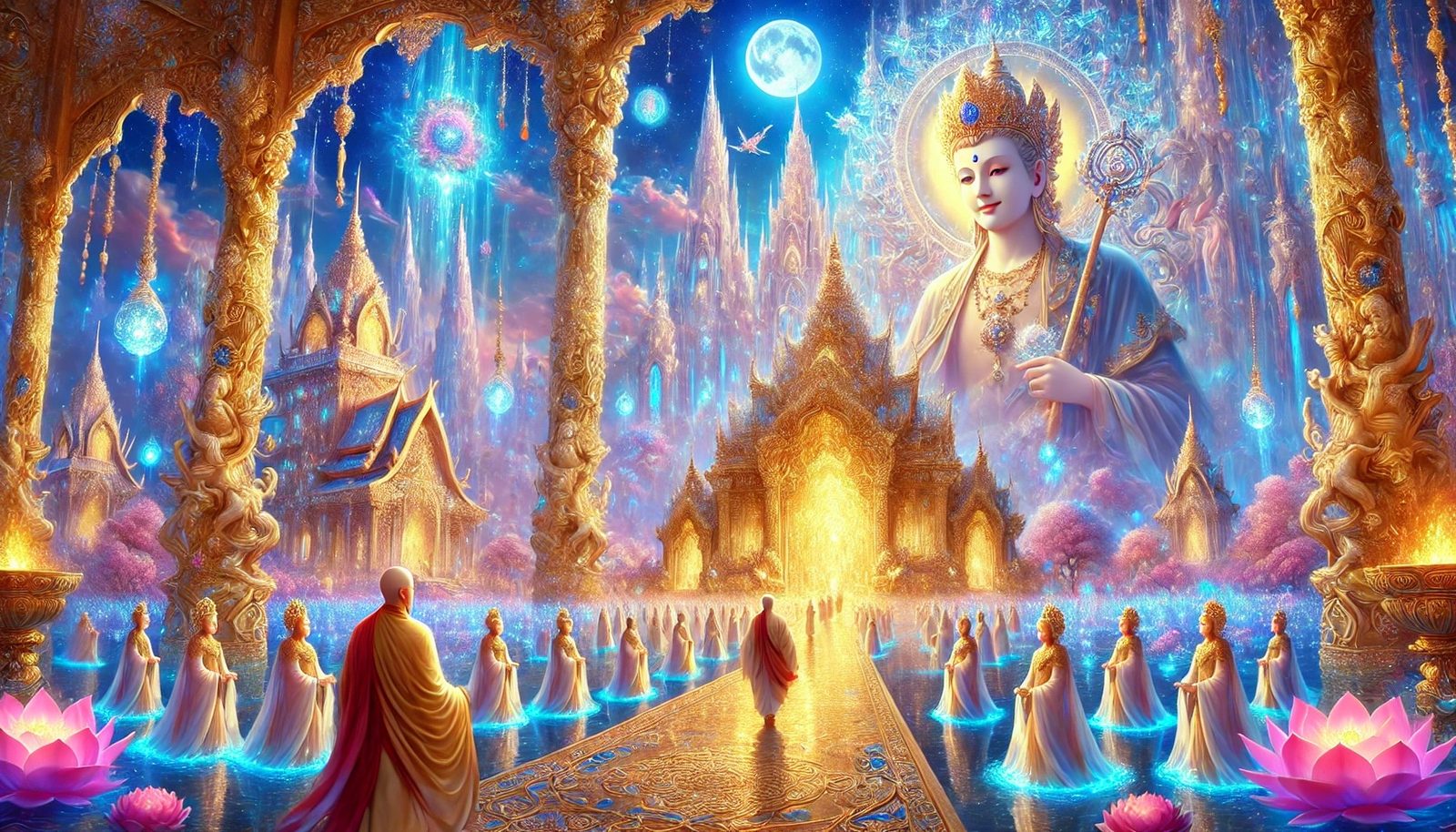
“Now, by the power of my samādhi, I shall preserve this body. Covered by my rag robe, I shall await the arrival of Maitreya Bodhisattva in sixty-seven kalpas. When he descends to become a Buddha, I shall offer him the Buddha’s robe and aid in his teaching of beings.”
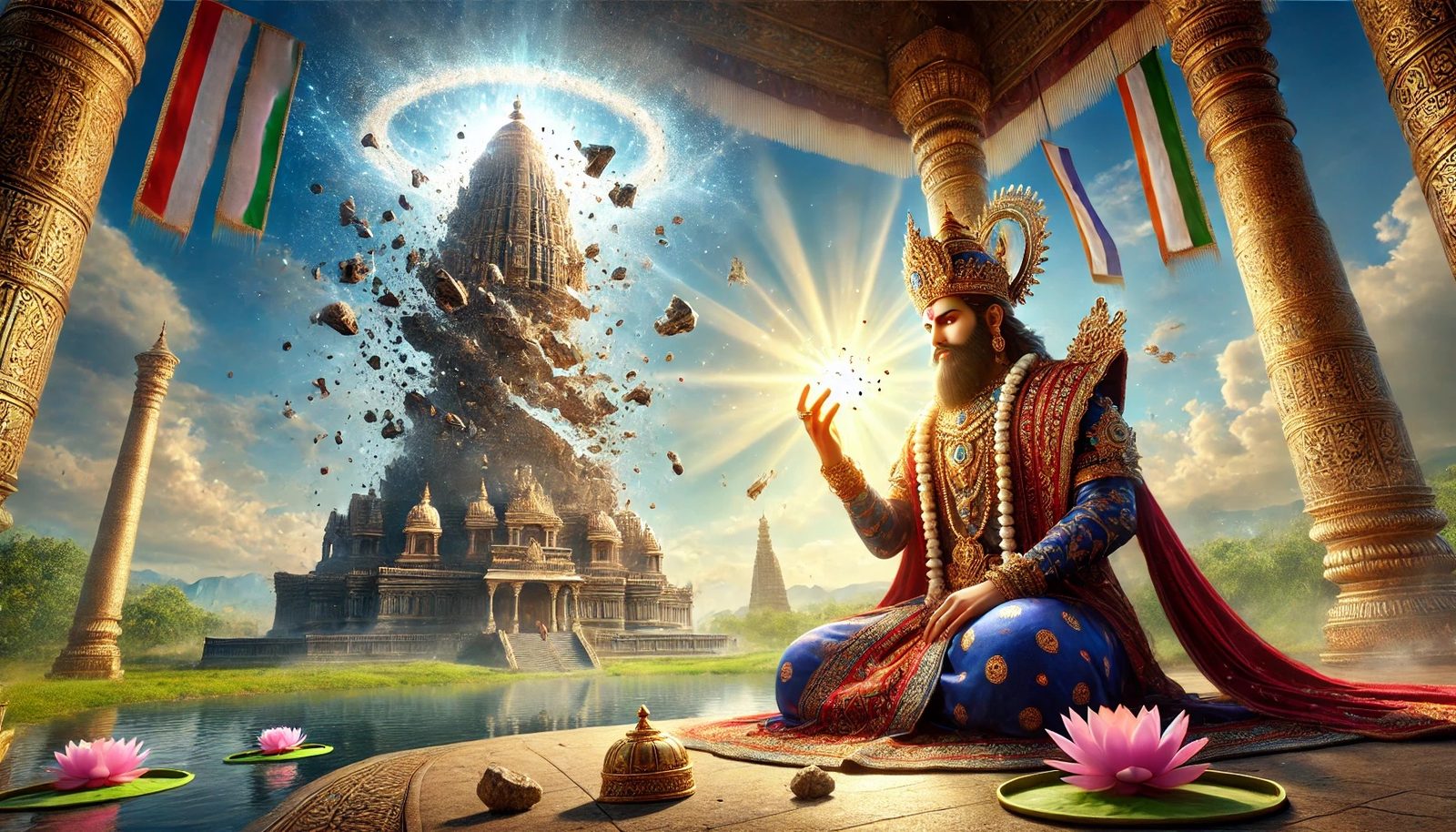
Having spoken thus, the three peaks closed, concealing his body.
When King Ajātaśatru heard of Mahākāśyapa’s passing, he was overwhelmed with grief. He immediately went to see Ānanda, and together they ascended Mount Kukkuṭapāda. As they approached, the three peaks opened by themselves. Within, they beheld Mahākāśyapa seated in deep meditation, his body covered in celestial flowers.
After worship and offerings, the two withdrew, and the mountain peaks closed again. Gazing back at the silent, sacred grove, they reflected that for sixty-seven kalpas, Mahākāśyapa would preserve the Buddha’s robe and await the descent of Maitreya Buddha, to whom he would transmit the robe and continue the Dharma’s legacy.
Their hearts were filled with awe.From the story of Venerable Mahākāśyapa, it is clear: though the life of the body may be finite, the Dharma of the Buddha shall be transmitted endlessly into the future.