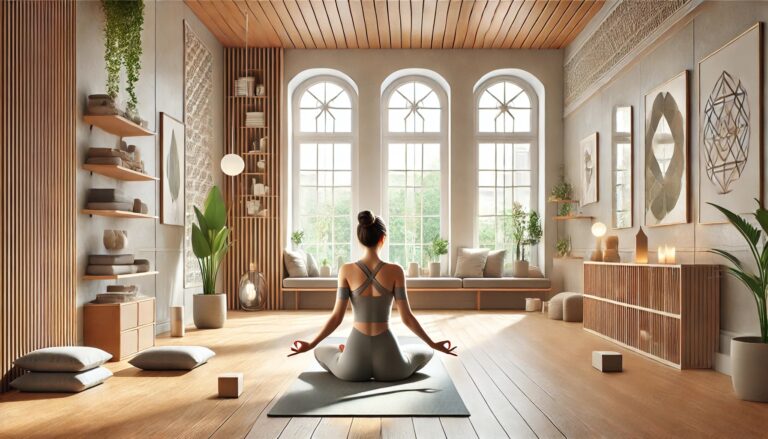
时间:01/06/2024 01/07/2024
地点:星海禅修中心
主讲:Sara
打坐参禅
七段坐姿的精细掌握
七段坐姿的核心,在于以循序渐进的方式调整身体,使脊柱稳定、呼吸通顺、力量均衡,让身体在静坐中达到最自然的平衡点。透过分段理解与调整,每一部分的稳定都会增强整体的安定,使静坐更深、更稳、更轻松。
一、什么是七段坐姿?
七段坐姿是将身体从下至上分为七个关键区块进行调整的方法,使姿势自然、稳定并适合长期静坐。透过逐段校正,可减少用力、避免歪斜,让身体获得最有效的支撑。
二、七段坐姿的“核心基础”
1.骨盆安稳:骨盆微前倾,坐骨扎根。
2.脊柱立直:从尾骶到颈项自然延伸。
3.肩颈松软:肩膀下沉、颈项轻松。
4.头顶拔高:头轻轻向上延伸,不僵硬。
5.双手安放:自然置于腿上或腹部。
6.双膝着地:让下盘稳固,身体不飘。
7.全身连贯:从底部到头顶形成一条稳定的力量线。
三、七段坐姿的主要益处
1.减少生理痛感:姿势正确可降低腰痛、颈痛与麻木。
2.增强呼吸深度:身体稳定后,呼吸自然变得深而稳。
3.提升专注力:物理稳定带来心理稳定。
4.延长坐姿时间:减少疲劳,使静坐更持久。
5.促进能量流动:身体中轴畅通,精气神更集中。
四、七段坐姿的实践方式
1.从下而上调整:每次专注校正一段,让身体熟悉其位置。
2.使用坐垫:让骨盆更容易找到安稳角度。
3.微调肩颈:避免抬肩或前倾。
4.观察呼吸:让呼吸自然,不刻意控制。
5.整体连贯:坐定后,以全身为一体感受稳定。
五、关于七段坐姿的小知识
七段坐姿是否必须一次到位?
不需要,可分段练习,逐渐自然成形。
如果身体僵硬怎么办?
降低要求,以放松为优先,姿势自然会改善。
需要盘腿吗?
不一定,椅坐也可依七段原则进行。
总结
七段坐姿是一种让身体从底部到头顶逐步找到稳定的练习方式。透过分段调整与觉察,身体变得轻盈、中心稳定,静坐因此更深、更自在、更持久。
Date: 01/06/2024 01/07/2024
Location: Star Ocean Meditation Center
Teacher: Sara
Sitting Meditation
The Refined Mastery of the Seven-Section Sitting Posture
The core of the seven-section sitting posture is to refine the body step by step, stabilizing the spine, smoothing the breath, and balancing strength so the body reaches its natural point of equilibrium in meditation. By understanding and adjusting each section, overall stability becomes stronger, making meditation deeper, steadier, and more effortless.
1. What Is the Seven-Section Sitting Posture?
The seven-section sitting posture divides the body into seven key segments from bottom to top, aligning them one by one to create a natural and stable posture for long meditation sessions. Through progressive adjustment, excessive force and misalignment are reduced, allowing the body to support itself efficiently.
2. The “Core Foundations” of the Seven Sections
1.Stable pelvis: A slight forward tilt with grounded sit bones.
2.Upright spine: Natural extension from sacrum to neck.
3.Relaxed shoulders and neck: Shoulders drop, neck softens.
4.Lifted head: A gentle upward extension without stiffness.
5.Relaxed hands: Rest naturally on legs or abdomen.
6.Knees grounded: A firm lower base preventing sway.
7.Full-body integration: A continuous line of stability from base to crown.
3. Main Benefits of the Seven-Section Posture
1.Reduced physical pain: Proper posture lowers back pain, neck tension, and numbness.
2.Deeper breathing: A stable structure allows breath to become naturally deep and steady.
3.Enhanced concentration: Physical stability supports mental stability.
4.Longer sitting duration: Less fatigue enables more sustained meditation.
5.Better energy flow: A clear central axis strengthens vitality.
4. Ways to Practice the Seven-Section Posture
1.Adjust from bottom to top: Focus on one section at a time.
2.Use cushions: Helps the pelvis find a stable angle.
3.Refine shoulder and neck alignment: Avoid lifting or leaning forward.
4.Observe the breath: Let it remain natural and unforced.
5.Integrate the whole posture: Sense the body’s unified stability.
5. Facts About the Seven-Section Posture
Must the seven sections be perfected at once?
No. They develop naturally through gradual practice.
What if the body feels stiff?
Loosen expectations—relaxation comes first, alignment follows.
Is cross-leg sitting required?
No. Chair sitting can also follow the seven-section principles.
Conclusion
The seven-section sitting posture guides the body from base to crown into a stable, aligned state. With segmented refinement and gentle awareness, the body becomes lighter and more centered, allowing meditation to deepen and unfold with ease.