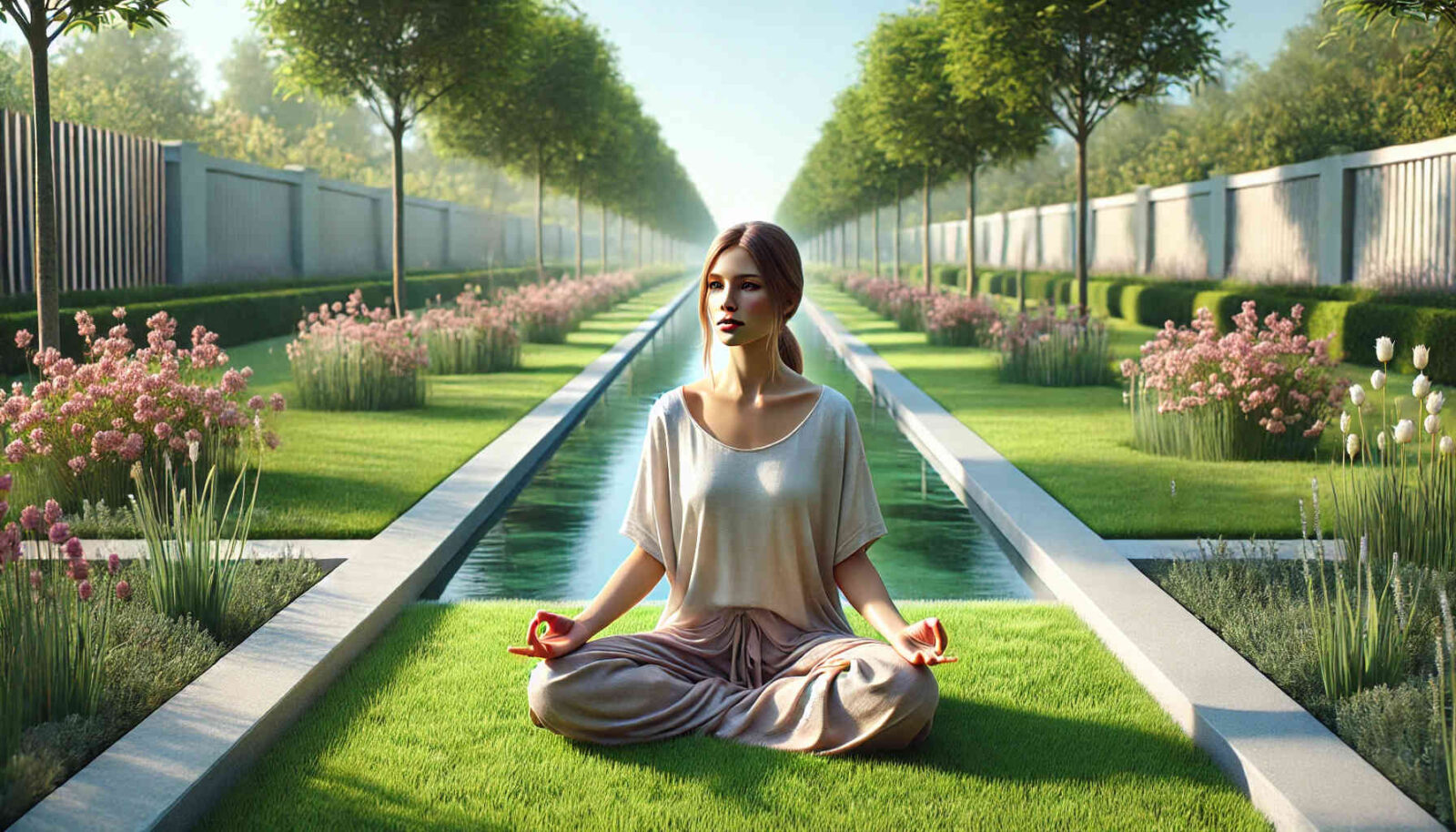
时间:11/29/2025 11/30/2025
地点:星海禅修中心
主讲:Sara
打坐参禅
呼吸与心念相融的进阶实践
呼吸是身心之间最直接、最稳定的桥梁。初学者多以呼吸作为专注对象,而进阶修习则不止于“观呼吸”,而是让呼吸与心念相互调谐、彼此融通。当心不再只是追随呼吸,而是与呼吸同频共振,觉知便从刻意用功转为自然安住,定与慧由此同步深化。
一、理解相融:不再分离呼吸与心
1.呼吸不是外在对象
在进阶阶段,呼吸不再被当作一个被观察的“东西”,而被体会为正在发生的生命过程。心不站在一旁观看,而是与呼吸同在同动。
2.心念随呼吸而调
呼吸的深浅、缓急,会直接影响心念的粗细与节奏。通过觉察呼吸,心自然趋向平稳,而非被强行控制。
3.相融不是用力维持
呼吸与心念的融合,并非持续用意志去抓住,而是在放松中自然显现。越用力,越容易分离。
二、由观入融:从专注走向合一
1.从数息到觉息
当数息已稳定,可放下计数,转为对整体呼吸过程的连续觉察,让心贴近而不干扰。
2.觉察呼吸的全程
从吸气的开始,到呼气的结束,心念始终相随,不插入评论,不制造间断。
3.让心安住在呼吸中
不只是“知道有呼吸”,而是让心停泊于呼吸的流动本身,形成柔和而持续的定。
4.避免细微的操控
察觉是否在无意中调整呼吸以追求舒适,若有,只需放松,回到自然。
三、心随息化:念头的细化与透明
1.念头在呼吸中变得稀薄
当呼吸平稳而觉知连续,粗重念头自然减少,心念逐渐细腻、透明。
2.不压制念头的出现
进阶修习并非消灭念头,而是在呼吸的承载下,让念头来而不扰、去而不留。
3.以呼吸承托觉知
呼吸如同稳定的底座,使觉知不随念头起伏而动摇。
4.体会“念而不随”
念头出现时,呼吸仍在,觉知仍在,心不再被牵走。
四、息心一如:定慧并行的展开
1.定从相融中自然生起
当心与呼吸不再分离,定不需刻意培养,便会自然稳固。
2.慧在清明中显现
在稳定的觉知中,呼吸、感受、念头的无常与无主性逐渐清晰。
3.避免停滞于轻安
相融阶段常伴随轻安与舒适,应持续保持觉知,而非沉溺其中。
4.动中仍保相融
将呼吸与心念的相融延伸至行走、站立、日常活动,使修行不断。
五、成熟的相融状态
1.呼吸自呼,心自明
无需刻意关注,呼吸自然进行,觉知自然清楚。
2.用功感逐渐消失
修习不再显得费力,而是稳定、平衡、持续。
3.外境不易扰乱
声音、感受、事务出现时,心仍与呼吸同在,不易散乱。
4.修行融入生活
呼吸与心念的相融,成为日常觉醒的基础,而非只存在于坐禅中。
总结
呼吸与心念相融的进阶实践,使修行从刻意专注转向自然安住。当呼吸不再只是对象,心不再只是观察者,觉知便在当下完整展开,定与慧由此并行而深长。
Date: 11/29/2025 11/30/2025
Location: Star Ocean Meditation Center
Teacher: Sara
Sitting Meditation
Advanced Practice of Integrating Breath and Mind
Breath is the most direct and reliable bridge between body and mind. Beginners often use breath as an object of attention, while advanced practice moves beyond mere observation toward integration. When mind and breath resonate as one process, awareness shifts from effortful focus to natural abiding, allowing concentration and insight to deepen together.
1. Understanding Integration: No Separation Between Breath and Mind
1.Breath is not an external object
At this stage, breath is experienced as a living process rather than something observed from outside. Mind participates instead of watching.
2.Mind settles with the breath
The rhythm of breathing directly shapes the texture of mind. By knowing the breath, the mind calms naturally without force.
3.Integration is not sustained by effort
Fusion of breath and mind arises through relaxation. Excess effort recreates separation.
2. From Observation to Integration
1.Moving from counting to sensing
Once counting stabilizes attention, it can be released in favor of continuous awareness of the breathing process.
2.Awareness of the entire cycle
From the beginning of inhalation to the end of exhalation, awareness remains unbroken and non-conceptual.
3.Resting the mind within breathing
Not merely knowing breath, but allowing the mind to dwell within its flow, cultivating gentle stability.
4.Avoiding subtle control
Notice any unconscious adjustment of breath for comfort and gently return to natural breathing.
3.Mind Refined Through Breath
1.Thoughts become lighter and fewer
With steady breathing and continuous awareness, coarse thinking diminishes and clarity increases.
2.No suppression of thought
Advanced practice allows thoughts to arise and pass without disturbance, held within breathing awareness.
3.Breath supports awareness
Breath functions as a stable ground, preventing awareness from being swept away by thoughts.
4.Experiencing “thought without following”
Thoughts arise while breath and awareness remain present and undisturbed.
4.Unification of Breath and Mind: Concentration and Insight Together
1.Stability arises naturally
When breath and mind are unified, concentration no longer needs to be forced.
2.Insight unfolds in clarity
Within stable awareness, impermanence and non-ownership of breath, sensation, and thought become evident.
3.Avoiding attachment to comfort
Ease and lightness may arise; awareness must remain alert rather than absorbed in pleasure.
4.Integration continues in movement
Carry breath–mind unity into walking, standing, and daily activity.
5.Maturity of Integration
1.Breath breathes, awareness knows
Breathing proceeds naturally while clarity remains effortless.
2.Sense of effort fades
Practice becomes balanced, continuous, and easeful.
3.External conditions lose disruptive power
Sounds and activities arise without breaking integration.
4.Practice becomes life
Breath–mind integration supports ongoing wakefulness beyond formal meditation.
Conclusion
Advanced integration of breath and mind transforms practice from deliberate focus into natural presence. When breath is no longer merely an object and mind no longer a watcher, awareness unfolds fully, allowing concentration and insight to mature together.