时间:05/22/2027 05/23/2027
地点:星海禅修中心
主讲:净诚
佛法修行
王者的德相
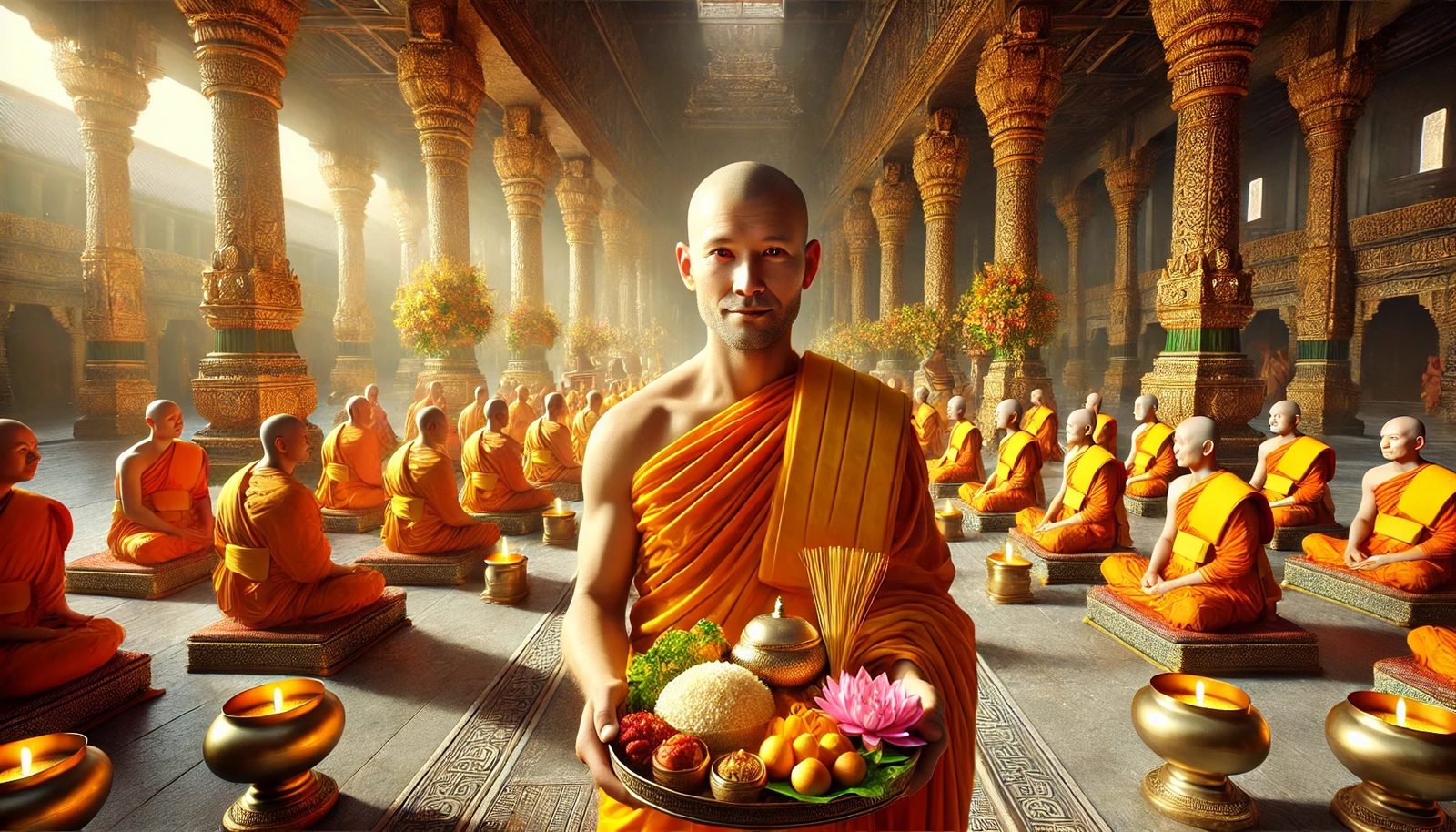
释迦牟尼佛成道后,初次带着弟子们回到故乡迦毗罗卫国弘法。所有的释迦族人见到从前的太子成佛了,威德巍巍,具足三十二相、八十种好,尊贵相好,不禁同声赞叹。
比丘们向佛禀告族人的赞叹,世尊告诉大众:「过去生中,我于族人之中,即是最尊贵庄严的人,不是只有这一世。」比丘们问:「可否请世尊为我们开示这段因缘呢?」佛即为大众娓娓道来:
过去无量劫前,有一位大国王,名叫令奴,统领了八万四千个小国,他有一万个大臣、五百位太子,以及二万名夫人、彩女。令奴王的皇后名叫提婆跋提,她最小的儿子有着殊胜的相好,身如紫磨金,发为绀青色,双手手掌各有千辐轮相,左足底有马形相,右足底有白象相。这些相好都是福德尊贵的象征,他依父母的名字,取名为提婆令奴。
后来令奴大王生了重病,临命终时,众人哀戚请示:「大王,若您驾崩,谁可以继承王位呢?」国王回答:「在诸位太子中,具足十种功德者,才可嗣立为王:一、身紫金色,其发绀青。二、两手掌中,有金轮相。三、其右足底,有白象相。四、其左足下,有马形相。五、着王衣服,与身相合,不大不小。六、坐王御座,威德巍巍,其坐安稳。七、诸王群臣欢喜礼敬,称善无量;入于后宫,夫人彩女,踊跃欢喜,作礼恭敬。八、至天祠,泥天木像皆对其恭敬作礼。九、由其福德威力,七宝神物如雨落下,满足一切所需。十、须为提婆跋提夫人之子。如果哪一个太子具足我所说的十种功德,便可立他为王。」话一说完,令奴大王随即驾崩。
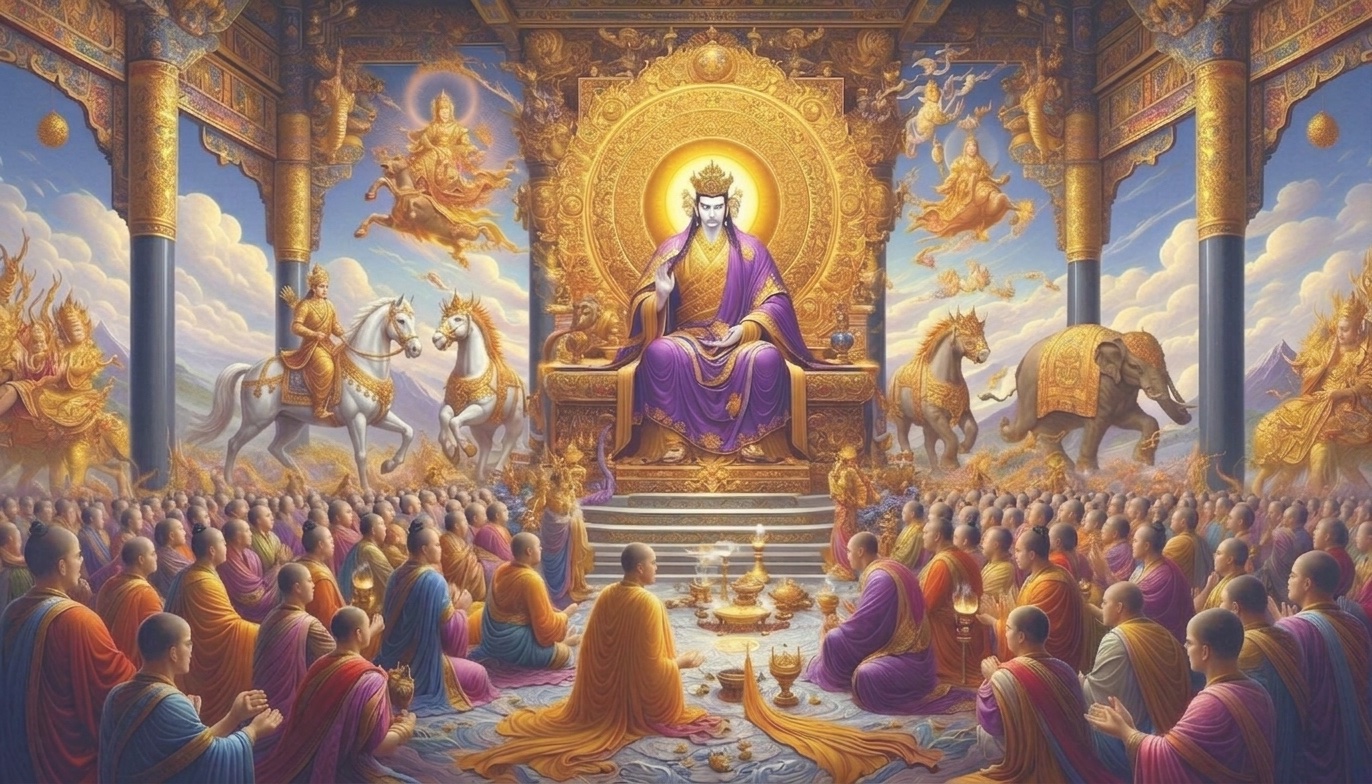
大臣们依照令奴大王的遗旨,从五百位太子中一一选拔。但从第一位到第四百九十九位太子,都没有人具足这十种功德,有的不具足相好,有的穿上国王的衣服,松垮垮地不合身;也有人坐上御座,座前的木狮子竟作势扑咬;有的人则是进到天祠,神明们理也不理;还有些太子不得众生缘,大家看了不欢喜。到最后,最小的太子提婆令奴,虽然排行最末,但只有他具足十种功德,于是所有人欢喜地立他为新王。
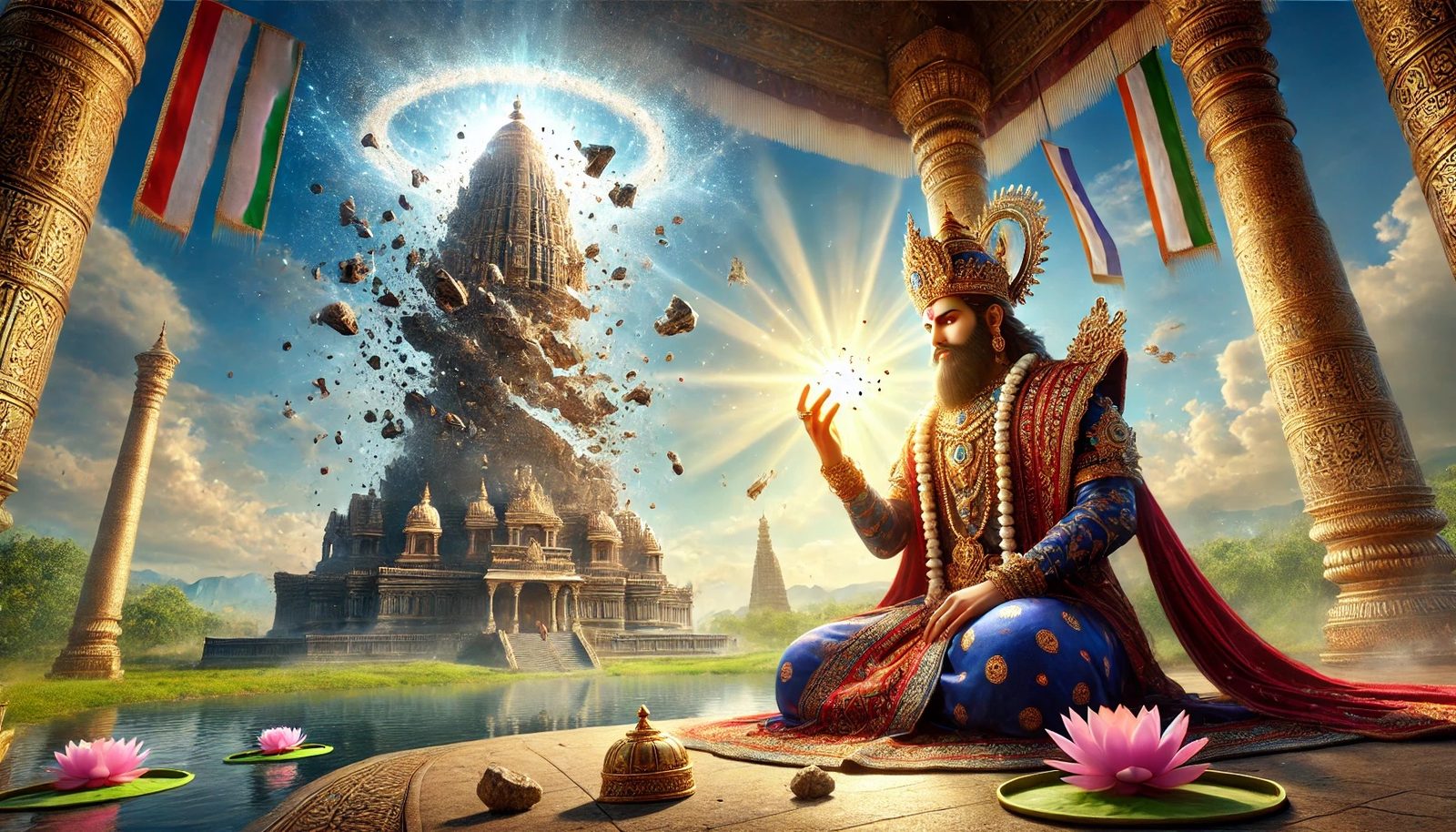
提婆令奴王登基的第十五天清晨,大殿上有七宝自然出现。首先是「金轮宝」从东方飞来,金轮具有一千个辐条,宽达一由旬。提婆令奴王说:「假若我的福德具足应当为王,金轮宝即臣服于我。」于是金轮宝果真如大王所言,来到宫殿前,停住于虚空中。接着,又有「白象宝」从香山来,大象身上的每一根毛都贯串着宝珠。白象可飞行于空中,一天之内即可遍行于四天下,足迹所到之处,瓦砾即成金沙。然后是「绀马宝」来,马的毛色如珍珠一般光泽,只要一顿饭的时间,就可以跑遍四天下,而且不会疲倦。第四种宝物是「神珠宝」。神珠宝散发的光明,不仅能远照二十里路,亦能落下七彩珍宝,满足一切应求。同时,「典藏臣」也出现了,他能知道天下宝藏所在之处,若是国王需要的宝物,他都能找到。而「玉女宝」也出现于殿中,顶礼国王。最后,还有「典兵臣」,国王需要军队时,典兵臣能在瞬间召集行阵严整、威猛善战的军队待命。
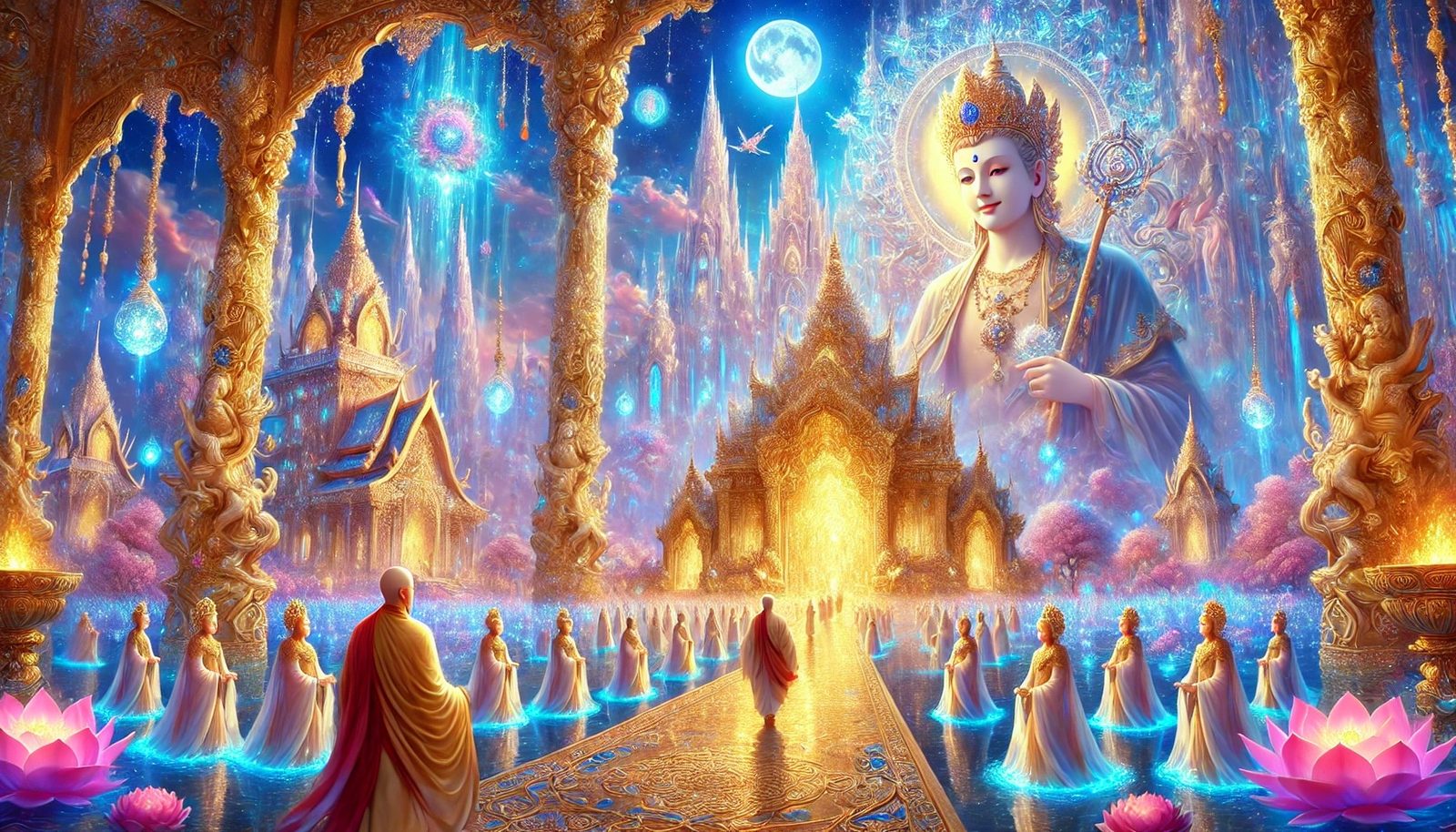
令奴王坐在王座上想着:「我今天能够得到王位,有这些福报,都是过去世勤修福德的缘故,今生应当继续勤修福德,使福德世世不绝。」所以,大王即以香汤沐浴,着新净衣,手执香炉,面向东方长跪祈请,说道:「东方的有道之士,请来受我供养。」乃至四方天下,王皆请之,结果共有六万辟支佛至王宫接受供养。其他八万四千小国王也和提婆令奴王一起供养修福。最后,大众都因为布施供养的福报,命终后生到天上。
佛陀开示完毕,问比丘们:「你们知道过去的这位令奴王是谁吗?就是我的父王白净王,提婆跋提夫人即是我母摩耶夫人,而提婆令奴王就是我。当时的五百位太子,即是今日五百位释迦族人。我过去生在诸人中,最尊最胜;今日成佛,在族里,仍是最具福德相好之人。」比丘们听完佛陀开示后,个个生起无上道心,有证须陀洹、斯陀含、阿那含及阿罗汉者,亦有发无上菩提心者,对于佛陀所说教法信受不渝,顶戴奉行。
Date: 05/22/2027 05/23/2027
Location: Star Ocean Meditation Center
Teacher: Jason
Dharma Talk
The Noble Marks of a King
After attaining enlightenment, the Buddha returned for the first time with his disciples to his homeland, Kapilavastu, to teach the Dharma. All the Śākya clan, seeing the former prince now become a Buddha, majestic and endowed with the thirty-two marks and eighty excellent qualities, could not help but praise him in unison.
The bhikṣus reported these praises to the Buddha. The World-Honored One told them, “In past lives, among my clan, I was already the most noble and adorned, not only in this life.” The bhikṣus requested the cause, and the Buddha explained:
In countless past kalpas, there was a great king named Lingnu who ruled over eighty-four thousand smaller kingdoms. He had ten thousand ministers, five hundred princes, and twenty thousand consorts. His queen, Devabhadrā, bore a youngest son endowed with extraordinary marks: a body like purple-gold, dark blue hair, thousand-spoked wheel marks on both palms, a horse mark on the left sole, and a white elephant mark on the right. These were signs of supreme merit, and he was named Deva-Lingnu.
Later, King Lingnu fell gravely ill. Before his death, he declared that only a prince possessing ten virtues should inherit the throne, including physical marks, proper bearing, universal reverence, divine acknowledgment, and the descent of the seven treasures. After speaking, he passed away.
The ministers examined all five hundred princes, but none fulfilled all conditions except the youngest, Deva-Lingnu. Thus, he was enthroned.
On the fifteenth day after his coronation, the seven treasures appeared: the golden wheel, the white elephant, the blue horse, the wish-fulfilling jewel, the treasurer minister, the jade maiden, and the general. These manifested in response to his merit.
Reflecting that his blessings arose from past virtuous deeds, the king resolved to continue cultivating merit. He invited sages from all directions, and sixty thousand pratyekabuddhas came to receive offerings. Together with the kings of the smaller realms, they cultivated merit, and after death were reborn in the heavens.
The Buddha concluded, “That King Lingnu was my father, King Śuddhodana; Queen Devabhadrā was my mother, Māyā; and Prince Deva-Lingnu was myself. The five hundred princes are now the Śākya clan. In past lives and now, I am foremost among them in merit and marks.”
Hearing this, the bhikṣus generated supreme aspiration. Some attained the fruits from Stream-entry to Arhatship, while others aroused the mind of supreme enlightenment, faithfully upholding the Buddha’s teaching.