时间:03/29/2025 03/30/2025
地点:星海禅修中心
主讲:Otto Huang
斋食养生
核桃
核桃:大脑与心血管健康的天然坚果
一、核桃是什么?
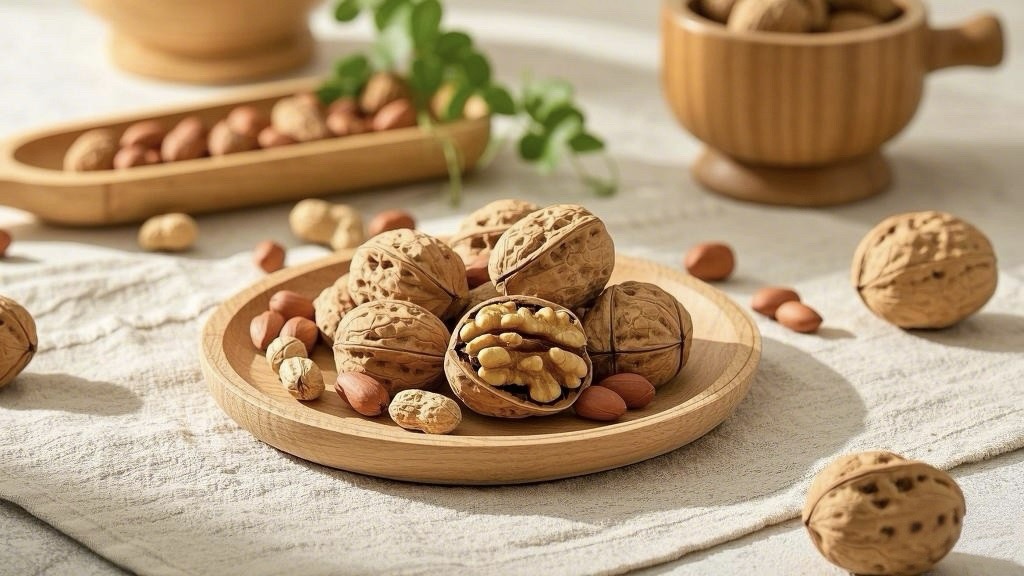
核桃(学名 Juglans regia)是一种坚果,属于胡桃科植物。其外壳坚硬,内部果仁呈现独特的脑状纹理,因此常被认为对大脑健康有益。核桃原产于中亚地区,如今已广泛种植于世界各地。它味道醇厚,质地酥脆,适合作为零食或添加到各种菜肴中。
二、核桃的营养价值
核桃富含健康脂肪、蛋白质、维生素和矿物质,是极具营养价值的坚果。主要营养成分包括:
1.Omega-3脂肪酸:有助于保护心血管健康,减少炎症。
2.蛋白质:提供植物性优质蛋白,帮助维持肌肉健康。
3.膳食纤维:促进肠道蠕动,改善消化功能。
4.维生素E:强效抗氧化,有助于保护细胞免受氧化损伤。
5.镁:支持神经系统健康,有助于缓解压力和改善睡眠质量。
三、核桃的健康益处
1.促进大脑健康:Omega-3脂肪酸有助于提升认知能力,预防脑部退化。
2.保护心血管:健康脂肪有助于降低胆固醇水平,减少心血管疾病风险。
3.增强免疫力:抗氧化成分有助于减少体内炎症,提高身体抵抗力。
4.改善消化功能:膳食纤维有助于维持肠道健康,预防便秘。
5.有助于体重管理:适量食用能增加饱腹感,减少不必要的热量摄入。
四、核桃的食用方式
1.生吃核桃:保留原始风味,富含完整营养。
2.烤核桃:烘烤后口感更香脆,适合作为零食。
3.核桃粉:研磨成粉,可加入粥、豆浆或植物奶中增强营养。
4.核桃搭配水果或沙拉:提升风味并增强营养价值。
5.核桃入菜:可用于炒菜或炖汤,增加口感和营养。
五、关于核桃的小知识
如何挑选优质核桃?
选择外壳坚硬、无裂纹、无异味的核桃,仁肉饱满者为佳。
核桃需要去皮吗?
核桃仁外层的薄皮含有抗氧化物质,适量食用对健康有益。
核桃适合每日食用吗?
适量食用对健康有益,建议每日摄取约30克(约一小把)。
总结
核桃是一种富含Omega-3脂肪酸、蛋白质、膳食纤维和抗氧化物质的健康坚果。适量食用核桃不仅能促进大脑健康,还能保护心血管、增强免疫力、改善消化功能,并帮助体重管理。无论是生吃、烘烤、研磨成粉,还是搭配水果或入菜,核桃都是健康饮食的理想选择。
Date: 03/29/2025 03/30/2025
Location: Star Ocean Meditation Center
Teacher: Otto Huang
Buddhist Diet and Regimen
Walnut
Walnut: A Natural Superfood for Brain and Heart Health
1. What is a Walnut?
Walnut (Juglans regia) is a nutrient-dense tree nut from the Juglandaceae family. It has a hard shell with a distinctive brain-like kernel inside, often associated with cognitive benefits. Originally from Central Asia, walnuts are now cultivated worldwide. They have a rich, nutty flavor and a crunchy texture, making them a popular snack and cooking ingredient.
2. Nutritional Value of Walnuts
Walnuts are rich in healthy fats, protein, vitamins, and minerals, offering exceptional nutritional benefits. Key nutrients include:
1.Omega-3 Fatty Acids: Support heart health and reduce inflammation.
2.Protein: Provides high-quality plant-based protein for muscle maintenance.
3.Dietary Fiber: Aids digestion and promotes gut health.
4.Vitamin E: A powerful antioxidant that protects cells from oxidative damage.
5.Magnesium: Supports nervous system function and helps reduce stress.
3. Health Benefits of Walnuts
1.Enhances Brain Function: Omega-3 fatty acids improve cognitive health and may prevent neurodegeneration.
2.Protects Heart Health: Healthy fats help lower cholesterol levels and reduce cardiovascular disease risk.
3.Boosts Immunity: Antioxidants and anti-inflammatory compounds strengthen the immune system.
4.Aids Digestion: Dietary fiber promotes regular bowel movements and gut health.
5.Supports Weight Management: Provides satiety, reducing unnecessary calorie intake.
4. Best Ways to Eat Walnuts
1.Raw Walnuts: Consumed as a snack for maximum nutrition.
2.Roasted Walnuts: Enhances crunchiness and flavor, making them a tasty snack.
3.Walnut Powder: Ground and added to porridge, smoothies, or plant-based milk for extra nutrients.
4.Walnut and Fruit Salad: A delicious combination for added texture and nutrition.
5.Walnuts in Cooking: Used in stir-fries or soups to enhance flavor and nutrient content.
5. Interesting Facts About Walnuts
How to Choose the Best Walnuts?
Look for firm, uncracked shells with no signs of mold or rancidity.
Should Walnuts Be Peeled?
The thin skin on walnut kernels contains antioxidants and is beneficial for health.
Can Walnuts Be Eaten Daily?
Yes, moderate consumption (about 30g per day) is recommended for optimal health benefits.
Conclusion
Walnuts are a superfood rich in Omega-3 fatty acids, protein, fiber, and antioxidants. Regular consumption supports brain health, cardiovascular function, immune strength, digestion, and weight management. Whether eaten raw, roasted, ground into powder, or incorporated into dishes, walnuts are a versatile and nutritious addition to a healthy diet.