时间:04/05/2025 04/06/2025
地点:星海禅修中心
主讲:Otto Huang
斋食养生
花生
花生:高蛋白高能量的健康坚果
一、花生是什么?
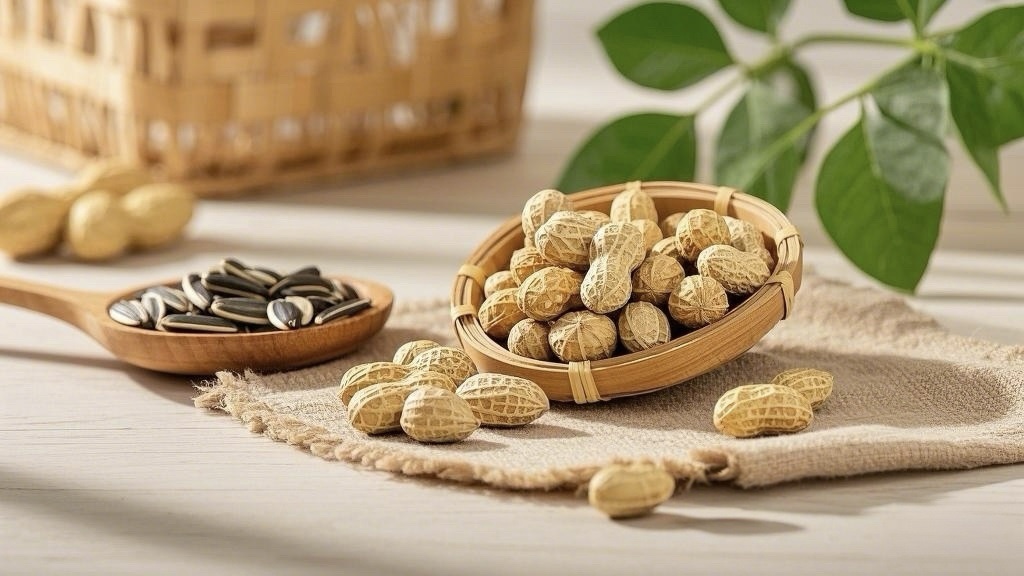
花生(学名 Arachis hypogaea),又称落花生,是一种常见的豆科植物,其果实生长在地下,因此得名。花生口感香脆,营养丰富,是素食者重要的植物蛋白来源之一。它可以生吃、烘烤、煮食、研磨成花生酱或用于烘焙食品,是日常饮食中不可或缺的健康食材。
二、花生的营养价值
花生富含优质植物蛋白、不饱和脂肪酸、多种维生素和矿物质,具有极高的营养价值。主要营养成分包括:
1.物蛋白:含量丰富,有助于维持肌肉和组织健康。
2.不饱和脂肪酸:有助于降低坏胆固醇,保护心血管健康。
3.膳食纤维:促进肠道健康,帮助消化,改善肠道菌群平衡。
4.维生素E:抗氧化物质,有助于延缓衰老,保护皮肤健康。
5.镁和钾:帮助维持神经系统平衡,调节血压。
三、花生的健康益处
1.促进心血管健康:富含不饱和脂肪酸,有助于降低胆固醇水平,减少心血管疾病风险。
2.增强免疫力:花生中的抗氧化物质有助于提高机体抵抗力。
3.有助于控制血糖:膳食纤维和健康脂肪有助于稳定血糖水平。
4.支持大脑健康:富含B族维生素,有助于神经系统健康,提高记忆力和专注力。
5.提供持久能量:复合碳水化合物和蛋白质能提供稳定的能量供应,适合作为日常健康零食。
四、花生的食用方式
1.生花生:直接食用,口感香甜,保留完整营养。
2.烘烤花生:味道更浓郁,适合作为健康零食。
3.水煮花生:口感软糯,减少油脂摄入。
4.花生酱:可涂抹面包或搭配燕麦,提供丰富的蛋白质和健康脂肪。
5.花生炖菜:与豆类、菌菇等慢炖,增加汤品的营养价值。
五、关于花生的小知识
如何挑选优质花生?
选择表皮光滑、颗粒饱满、无霉变的花生最佳。
花生适合每天食用吗?
适量食用对健康有益,建议每日摄取30克左右。
花生是否容易引起过敏?
是的,部分人群对花生过敏,应避免食用。
总结
花生是一种高蛋白、高能量的健康食材,富含不饱和脂肪酸、维生素E、膳食纤维和多种矿物质。适量食用花生不仅能促进心血管健康、增强免疫力、稳定血糖,还能支持大脑功能并提供持久能量。无论是生吃、烘烤、煮食还是制作花生酱,花生都是健康饮食的理想选择。
Date: 04/05/2025 04/06/2025
Location: Star Ocean Meditation Center
Teacher: Otto Huang
Buddhist Diet and Regimen
Peanuts
Peanuts: A High-Protein and Energy-Rich Superfood
1. What are Peanuts?
Peanuts (Arachis hypogaea), also known as groundnuts, belong to the legume family but are commonly classified as nuts due to their nutritional profile. Unlike tree nuts, peanuts grow underground, which gives them their name. Peanuts are crunchy, flavorful, and rich in nutrients, making them an essential plant-based protein source. They can be eaten raw, roasted, boiled, made into peanut butter, or used in various culinary dishes.
2. Nutritional Value of Peanuts
Peanuts are packed with high-quality protein, healthy fats, essential vitamins, and minerals. Key nutrients include:
1.Plant-Based Protein: Supports muscle maintenance and overall body function.
2.Healthy Fats (Unsaturated Fatty Acids): Helps reduce bad cholesterol and promotes heart health.
3.Dietary Fiber: Aids digestion and supports a healthy gut microbiome.
4.Vitamin E: A powerful antioxidant that protects skin and slows aging.
5.Magnesium and Potassium: Helps regulate nerve function and maintain blood pressure balance.
3. Health Benefits of Peanuts
1.Supports Heart Health: Rich in unsaturated fats, which help lower cholesterol and reduce cardiovascular risk.
2.Boosts Immunity: Contains antioxidants that enhance immune defense.
3.Helps Regulate Blood Sugar: Dietary fiber and healthy fats contribute to stable blood sugar levels.
4.Enhances Brain Function: High in B vitamins, which support nerve health, memory, and focus.
5.Provides Long-Lasting Energy: A great source of sustained energy, ideal for snacks and meal supplements.
4. Best Ways to Eat Peanuts
1.Raw Peanuts: Consumed as a snack to retain their natural nutrients.
2.Roasted Peanuts: Enhances flavor and crunch, making them a delicious, healthy treat.
3.Boiled Peanuts: Soft texture with reduced fat content, offering a different taste experience.
4.Peanut Butter: Spread on bread or mixed with oatmeal for a protein-rich meal.
5.Peanut-Based Stews: Cooked with legumes and mushrooms for a nutrient-packed dish.
5. Interesting Facts About Peanuts
How to Choose the Best Peanuts?
Look for smooth, plump peanuts with no mold or discoloration.
Can Peanuts Be Eaten Daily?
Yes, but in moderation—around 30 grams per day is ideal.
Are Peanuts Allergenic?
Yes, some individuals have peanut allergies and should avoid consumption.
Conclusion
Peanuts are a high-protein, energy-rich superfood loaded with healthy fats, vitamin E, fiber, and essential minerals. Regular consumption supports heart health, immunity, blood sugar balance, and brain function while providing long-lasting energy. Whether eaten raw, roasted, boiled, or as peanut butter, peanuts are a nutritious and versatile addition to any diet.