时间:08/16/2025 08/17/2025
地点:星海禅修中心
主讲:Otto Huang
斋食养生
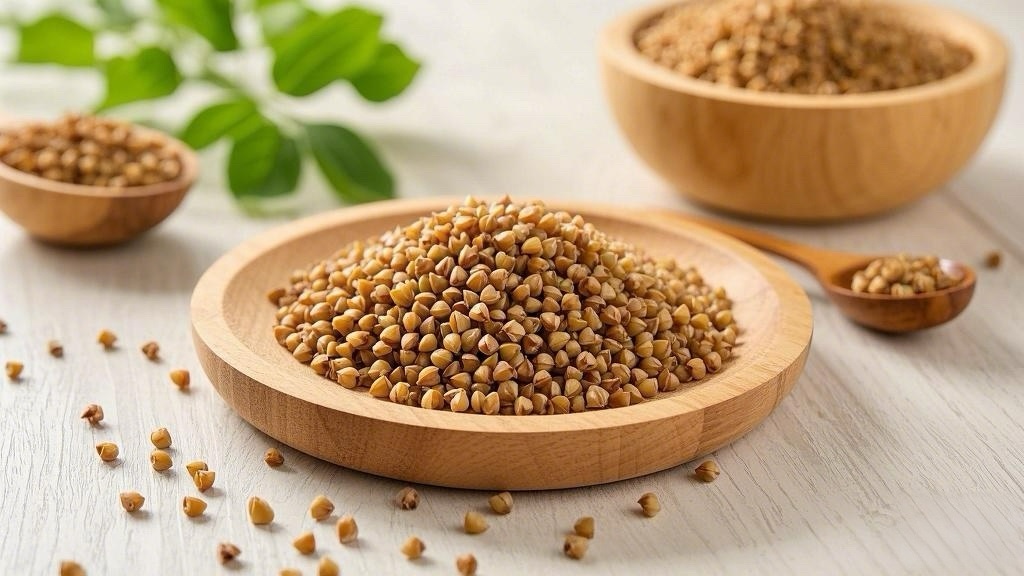
荞麦
荞麦:富含蛋白质与膳食纤维的全谷物
一、荞麦是什么?
荞麦(学名 Fagopyrum esculentum)是一种伞形花科的粮食作物,虽被称为“麦”,但并非真正的小麦,而是一种富含营养的全谷物。荞麦的籽粒可用于制作荞麦面、粥或烘焙食品,在亚洲和欧洲饮食文化中占有重要地位。
二、荞麦的营养价值
荞麦是一种高蛋白、高纤维、富含多种矿物质的健康粮食。主要营养成分包括:
1.优质植物蛋白:含有多种必需氨基酸,如赖氨酸,有助于维持肌肉健康。
2.膳食纤维:促进肠道蠕动,改善消化系统健康。
3.镁:有助于调节血压,支持心血管健康。
4.铁:支持血红蛋白合成,帮助预防贫血。
5.抗氧化物质(如芦丁):有助于增强血管弹性,减少自由基损害。
三、荞麦的健康益处
1.支持心血管健康:富含镁和芦丁,有助于调节血压,增强血管弹性。
2.帮助控制血糖:低升糖指数(GI)食材,有助于维持血糖稳定。
3.促进消化健康:高膳食纤维可促进肠道蠕动,减少便秘问题。
4.增强免疫力:富含抗氧化物质和必需氨基酸,有助于提高身体抵抗力。
5.有助于体重管理:高纤维和高蛋白特性可增加饱腹感,减少过量饮食。
四、荞麦的食用方式
1.荞麦粥:与小米或糙米一起熬煮,口感醇厚,易于消化。
2.荞麦面:制成面条,可凉拌或热汤食用,清爽可口。
3.炒荞麦米:干炒后泡水或煮食,增加坚果风味。
4.荞麦饼:将荞麦粉烘焙成饼,作为健康主食或零食。
5.荞麦茶:炒制后的荞麦冲泡成茶,具有淡淡的坚果香气。
五、关于荞麦的小知识
如何挑选优质荞麦?
选择颜色均匀、无杂质、无霉变的荞麦。
荞麦适合哪些人群?
适合血糖控制人群、素食者以及需要补充膳食纤维的人。
荞麦是否含有麸质?
不含麸质,是无麸质饮食的良好选择。
总结
荞麦是一种高蛋白、高纤维、富含抗氧化物质的全谷物食品。适量食用荞麦可促进消化、帮助血糖管理、支持心血管健康,并增强免疫力。无论是煮粥、制作面条还是冲泡成茶,荞麦都是健康饮食的理想选择。
Date: 08/16/2025 08/17/2025
Location: Star Ocean Meditation Center
Teacher: Otto Huang
Buddhist Diet and Regimen
Buckwheat
Buckwheat: A Protein-Rich and Fiber-Packed Whole Grain
1. What is Buckwheat?
Buckwheat (Fagopyrum esculentum) is a nutrient-dense pseudocereal that belongs to the Polygonaceae family. Despite its name, it is not related to wheat but is considered a highly nutritious whole grain. Buckwheat seeds are used in porridge, noodles, and baked goods, making it a staple in Asian and European diets.
2. Nutritional Value of Buckwheat
Buckwheat is rich in protein, fiber, and essential minerals, making it a healthy dietary choice. Key nutrients include:
1.High-Quality Plant Protein: Contains essential amino acids, such as lysine, which support muscle health.
2.Dietary Fiber: Promotes digestion and gut health.
3.Magnesium: Helps regulate blood pressure and supports cardiovascular health.
4.Iron: Aids in hemoglobin production and helps prevent anemia.
5.Antioxidants (such as Rutin): Strengthens blood vessels and reduces oxidative stress.
3. Health Benefits of Buckwheat
1.Supports Heart Health: Rich in magnesium and rutin, which help regulate blood pressure and improve circulation.
2.Helps Regulate Blood Sugar: Low glycemic index (GI) food that stabilizes blood sugar levels.
3.Aids Digestion: High fiber content promotes bowel movements and reduces constipation.
4.Boosts Immunity: Antioxidants and essential amino acids enhance immune function.
5.Assists in Weight Management: High fiber and protein content increase satiety, reducing overeating.
4. Best Ways to Eat Buckwheat
1.Buckwheat Porridge: Cooked with millet or brown rice for a hearty and digestible meal.
2.Buckwheat Noodles: Served cold or in soup, offering a refreshing and nutritious dish.
3.Toasted Buckwheat Groats: Dry roasted for a nutty flavor and then boiled or soaked.
4.Buckwheat Pancakes: Ground into flour and used for baking nutritious pancakes.
5.Buckwheat Tea: Toasted buckwheat steeped in hot water for a mild, nutty-flavored tea.
5. Interesting Facts About Buckwheat
How to Choose the Best Buckwheat?
Look for evenly colored, impurity-free, and mold-free grains.
Who Should Eat Buckwheat?
Ideal for people managing blood sugar, vegetarians, and those needing more fiber.
Is Buckwheat Gluten-Free?
Yes, buckwheat is naturally gluten-free and suitable for gluten-sensitive diets.
Conclusion
Buckwheat is a protein-rich, fiber-packed whole grain with antioxidants and essential nutrients. Regular consumption supports digestion, heart health, blood sugar management, and immunity. Whether cooked as porridge, made into noodles, or brewed into tea, buckwheat is a versatile and nutritious addition to a healthy diet.