时间:11/08/2025 11/09/2025
地点:星海禅修中心
主讲:Otto Huang
斋食养生
苦苣
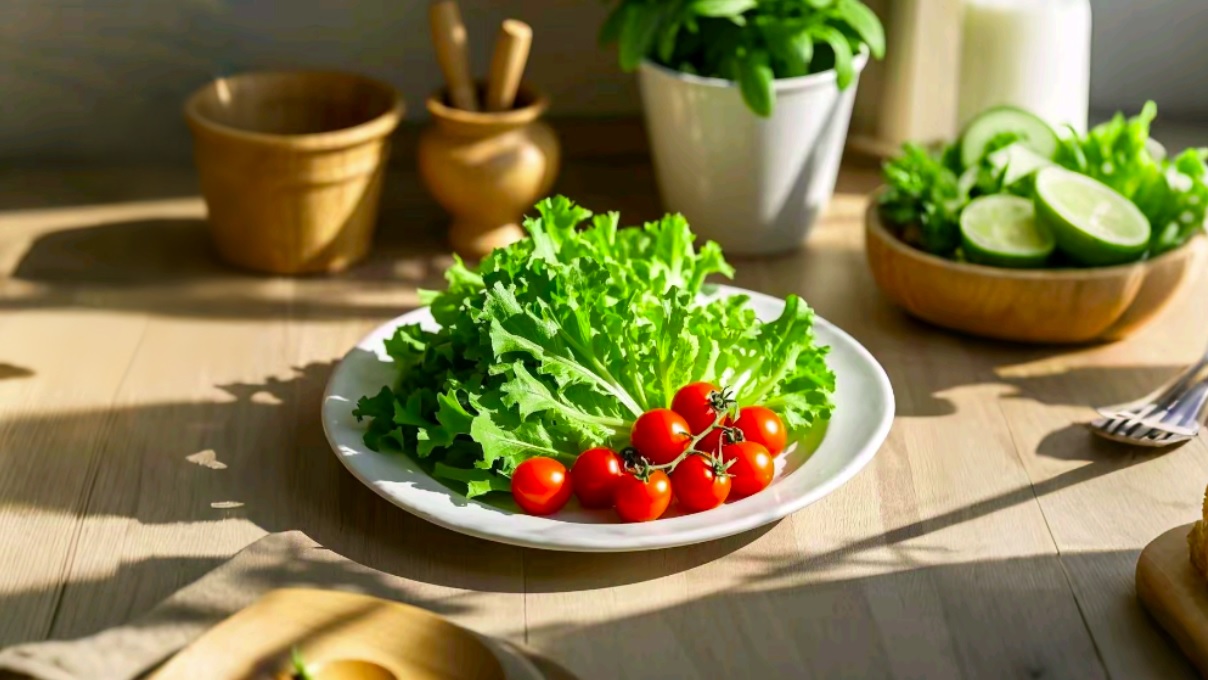
苦苣:富含膳食纤维与抗氧化物的健康绿叶蔬菜
一、苦苣是什么?
苦苣(学名 Lactuca indica),是一种菊科植物,因叶片带有苦味而得名。苦苣原产于亚洲,广泛种植于中国、日本和东南亚。其叶片质地脆嫩,味道微苦且回甘,常用于凉拌、生食或清炒,是一种营养丰富的健康绿叶蔬菜。
二、苦苣的营养价值
苦苣是一种低热量、高营养的蔬菜,富含多种维生素、矿物质和抗氧化物质。主要营养成分包括:
1.膳食纤维:促进肠道蠕动,帮助消化健康。
2.维生素C:增强免疫力,帮助抗氧化和促进皮肤健康。
3.β-胡萝卜素:可转化为维生素A,保护视力和增强抗氧化能力。
4.钾:有助于维持体液平衡,调节血压。
5.类黄酮及多酚:天然抗氧化物,有助于减少自由基损害,保护心血管健康。
三、苦苣的健康益处
1.促进消化健康:富含膳食纤维,帮助维持肠道菌群平衡,减少便秘问题。
2.增强免疫力:高含量的维生素C有助于提高机体抵抗力。
3.保护心血管健康:富含钾和抗氧化物,能帮助调节血压,降低心血管疾病风险。
4.促进肝脏健康:微苦成分有助于刺激肝胆分泌,促进代谢。
5.帮助体重管理:低热量、高纤维的特性有助于增加饱腹感,减少热量摄入。
四、苦苣的食用方式
1.凉拌苦苣:搭配坚果、柠檬汁、橄榄油等调味,保留清脆口感。
2.苦苣炒菜:简单翻炒,味道微苦且回甘。
3.苦苣沙拉:与其他蔬菜、水果混合,提升风味。
4.苦苣煮汤:与豆腐、菌菇等炖煮,营养丰富。
5.苦苣果汁:与苹果、柠檬等一起榨汁,改善口感,增强营养价值。
五、关于苦苣的小知识
如何挑选优质苦苣?
选择叶片鲜绿、无黄斑、无腐烂的苦苣。
苦苣的苦味可以去除吗?
轻微焯水或搭配酸甜调味料可减少苦味。
苦苣适合天天食用吗?
适量食用有益健康,每天50-100克即可满足营养需求。
总结
苦苣是一种富含维生素C、膳食纤维、β-胡萝卜素和抗氧化物的健康绿叶蔬菜。适量食用苦苣有助于促进消化、增强免疫力、保护心血管健康,并帮助肝脏代谢和体重管理。无论是凉拌、生食、炒制还是煮汤,苦苣都是健康饮食的理想选择。
Date: 11/08/2025 11/09/2025
Location: Star Ocean Meditation Center
Teacher: Otto Huang
Buddhist Diet and Regimen
Bitter Lettuce
Bitter Lettuce: A Nutrient-Dense Leafy Green Rich in Fiber and Antioxidants
1. What is Bitter Lettuce?
Bitter lettuce (Lactuca indica) is a leafy vegetable from the Asteraceae family, known for its slightly bitter taste. Native to Asia, it is commonly grown in China, Japan, and Southeast Asia. With crisp leaves and a mildly bitter yet refreshing flavor, bitter lettuce is widely used in salads, stir-fries, and soups as a nutritious and healthy food choice.
2. Nutritional Value of Bitter Lettuce
Bitter lettuce is a low-calorie, high-nutrient vegetable rich in vitamins, minerals, and antioxidants. Key nutrients include:
1.Dietary Fiber: Aids digestion and promotes gut health.
2.Vitamin C: Strengthens immunity, acts as an antioxidant, and promotes skin health.
3.Beta-Carotene: Converts into vitamin A to support vision and provide antioxidant benefits.
4.Potassium: Helps regulate blood pressure and maintain fluid balance.
5.Flavonoids and Polyphenols: Natural antioxidants that protect against free radical damage and support heart health.
3. Health Benefits of Bitter Lettuce
1.Aids Digestive Health: High fiber content supports gut bacteria balance and prevents constipation.
2.Boosts Immunity: Rich in vitamin C and antioxidants, enhancing the body’s defense system.
3.Supports Heart Health: High in potassium and antioxidants, helping regulate blood pressure and reduce cardiovascular risks.
4.Promotes Liver Health: Bitter compounds stimulate bile secretion and support metabolism.
5.Aids in Weight Management: Low in calories and high in fiber, increasing satiety while reducing calorie intake.
4. Best Ways to Eat Bitter Lettuce
1.Cold Bitter Lettuce Salad: Mixed with nuts, lemon juice, and olive oil for a fresh taste.
2.Stir-Fried Bitter Lettuce: Lightly sautéed to balance its bitterness.
3.Bitter Lettuce Salad: Combined with other greens and fruits for enhanced flavor.
4.Bitter Lettuce Soup: Cooked with tofu and mushrooms for a nutrient-rich broth.
5.Bitter Lettuce Juice: Blended with apple and lemon to improve taste and nutrition.
5. Interesting Facts About Bitter Lettuce
How to Choose the Best Bitter Lettuce?
Look for fresh, dark green leaves without yellow spots or wilting.
Can the Bitter Taste Be Reduced?
Yes, blanching or pairing with acidic and sweet dressings can help reduce bitterness.
Is It Safe to Eat Bitter Lettuce Daily?
Yes, moderate daily consumption (50-100g) provides essential nutrients for overall health.
Conclusion
Bitter lettuce is a nutrient-rich, fiber-packed, and antioxidant-loaded leafy green. Regular consumption supports digestion, immunity, heart health, liver function, and weight management. Whether eaten raw in salads, stir-fried, or added to soups, bitter lettuce is a flavorful and healthy addition to a balanced diet.