时间: 12/09/2023 12/10/2023
地点:星海禅修中心
主讲:妙行
佛法知识
佛法是不是宗教
佛法是不是宗教,这是一个在现代社会中经常被讨论的问题。许多人在接触佛法时,会发现它既像宗教,又不同于一般意义上的宗教,因此产生疑惑。要理解这个问题,不能只用单一的定义来判断,而需要从思想内容、实践方式以及社会形态等多个角度来看待佛法。
从一般概念上说,宗教往往以对神或超自然力量的信仰为核心,强调信仰对象、崇拜仪式以及神圣权威。而佛法的出发点并不在于对神的信仰。佛陀并未自称创造者或主宰者,也没有宣称世界由某个神意安排。佛法关注的重点是生命的苦、苦的原因以及如何止息苦,这使它在根本关怀上更接近对人生问题的探究。
佛法强调觉悟与理解,而不是信仰的服从。佛陀教导人们通过观察自身的身心经验,认识无常、因缘和执着如何导致烦恼。这种认识并不是靠相信某种教条获得的,而是通过思考、体会与实践逐渐形成的。因此,从思想核心来看,佛法更像一条觉悟之道,而非以信仰为中心的宗教体系。
然而,从历史与社会的角度来看,佛法确实以宗教的形式存在。随着时间的发展,佛法形成了佛教这一完整的宗教传统,拥有经典、僧团、戒律、仪式和制度。在不同文化背景下,佛教也与当地信仰和习俗结合,展现出多样化的宗教面貌。这一层面使佛法不可避免地具有宗教属性。
需要注意的是,佛法的宗教性并不要求排他性的信仰。一个人不必宣称自己是佛教徒,也可以学习和实践佛法的核心思想。佛陀曾鼓励人们理性地检验教法是否真正减少烦恼、增长智慧,而不是因为权威或传统而接受。这种开放性,使佛法在宗教中显得相当独特。
在修行实践上,佛法关注的是心的训练,而不是宗教身份的确立。持戒、专注、觉察、培养慈悲,这些修行方法可以在任何生活情境中进行。无论是僧侣还是普通人,无论是否参与宗教仪式,都可以在日常生活中实践佛法,这使佛法超越了狭义宗教的限制。
在现代社会中,许多人将佛法视为一种心灵训练或生命智慧,而非宗教信仰。这并不意味着否定佛教的宗教形式,而是强调佛法可以在不同层面被理解和运用。它既能作为宗教支撑人的信仰生活,也能作为实践方法帮助人应对压力、情绪和困惑。
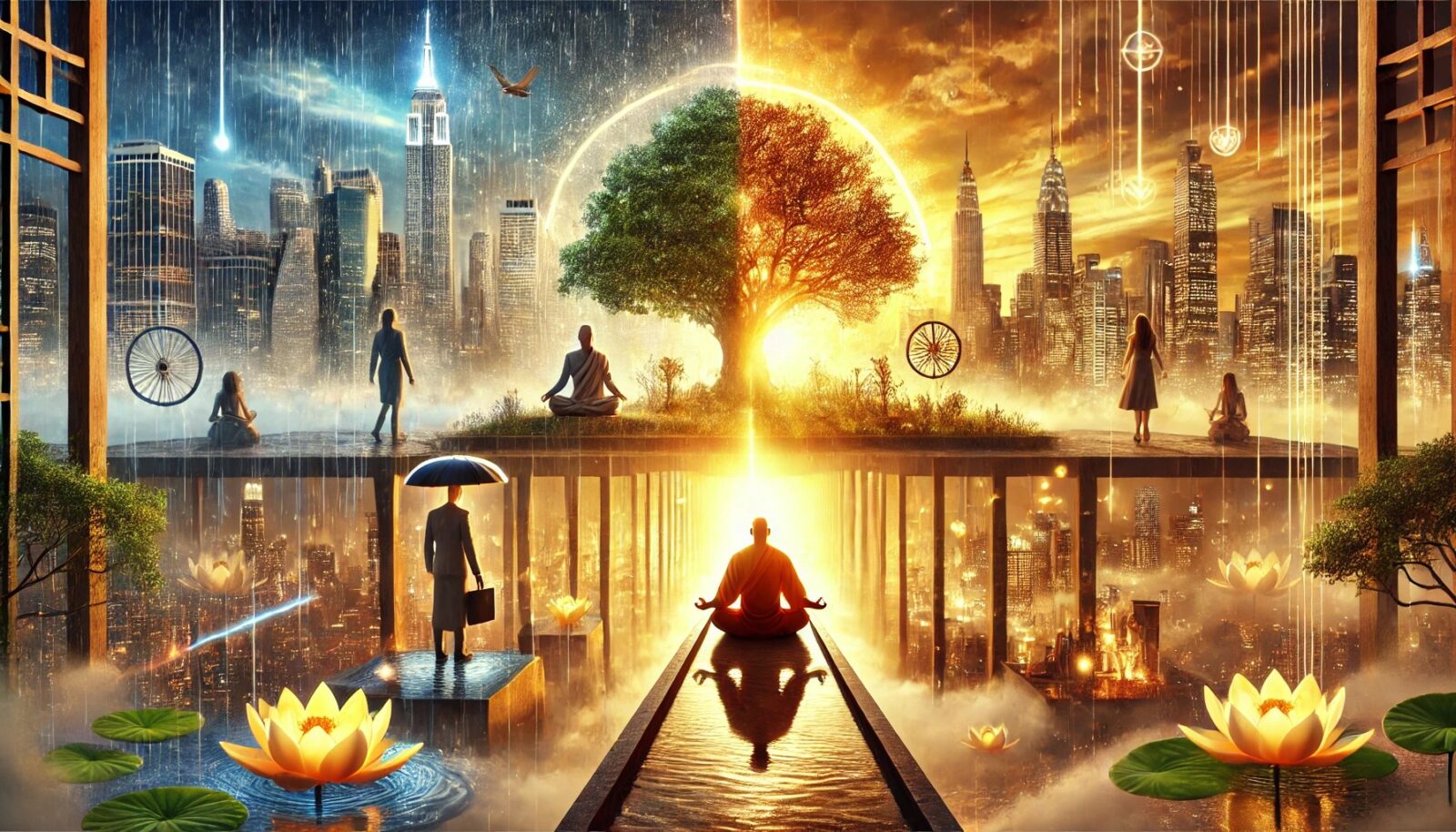
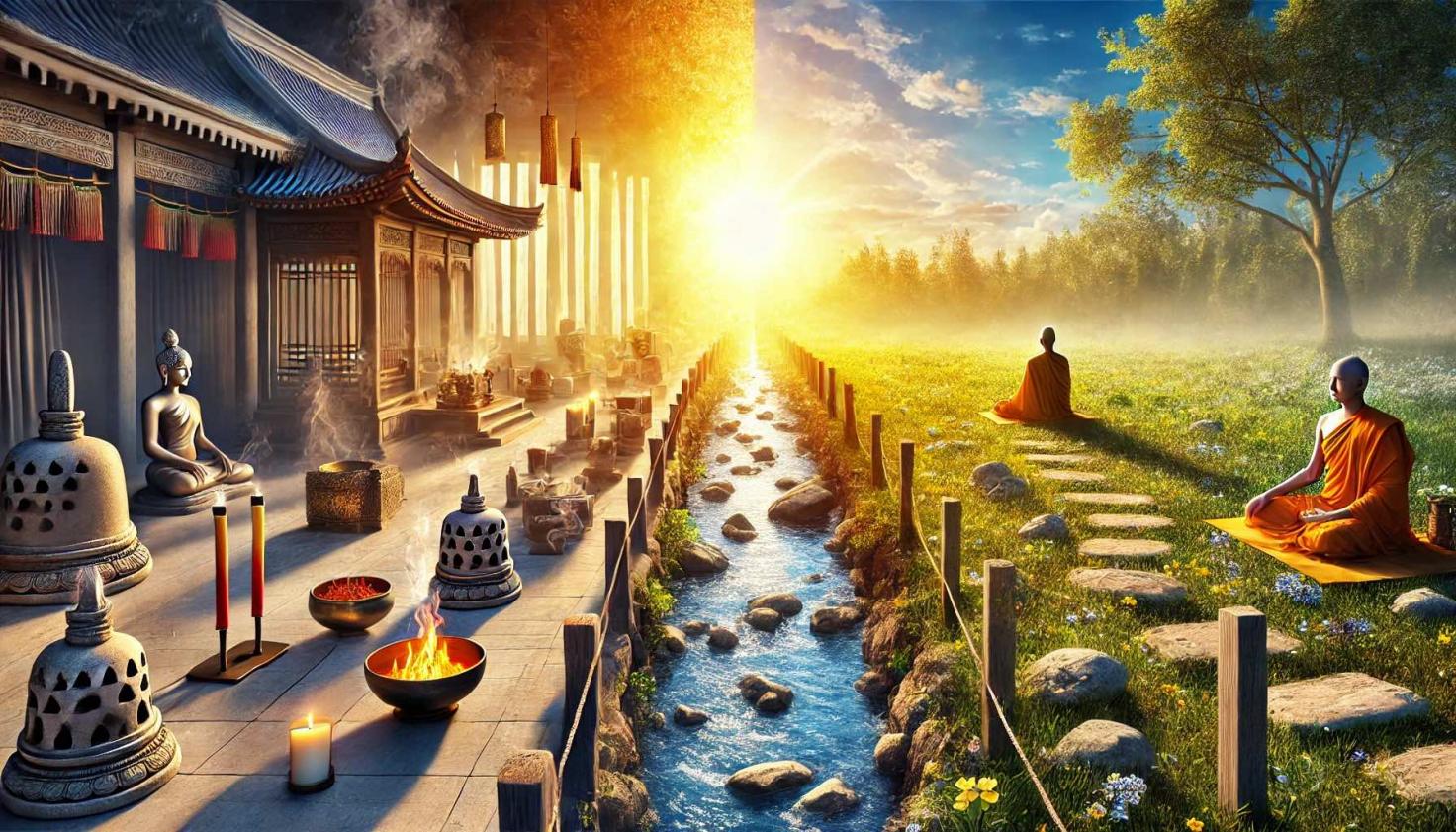
因此,佛法是不是宗教,并没有一个绝对的答案。从社会制度和文化形态上看,它是一种宗教;从思想核心和实践精神上看,它更是一条觉悟人生、转化内心的道路。正是这种既属于宗教、又超越宗教的特质,使佛法能够在不同历史时期和文化环境中持续发挥影响。
Date: 12/09/2023 12/10/2023
Location: Star Ocean Meditation Center
Teacher: Laura
Dharma Knowledge
Is the Dharma a religion?
This is a question frequently raised in modern discussions of Buddhism. Many people find that the Dharma resembles religion in some ways, yet differs from what they usually associate with religion. To understand this question properly, it is necessary to look at the Dharma from multiple perspectives rather than relying on a single definition.
In common usage, religion is often centered on belief in a god or supernatural authority, along with worship, rituals, and divine commandments. The Dharma, however, does not begin with belief in a creator or supreme being. The Buddha did not present himself as a god, nor did he claim that the world is governed by divine will. Instead, the focus of the Dharma is the problem of suffering and the possibility of its cessation.
At its core, the Dharma emphasizes understanding and awakening rather than faith-based obedience. The Buddha encouraged people to observe their own experience and to see how impermanence, attachment, and ignorance give rise to distress. Insight in the Dharma arises through reflection and practice, not through acceptance of dogma. From this perspective, the Dharma appears less like a belief system and more like a path of inquiry and realization.
Nevertheless, from a historical and social viewpoint, the Dharma clearly exists within a religious framework. Over centuries, it developed into Buddhism, complete with scriptures, monastic institutions, ethical codes, rituals, and communal traditions. As Buddhism spread across cultures, it adopted various religious forms, making it recognizable as a world religion.
What makes the Dharma distinctive is that its religious dimension does not demand exclusive belief. One does not need to identify as Buddhist in order to benefit from its teachings. The Buddha emphasized testing the teachings in one’s own life, accepting them only insofar as they lead to reduced suffering and greater clarity. This openness sets the Dharma apart from many conventional religious models.
In practice, the Dharma is concerned primarily with training the mind rather than establishing religious identity. Practices such as mindfulness, ethical awareness, concentration, and compassion can be cultivated by anyone, regardless of cultural or religious background. This universality allows the Dharma to function beyond institutional boundaries.
In contemporary society, many people approach the Dharma as a form of life wisdom or mental discipline rather than as a religion. This does not deny the existence of Buddhist religious traditions, but highlights the adaptability of the Dharma. It can support devotional and communal life, or it can be applied in secular contexts such as psychology, education, and personal development.
In conclusion, whether the Dharma is considered a religion depends on perspective. Socially and institutionally, it functions as one. At its core, however, it is a path of awakening that transcends fixed categories of belief. This dual nature—both religious and beyond religion—is one of the reasons the Dharma continues to remain relevant across cultures and generations.