时间:12/30/2023 12/31/2023
地点:星海禅修中心
主讲:妙行
佛法知识
佛法与科学的相通之处
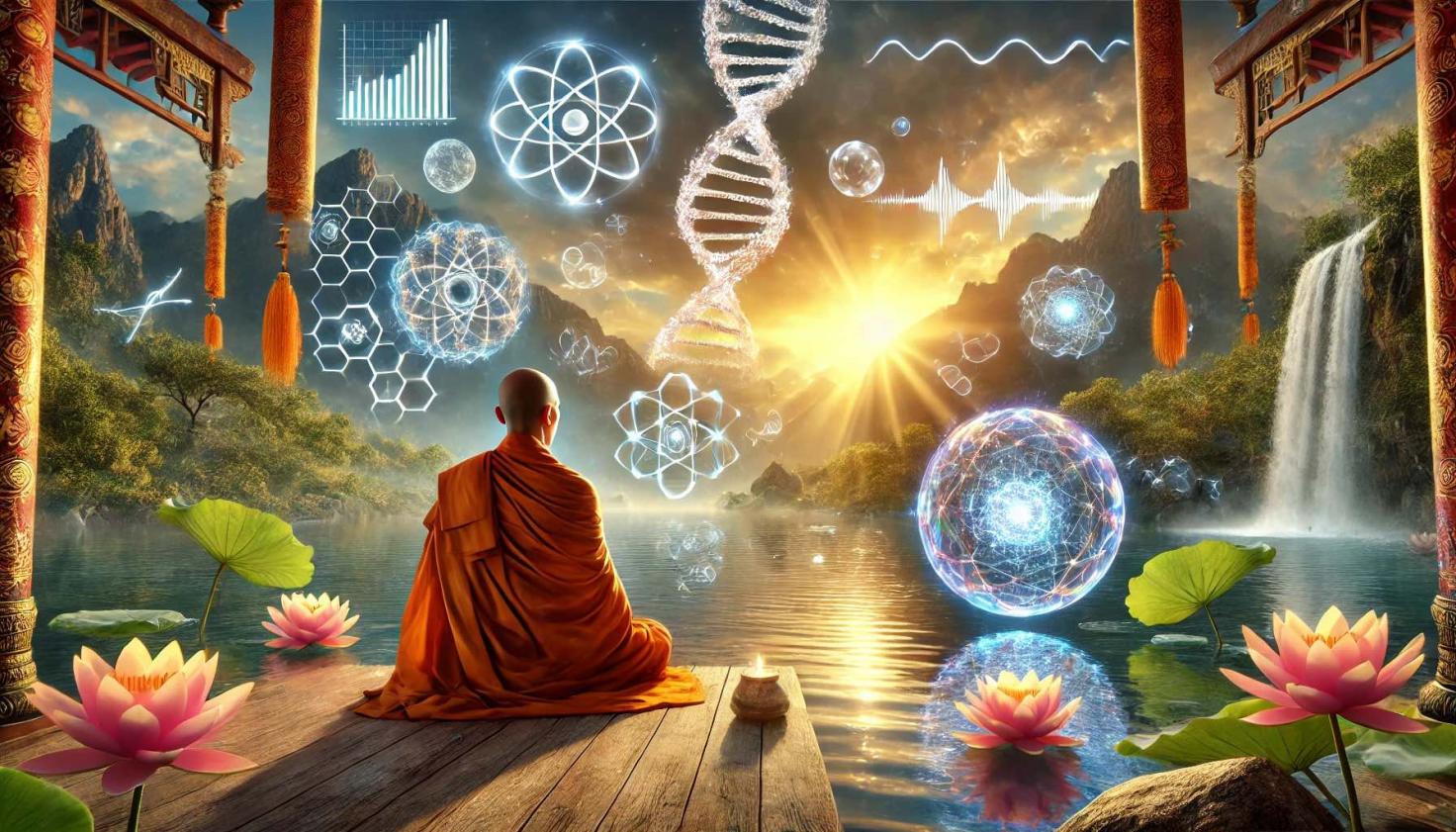
佛法与科学的相通之处,是当代社会中越来越受到关注的话题。表面上看,佛法源于古老的修行传统,而科学建立在现代实验与技术之上,两者似乎分属不同领域。但若深入观察,会发现它们在认识世界和理解生命的方式上,存在着许多相似之处。
首先,佛法与科学都强调对经验事实的重视。科学依靠观察、实验和验证来建立理论,而佛法同样强调亲身体验与如实观察。佛陀并未要求人们仅凭信仰接受教义,而是鼓励通过自身的观察去验证教法是否真实、是否有助于减少痛苦。这种以经验为基础的态度,与科学精神高度一致。
其次,佛法与科学都反对盲目权威。科学的发展史本身就是不断修正旧观点、突破既有认知的过程。佛法中也反复强调,不应因为传统、经典或权威人物的地位而不加思考地接受观点,而应以理性分析和实践结果作为判断依据。这种批判性思维,是两者共同的重要特征。
在对世界结构的理解上,佛法与科学也展现出相通之处。佛法提出“缘起”的思想,认为一切现象都依赖条件而生,没有独立不变的实体。现代科学,尤其是物理学和系统科学,也揭示了世界由相互关联的过程和关系构成,而非孤立存在的事物。这种对相互依存性的理解,使两者在世界观层面产生共鸣。
在对“自我”的认识上,佛法与科学同样趋向去中心化。佛法认为自我并非固定不变的实体,而是由身心过程暂时组合而成。现代神经科学和心理学的研究,也逐渐显示人格、意识和情绪是动态过程的结果,而不是一个恒常不变的核心。这种对自我的非实体化理解,是佛法与科学的重要交汇点。
在方法论上,佛法的修行实践与科学研究都具有系统性和可重复性。佛法中的修行方法强调循序渐进、持续观察和反复验证,不同修行者在相似条件下往往会产生相近的体验。虽然其研究对象是内心世界,但这种方法结构与科学实验在逻辑上具有相似性。
此外,佛法与科学都承认认知的局限性。科学理论始终是暂时性的,会随着新证据的出现而修正。佛法也强调任何概念和语言都只是指引真相的工具,而非真相本身。这种对不确定性和开放性的承认,使两者都保持持续探索的态度。
在现代社会中,佛法与科学的对话正变得愈发重要。科学为人类提供了理解和改变外在世界的力量,而佛法则为理解和调适内心提供了方法。当二者相互尊重、相互补充时,能够帮助人类在技术进步的同时,保持心理平衡与伦理反思。
总体而言,佛法与科学虽然研究对象和表达方式不同,但在经验验证、理性精神、对无常与关系性的理解等方面存在深刻的相通之处。它们并非彼此对立,而是可以在不同层面共同指向对真实世界和人类经验的更深入理解。
Date: 12/30/2023 12/31/2023
Location: Star Ocean Meditation Center
Teacher: Laura
Dharma Knowledge
The similarities between the Dharma and science
The similarities between the Dharma and science have become an increasingly important topic in the modern world. At first glance, the Dharma appears rooted in ancient contemplative traditions, while science is based on modern experimentation and technology. Yet a closer examination reveals that they share significant common ground in how they seek to understand reality and human experience.
Both the Dharma and science place strong emphasis on direct experience. Science relies on observation, experimentation, and verification, while the Dharma encourages individuals to examine their own experience and test teachings through practice. The Buddha did not demand belief based on faith alone, but invited people to see for themselves whether the teachings led to clarity and reduced suffering. This experiential approach closely parallels the scientific method.
Another important similarity lies in their attitude toward authority. Scientific progress depends on questioning established theories and revising conclusions in light of new evidence. Likewise, the Dharma cautions against accepting teachings merely because of tradition, scripture, or authority figures. Reasoned inquiry and personal verification are central to both approaches.
In their understanding of the structure of reality, the Dharma and science also converge. The Dharma teaches dependent origination, the idea that all phenomena arise through interconnected conditions rather than existing independently. Modern science, particularly in fields such as physics and systems theory, similarly reveals a universe composed of interrelated processes rather than isolated entities. This shared emphasis on interdependence forms a key point of resonance.
Regarding the concept of self, both the Dharma and science challenge the notion of a fixed, unchanging identity. The Dharma views the self as a dynamic process composed of physical and mental factors. Contemporary neuroscience and psychology increasingly support this view, showing that consciousness and personality emerge from complex and changing processes rather than a permanent core.
Methodologically, the practices of the Dharma and the investigations of science both involve systematic inquiry. Meditative practices are structured, progressive, and repeatable, with practitioners often reporting similar experiences under similar conditions. Although the Dharma focuses on inner experience, its disciplined approach resembles scientific investigation in its logic and rigor.
Both the Dharma and science also acknowledge the limits of knowledge. Scientific theories are provisional and subject to revision, while the Dharma recognizes that concepts and language are only tools for pointing toward reality, not reality itself. This shared humility fosters openness and ongoing exploration rather than dogmatism.
In the modern world, dialogue between the Dharma and science has become increasingly valuable. Science excels at understanding and transforming the external world, while the Dharma offers tools for understanding and stabilizing the inner world. When these two approaches complement each other, they support not only technological advancement but also psychological well-being and ethical reflection.
In conclusion, although the Dharma and science differ in focus and expression, they share deep similarities in their reliance on experience, critical inquiry, and recognition of impermanence and interdependence. Rather than being opposed, they can be seen as complementary ways of exploring reality and deepening human understanding.