时间:11/07/2026 11/08/2026
地点:星海禅修中心
主讲:净真
斋食养生
斋食养肝的核心食材
简介
在斋食养生体系中,肝脏被视为调节气血与代谢的重要器官。通过清净、自然的植物性饮食,不仅可以减轻肝脏负担,还能在日常饮食中实现温和而持续的滋养。佛教饮食所推崇的简朴与节制,与现代营养学中“低负担、高营养”的理念高度契合。
研究表明,多种植物性食材富含抗氧化物质、维生素与植物化合物,有助于促进肝细胞修复、减少氧化损伤,并支持肝脏解毒功能。因此,在斋食结构中合理选择养肝食材,是实现身心平衡与长期养生的重要路径。
本文将从核心食材、作用机制与健康益处三个方面进行系统阐述。
一、斋食养肝的核心食材
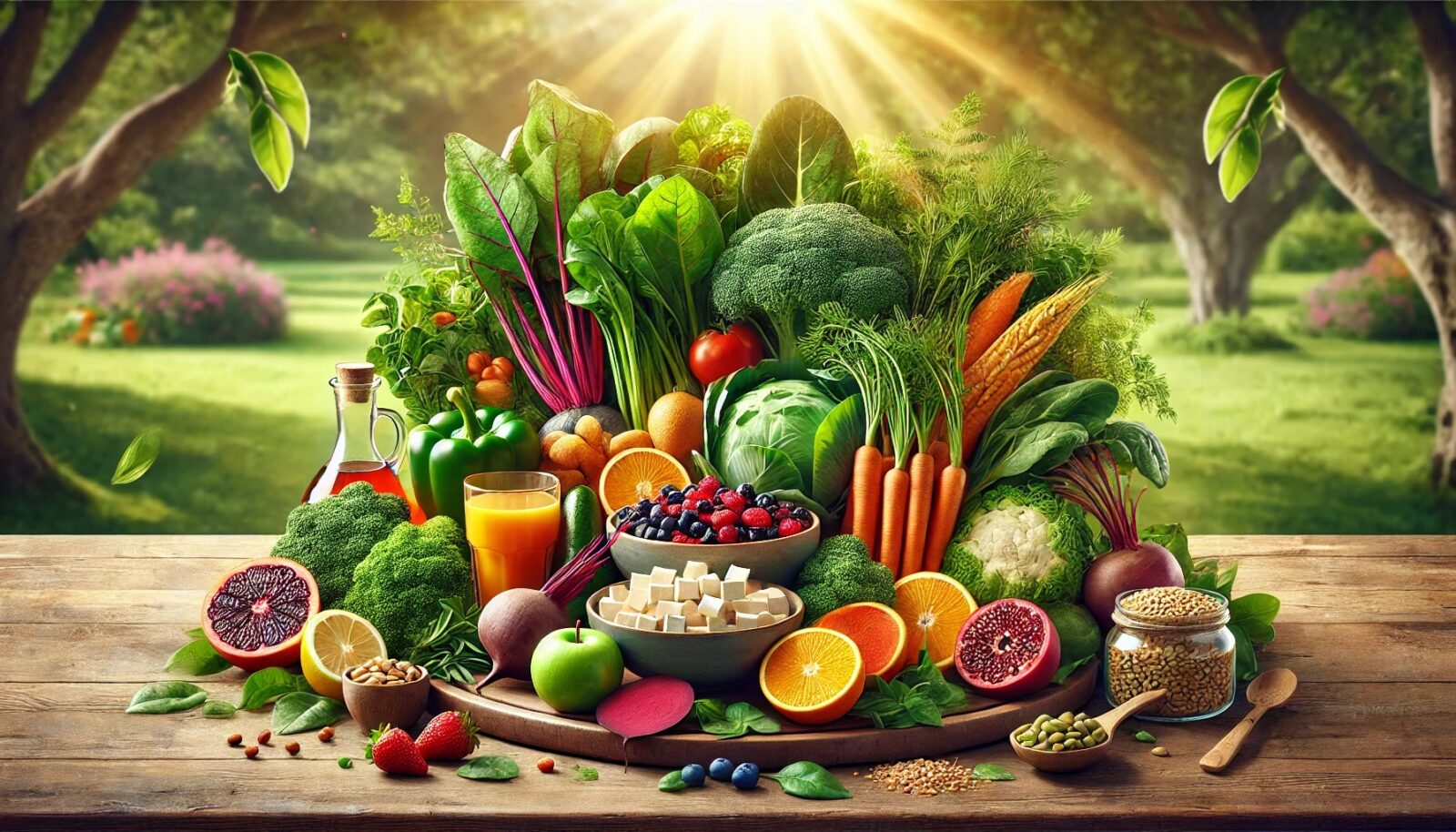
1.绿叶蔬菜:如菠菜、芥蓝等,富含叶绿素与抗氧化成分,有助于减轻肝脏负担。
2.十字花科蔬菜:如西兰花、甘蓝,含有丰富的植物化学物质,支持肝脏解毒功能。
3.豆类与豆制品:提供优质植物蛋白,帮助肝细胞修复与再生。
4.全谷物:如糙米、燕麦,富含膳食纤维,有助于调节代谢与血糖稳定。
5.坚果与种子:含有健康脂肪与维生素E,有助于保护肝细胞免受氧化损伤。
二、养肝作用机制
1.促进解毒功能:植物化合物可增强肝脏解毒酶活性,加速有害物质代谢。
2.抗氧化保护:多酚与维生素可减少自由基对肝细胞的损伤。
3.调节脂质代谢:高纤维食物有助于降低脂肪堆积,减轻肝脏负担。
4.抗炎作用:天然植物成分有助于降低慢性炎症水平。
5.促进细胞修复:优质蛋白与微量营养素支持肝细胞更新与修复。
三、健康益处
1.促进肝脏养生:清淡饮食有助于维持肝脏正常代谢功能。
2.增强解毒能力:支持体内代谢废物的排出。
3.稳定能量代谢:帮助维持血糖与脂质平衡。
4.改善整体状态:减少疲劳感,提升身体活力。
5.滋养身心:在清净饮食中实现内外调和。
四、食用建议
1.合理搭配:多种植物食材组合,以实现营养均衡。
2.清淡烹调:以蒸、煮为主,减少油脂与调味负担。
3.规律饮食:保持稳定饮食节奏,避免过度进食。
4.适量摄入:根据个体情况调整食量与结构。
5.长期坚持:持续的饮食习惯有助于形成稳定的养肝效果。
Date: 11/07/2026 11/08/2026
Location: Star Ocean Meditation Center
Teacher: Sara
Buddhist Diet and Regimen
Core Foods for Liver Nourishment in a Vegetarian Diet
Summary
In the practice of Buddhist dietary health cultivation, the liver is regarded as a vital organ responsible for regulating metabolism and internal balance. A clean and plant-based diet helps reduce the burden on the liver while providing gentle and continuous nourishment. The simplicity and restraint emphasized in Buddhist traditions align closely with modern nutritional principles of low metabolic stress and high nutrient density.
Scientific studies indicate that many plant-based foods are rich in antioxidants, vitamins, and bioactive compounds that support liver cell repair, reduce oxidative damage, and enhance detoxification processes. Selecting appropriate foods within a vegetarian framework is therefore essential for maintaining long-term liver health and overall well-being.
This article outlines key foods, functional mechanisms, and health benefits related to liver nourishment.
1. Core Foods for Liver Support
1.Leafy Greens: Such as spinach and kale, rich in chlorophyll and antioxidants that support detoxification.
2.Cruciferous Vegetables: Including broccoli and cabbage, containing compounds that enhance liver enzyme activity.
3.Legumes and Soy Products: Provide plant-based protein for liver cell repair and regeneration.
4.Whole Grains: Brown rice and oats supply fiber that helps regulate metabolism.
5.Nuts and Seeds: Contain healthy fats and vitamin E, protecting liver cells from oxidative stress.
2. Mechanisms of Liver Support
1.Enhances Detoxification: Phytochemicals boost liver enzyme function to process toxins.
2.Antioxidant Protection: Vitamins and polyphenols reduce oxidative damage to liver cells.
3.Regulates Lipid Metabolism: Fiber helps prevent fat accumulation in the liver.
4.Anti-Inflammatory Effects: Natural compounds help lower chronic inflammation.
5.Supports Cellular Repair: Nutrients assist in liver cell regeneration.
3. Health Benefits
1.Supports Liver Function: Maintains balanced metabolic activity.
2.Improves Detox Capacity: Aids in eliminating metabolic waste.
3.Stabilizes Energy Metabolism: Helps regulate blood sugar and lipid levels.
4.Enhances Vitality: Reduces fatigue and improves overall energy.
5.Nourishes Body and Mind: Promotes inner balance through mindful eating.
4. Consumption Tips
1.Balanced Combinations: Include a variety of plant-based foods for complete nutrition.
2.Light Cooking Methods: Prefer steaming or boiling to reduce metabolic burden.
3.Regular Eating Patterns: Maintain consistent meal timing.
4.Moderate Intake: Adjust portions based on individual needs.
5.Long-Term Practice: Consistency is key to achieving lasting liver health benefits.