时间:04/03/2027 04/04/2027
地点:星海禅修中心
主讲:净真
斋食养生
斋食晚餐的轻养原则
简介
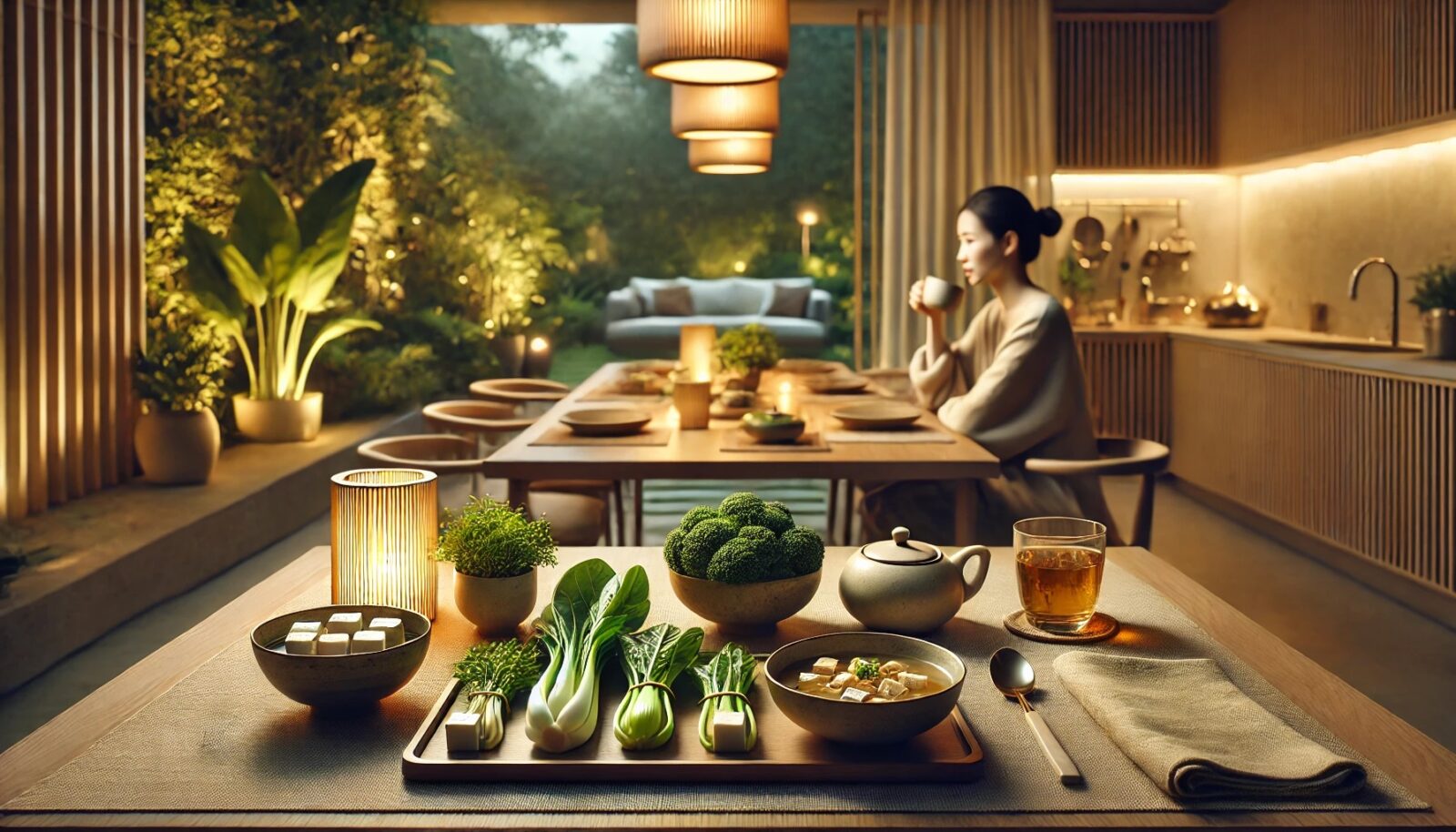
斋食晚餐,是斋食养生体系中尤为重要的一环。晚间饮食讲求清淡、适量与易消化,不仅关系到夜间休息质量,也直接影响人体的代谢与修复过程。在佛教饮食文化中,晚餐被视为调和身心的重要时段,通过简约而有节制的饮食方式,使身体获得温和滋养,同时令心境趋于安定与清明。
现代营养学认为,晚餐摄入过多或过于油腻,会增加消化系统负担,并影响睡眠质量与代谢平衡。而以植物性食材为主的轻食晚餐,富含膳食纤维与天然营养素,有助于维持稳定血糖、促进消化与减轻身体负担。因此,斋食晚餐的轻养原则逐渐成为现代健康生活中被推崇的重要方式。
本文将从晚餐原则、食材选择与健康益处三个方面,系统阐述斋食晚餐的轻养之道。
一、斋食晚餐的核心原则
1.清淡为主:减少油脂与调味负担,以蒸、煮为主,使饮食更为纯净温和。
2.适量进食:控制食量,以七分饱为宜,避免夜间消化负担过重。
3.易于消化:选择柔软、温热的食物,减轻肠胃压力。
4.规律时间:尽量在固定时间用餐,避免过晚进食影响睡眠。
5.身心安定:在平静状态下进食,使晚餐成为滋养身心的过程。
二、适宜的晚餐食材
1.温和蔬菜:如南瓜、胡萝卜、菠菜等,易消化且富含营养。
2.全谷类食物:如糙米、小米、燕麦,提供稳定能量来源。
3.植物蛋白:豆腐、豆类等,补充必要蛋白质且负担较低。
4.清汤类食物:蔬菜汤或简单炖煮,有助于补水与促进消化。
5.少量坚果:适度摄入健康脂肪,增强营养平衡。
三、斋食晚餐的健康益处
1.促进消化系统休息:轻食减少胃肠负担,使夜间修复更有效。
2.改善睡眠质量:不过饱与清淡饮食有助于身体放松入眠。
3.维持代谢平衡:避免夜间能量过剩导致脂肪堆积。
4.稳定血糖水平:低负担饮食减少血糖波动。
5.滋养身心状态:平和饮食有助于情绪稳定与内在安宁。
四、斋食晚餐建议
1.烹调方式:以蒸、煮、炖为主,避免油炸与重口味调味。
2.进食时间:建议在睡前2–3小时完成晚餐。
3.饮食搭配:以蔬菜为主,搭配适量谷物与蛋白质。
4.避免刺激:减少辛辣、浓茶与咖啡等影响睡眠的食物。
5.长期坚持:稳定的晚餐习惯有助于形成良好生理节律。
Date: 04/03/2027 04/04/2027
Location: Star Ocean Meditation Center
Teacher: Sara
Buddhist Diet and Regimen
Light Nourishment Principles for Vegetarian Dinner
Summary
Vegetarian dinner plays a crucial role in the practice of Buddhist dietary health cultivation. Evening meals emphasize lightness, moderation, and ease of digestion, directly influencing sleep quality and the body’s nighttime recovery processes. In Buddhist tradition, dinner is approached with simplicity and mindfulness, allowing the body to be gently nourished while the mind settles into calmness.
Modern nutritional science indicates that heavy or excessive evening meals can burden digestion and disrupt metabolic balance. In contrast, a light plant-based dinner rich in fiber and natural nutrients supports stable blood sugar levels, improves digestion, and reduces physiological stress. As a result, the principles of light vegetarian dinners are increasingly valued in contemporary health practices.
This article outlines the key principles, suitable foods, and health benefits of a light vegetarian dinner.
1. Core Principles of Vegetarian Dinner
1.Light and Simple: Minimize oil and heavy seasoning, focusing on gentle cooking methods.
2.Moderate Intake: Eat until comfortably satisfied, avoiding overeating.
3.Easy Digestion: Choose soft and warm foods to reduce digestive strain.
4.Regular Timing: Maintain consistent dinner times and avoid late meals.
5.Calm Mindset: Eat in a relaxed and mindful state to support overall well-being.
2. Suitable Foods for Dinner
1.Gentle Vegetables: Pumpkin, carrots, and leafy greens that are easy to digest.
2.Whole Grains: Brown rice, millet, and oats for steady energy release.
3.Plant Proteins: Tofu and legumes provide essential protein with lower digestive burden.
4.Light Soups: Vegetable-based soups aid hydration and digestion.
5.Nuts in Moderation: Provide healthy fats and nutritional balance.
3. Health Benefits
1.Supports Digestive Rest: Light meals reduce gastrointestinal workload.
2.Improves Sleep Quality: Moderate eating helps the body relax at night.
3.Maintains Metabolic Balance: Prevents excess calorie storage.
4.Stabilizes Blood Sugar: Reduces fluctuations through balanced intake.
5.Nourishes Body and Mind: Encourages emotional stability and inner calm.
4. Dietary Recommendations
1.Cooking Methods: Prefer steaming, boiling, and stewing over frying.
2.Meal Timing: Finish dinner 2–3 hours before sleep.
3.Balanced Composition: Emphasize vegetables with moderate grains and protein.
4.Avoid Stimulants: Limit spicy foods, strong tea, and caffeine.
5.Consistency: Maintain regular habits to support long-term health.