时间:10/02/2027 10/03/2027
地点:星海禅修中心
主讲:净真
斋食养生
饮食即修行的生活态度
简介
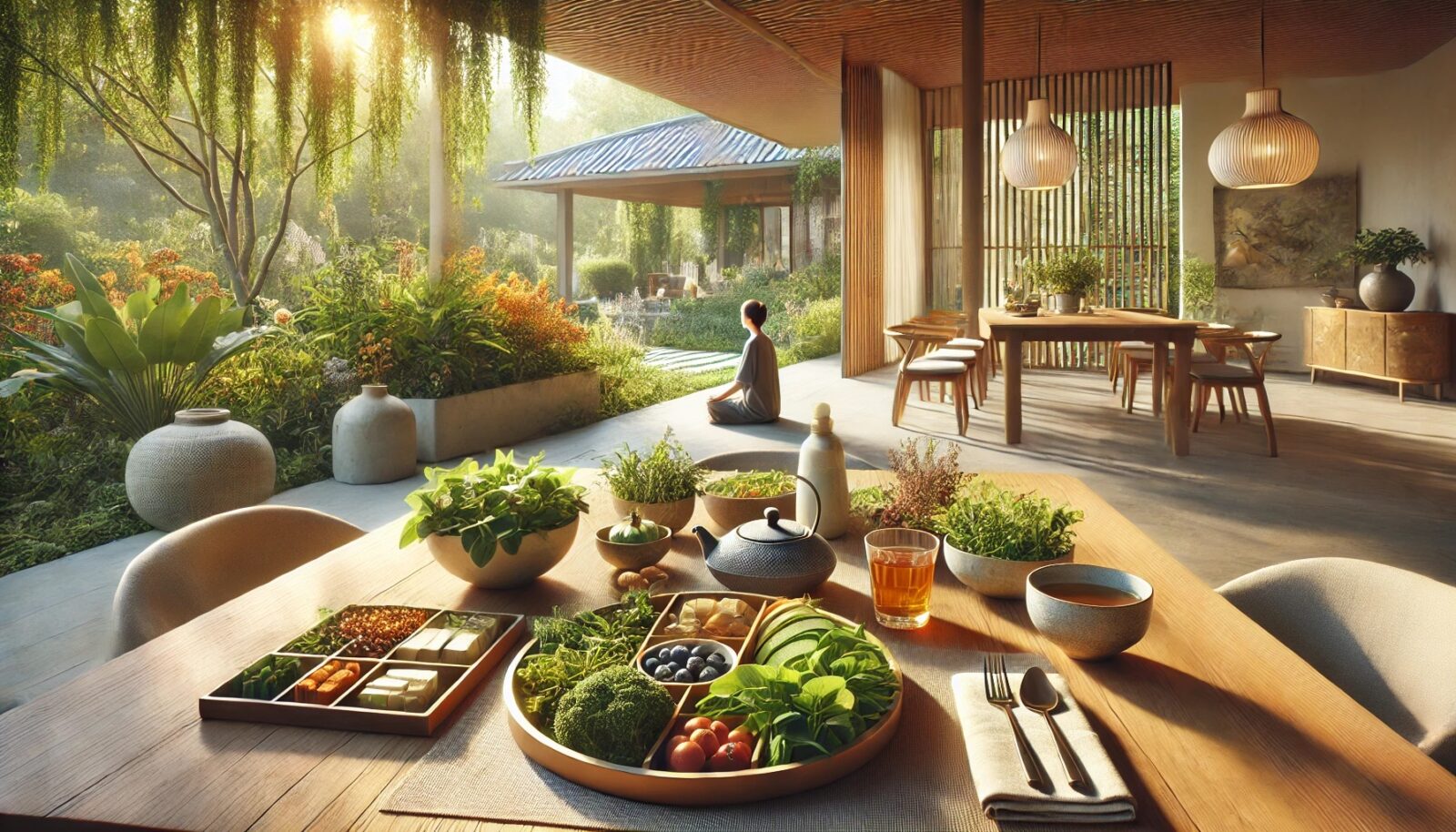
饮食不仅是维持生命的基本方式,更是一种内在修行的体现。在斋食养生的理念中,饮食被视为连接身体与心灵的重要桥梁。通过清净、节制与觉知的进食方式,人们在日常生活中实现自我观照与身心滋养。
佛教传统推崇以素净饮食作为修行基础,强调减少欲望、回归自然,使身心得以安定与清明。现代营养学亦证实,以植物性食材为主的饮食结构,能够为人体提供稳定而持久的营养支持,有助于维持健康状态。
本文将从饮食即修行的理念出发,探讨其核心原则、营养基础及对身心的综合滋养作用。
一、饮食即修行的核心理念
1.觉知进食:在进食过程中保持专注与觉察,理解食物来源与身体需求。
2.简朴自然:选择未经复杂加工的天然食材,使饮食回归本真状态。
3.节制欲望:不过度追求味觉刺激,减少贪欲对身心的扰动。
4.内外统一:饮食的清净与内心的平和相互促进,形成稳定状态。
5.慈悲滋养:以不伤害生命为基础,使饮食体现对万物的尊重。
二、营养与身心的基础支撑
1.稳定能量供给:全谷物与豆类提供持续释放的能量,维持身体运作平衡。
2.调节代谢功能:丰富的维生素与矿物质支持酶系统与代谢过程。
3.抗氧化保护:植物性营养素有助于降低氧化压力,保护细胞结构。
4.肠道环境优化:膳食纤维促进有益菌群生长,增强消化系统功能。
5.神经系统平衡:均衡饮食有助于稳定情绪与提升专注力。
三、身心层面的养生益处
1.提升整体养生水平:规律与清淡饮食帮助身体维持长期稳定状态。
2.增强免疫调节能力:多样化植物营养支持免疫系统运行。
3.改善心血管功能:低脂高纤结构有助于维持血管健康。
4.促进消化与净化:自然食材与纤维共同作用,提升排泄效率。
5.滋养内在宁静:饮食过程中的专注,使心境趋于平和与清明。
四、实践建议
1.进食环境:在安静、有序的环境中用餐,减少外界干扰。
2.饮食节律:保持固定时间进食,建立身体节奏。
3.食材选择:优先选择新鲜、当季的植物性食物。
4.烹调方式:采用蒸、煮、炖等方式,减少营养流失。
5.持续实践:通过长期坚持,使饮食成为稳定的修行方式。
Date: 10/02/2027 10/03/2027
Location: Star Ocean Meditation Center
Teacher: Sara
Buddhist Diet and Regimen
The Attitude of Life: Eating as a Form of Practice
Summary
Eating is not merely a biological necessity but a reflection of inner cultivation. Within the philosophy of Buddhist dietary practice, food becomes a medium through which the body and mind are harmonized. Through mindful, moderate, and pure eating habits, individuals cultivate awareness while nourishing themselves.
Buddhist teachings advocate simplicity and restraint in diet, encouraging a return to natural and balanced living. Modern nutrition science aligns with this view, showing that plant-based diets provide consistent and sustainable nourishment, supporting long-term health.
This article examines the concept of “eating as practice” through its guiding principles, nutritional foundations, and its role in holistic well-being.
1. Core Principles of Eating as Practice
1.Mindful Consumption: Maintaining awareness during meals and understanding the relationship between food and the body.
2.Simplicity and Naturalness: Choosing minimally processed, natural foods to preserve original qualities.
3.Moderation of Desire: Avoiding excessive indulgence in taste to maintain inner balance.
4.Inner-Outer Harmony: Aligning dietary purity with mental clarity and calmness.
5.Compassionate Nourishment: Respecting life through non-harmful dietary choices.
2. Nutritional and Physiological Foundations
1.Sustained Energy Supply: Whole grains and legumes provide steady energy release.
2.Metabolic Support: Vitamins and minerals assist enzymatic and metabolic processes.
3.Antioxidant Defense: Plant nutrients reduce oxidative stress and protect cells.
4.Gut Health Optimization: Fiber supports beneficial microbiota and digestive health.
5.Neural Balance: Balanced nutrition contributes to emotional stability and focus.
3. Holistic Health Benefits
1.Enhances Overall Well-being: Light and regular eating patterns support long-term health.
2.Strengthens Immune Regulation: Diverse nutrients enhance immune system efficiency.
3.Supports Cardiovascular Function: Low-fat, high-fiber diets promote vascular health.
4.Improves Digestion and Detoxification: Natural foods and fiber enhance elimination processes.
5.Nourishes Inner Calmness: Mindful eating fosters mental clarity and tranquility.
4. Practical Recommendations
1.Eating Environment: Maintain a quiet and orderly setting during meals.
2.Regular Meal Rhythm: Establish consistent eating times.
3.Food Selection: Prioritize fresh, seasonal, plant-based ingredients.
4.Cooking Methods: Use steaming, boiling, and stewing to preserve nutrients.
5.Consistent Practice: Long-term adherence transforms eating into a stable life practice.