时间:06/05/2027 06/06/2027
地点:星海禅修中心
主讲:净诚
佛法修行
惠光国王十善化民
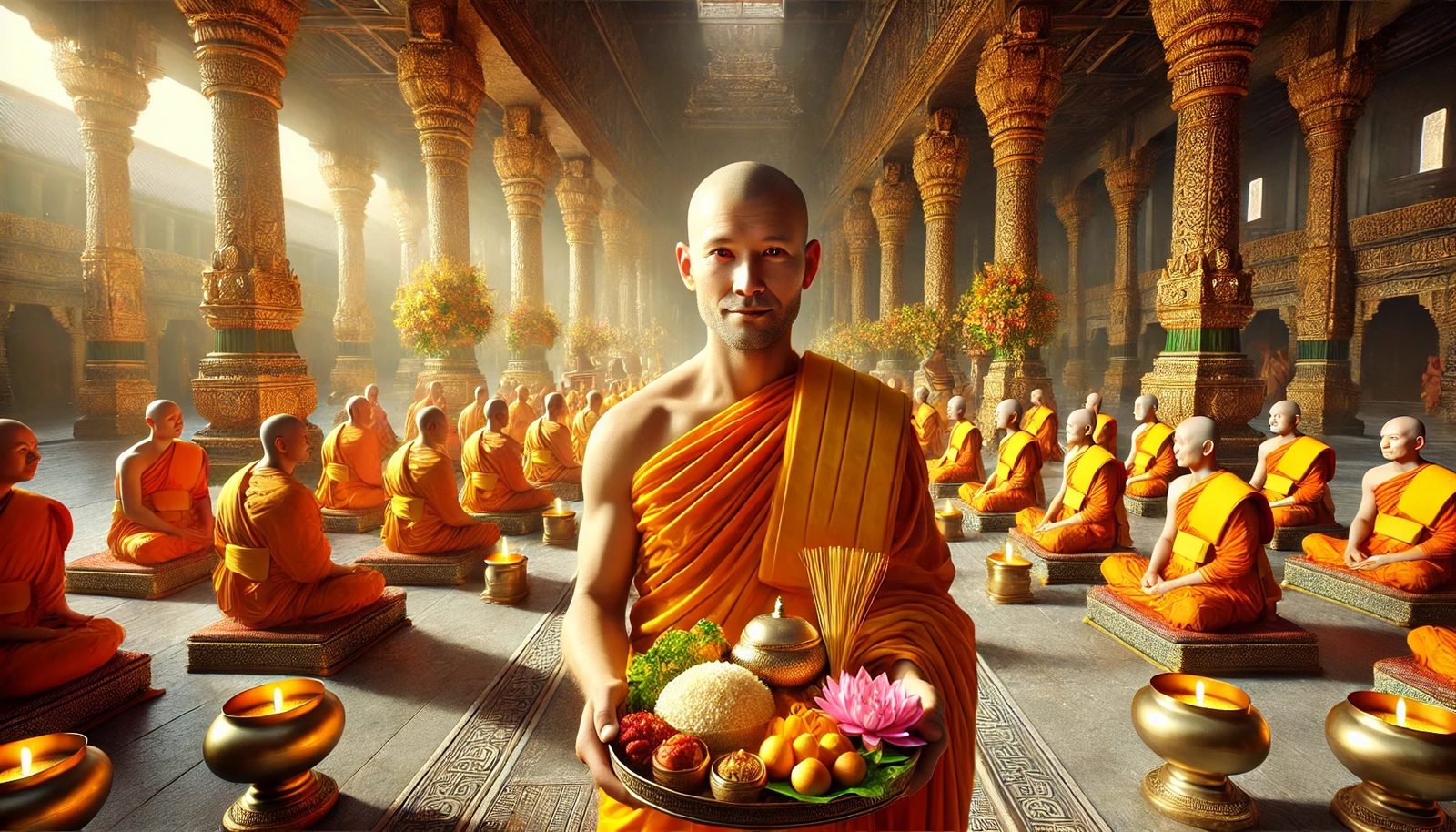
久远以前,有一位施陀尼弥国王,统治着广大的领土与众多臣民;虽有诸多后妃美眷,但仍膝下无子。国王为此忧愁不已,担心王位无人继承,便举行盛大隆重的祝祷仪式,祈求上天恩赐贵子。不久,须梨波罗满王后有了身孕,自此王后变得更加聪慧、仁慈,总是劝导大家多行善事。十个月以后,王后生了个男孩,长得面貌端正、绝俗特异,全身上下散发着奇美的光明。
国王久盼得子,每回看到自己的孩子都无比欢喜,还特地召请相师进宫为子占卜。相师一见到这男孩,便赞叹太子的相貌挺特、殊异绝伦,将来必定是德泽四方,为天下人民所敬仰爱戴。国王听到相师的称赞和预言,更加欣喜,又请相师为太子取名。相师问:“太子诞生时有何特殊的瑞相吗?”国王回答:“王后自从怀孕以来,变得更加聪慧、仁慈,而且经常劝人为善。除此之外,还有许多大家认为奇特的瑞相。”相师一听,非常欢喜,认为王后怀胎时智慧增长,太子通身光明无量,便为太子取名为“那波罗满”,亦即“惠光”之意。
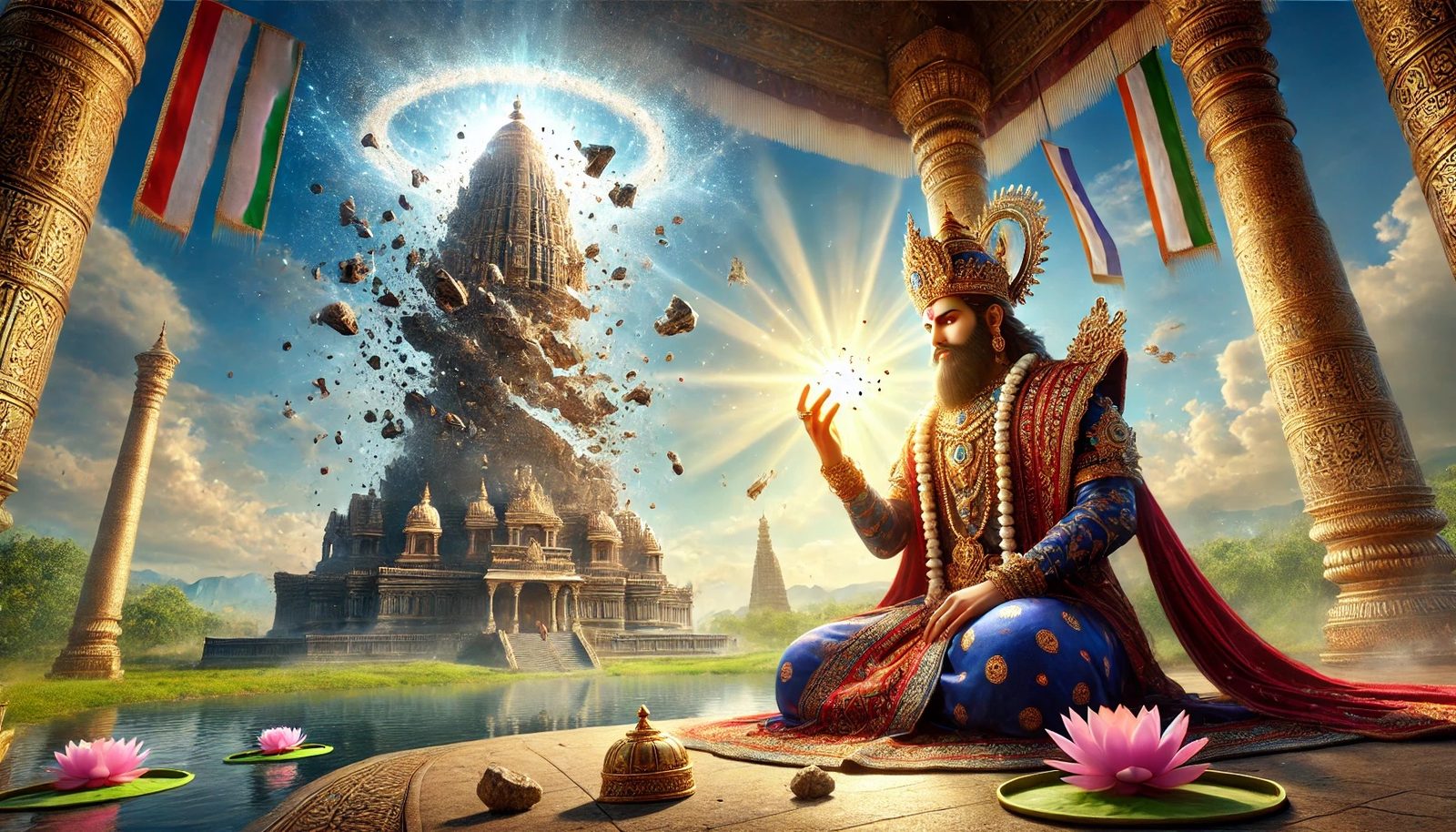
时光飞逝,惠光太子长大成人,智慧高人一等。在国王去世,葬礼结束之后,诸多大臣共同劝请太子继承王位。然而,太子认为人民多行恶事,政令将难以推行,若加以责罚,容易招致民怨,因此不肯答应众人的请求。太子表示:“除非能以十种善行来统领人民,即愿意领受国事,担当重任。”大臣们为了让太子顺利接掌王位,异口同声赞成十善之道,承诺将下令全国施行。
邪恶的魔王知道惠光国王的德政,处心积虑想加以破坏,便制作了一封假诏书,下达全国,告诉人民推行十善没有实质利益,不须再辛苦实行,从今以后可以任由人民做十恶事,无所顾虑。各地方官吏接到这封怪异的诏书,质疑此举乃违背常理,便派人前往王宫探听实情。国王知道这件事后,非常震惊,决定巡行全国,召见臣民,重新宣布推行十善。
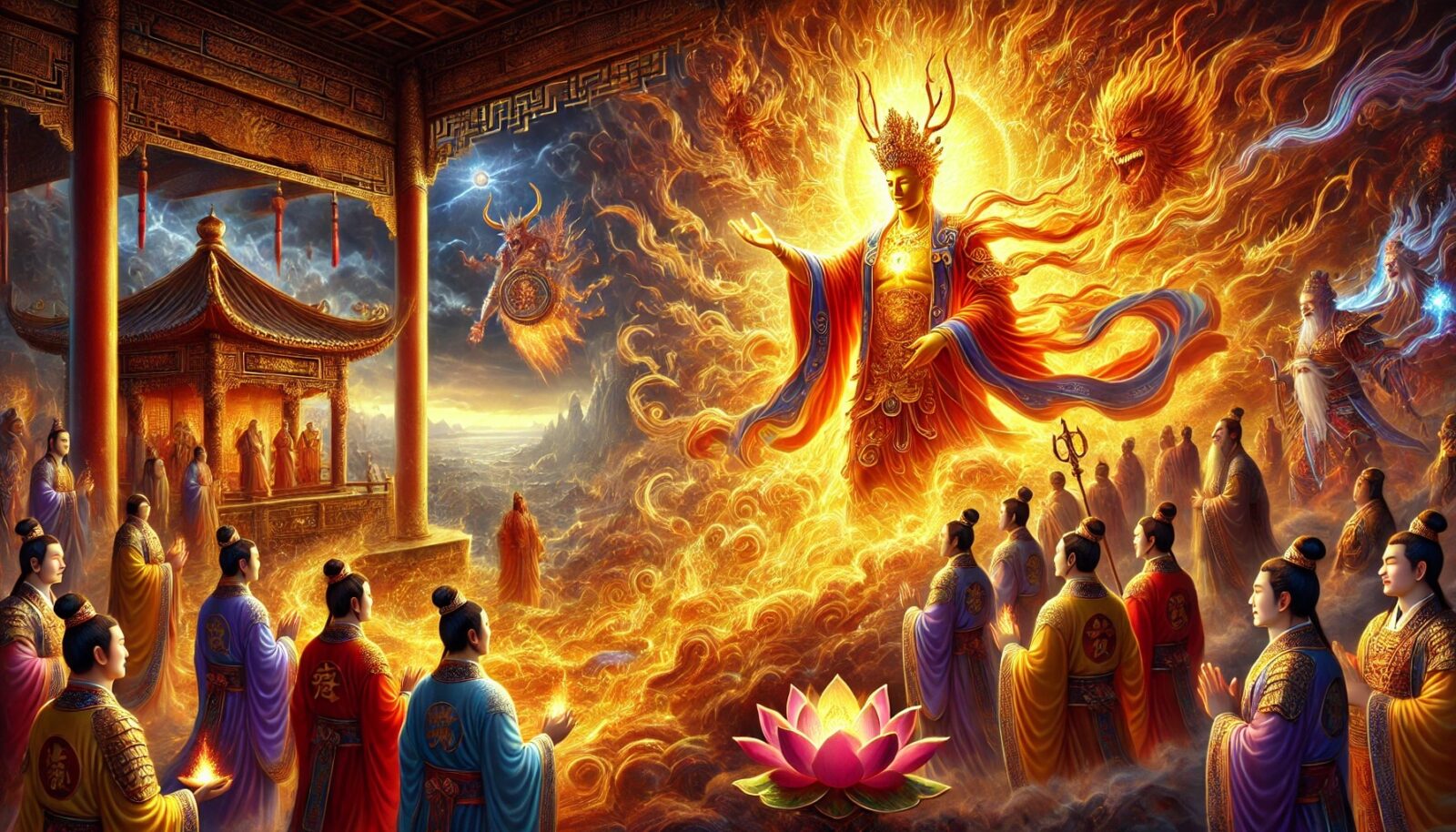
国王在出巡的路上,魔王化现为人,身陷炽热大火,哭泣号叫之声令人不忍听闻。国王前往关心慰问,魔王即哭诉自己因劝人修行十善,而遭受这难以忍受的痛苦。国王不相信这种说法,于是问他:“你劝人修行十善,所以导致今日受苦,那么听你劝说、修行十善的那些人,是否有得到良善的果报?”魔王回答:“其他人都获得福报,唯独我以教人之罪承受痛苦。”国王听了很高兴,告诉魔王:“只要能够令人行善积福,即使遭遇痛苦,也能甘心甘受,不怀怨恨。”魔王听到国王的回答,知道计划无法得逞,很快就消失不见了。
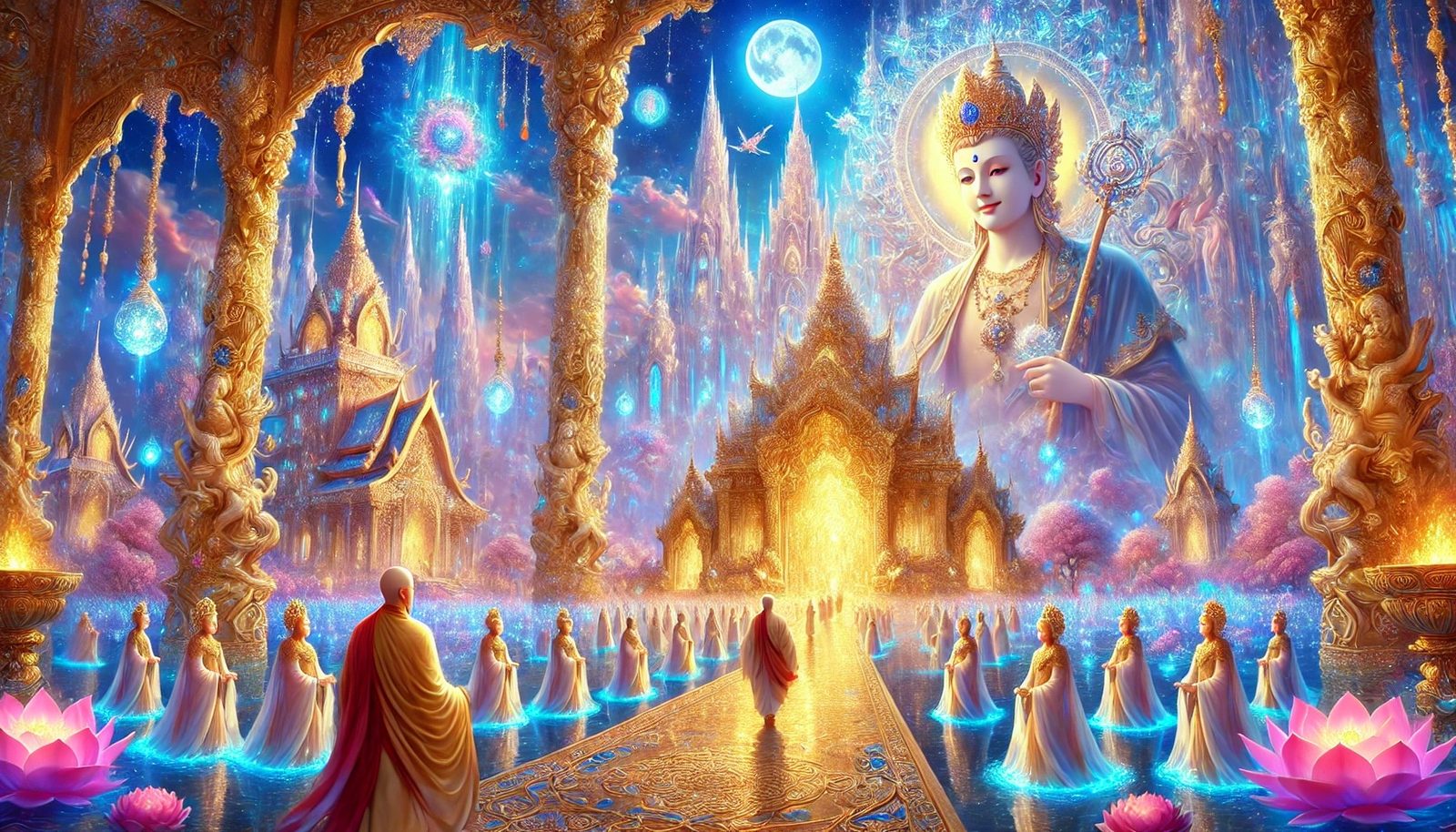
从此以后,国王顺利地将十善推行到全国,人民受到善法的教化,对于自己的身、口、意都非常谨慎,也非常尊敬国王。国王终其一生都以弘扬十善为使命,许多瑞相也因其崇高德行而纷纷出现,金轮、七宝无一不具。
佛陀告诉弟子们:“当时的施陀尼弥王,就是我今生的父亲净饭王,过去的王后,是我的母亲摩耶夫人,而我就是那位以十善来化育人民的惠光国王。我因当时努力修持十善,又积极劝导人民普行十善,所以成就了三十二相中的’足下千辐轮相’。”
Date: 06/05/2027 06/06/2027
Location: Star Ocean Meditation Center
Teacher: Jason
Dharma Talk
King Huiguang Transforms the People through the Ten Wholesome Deeds
Long ago, there was a king named Śrīdanemi who ruled over vast lands and many subjects. Although he had many queens and consorts, he had no heir. Deeply troubled and fearing the throne would have no successor, he held grand rituals to pray for a son. Soon after, Queen Śrīparāma became pregnant. From that time, she grew more intelligent and compassionate, often encouraging others to perform good deeds. After ten months, she gave birth to a boy of dignified appearance and extraordinary features, whose whole body radiated a wondrous light.
The king, who had long awaited a son, rejoiced greatly whenever he saw the child. He summoned a physiognomist to examine the prince. Upon seeing him, the physiognomist praised his exceptional features and foretold that he would benefit all directions and be revered by the people. Delighted, the king asked for a name. Learning of the auspicious signs during pregnancy, the physiognomist named him “Naboluoman,” meaning “Huiguang,” or “Radiant Wisdom.”
As time passed, Prince Huiguang grew up with superior wisdom. After the king’s death and funeral, ministers urged him to ascend the throne. However, the prince observed that the people committed many unwholesome deeds, making governance difficult; punishment might provoke resentment. Thus, he refused, stating, “Only if I may govern by means of the Ten Wholesome Deeds will I accept the responsibility.” The ministers agreed and pledged to implement them throughout the land.
The evil Māra, seeing the king’s virtuous rule, sought to undermine it. He forged a false edict, declaring that practicing the Ten Wholesome Deeds brought no benefit and that people might freely commit the Ten Unwholesome Deeds. Officials doubted this and reported to the palace. Shocked, the king toured the country and reaffirmed the practice of the Ten Wholesome Deeds.
During his journey, Māra appeared as a man engulfed in flames, crying in agony. The king approached him. Māra claimed that he suffered because he had encouraged others to practice the Ten Wholesome Deeds. The king asked whether those who followed his advice gained good results. Māra replied that others gained blessings, while he alone suffered. The king said, “If encouraging goodness brings benefit to others, then even suffering can be willingly endured.” Māra, realizing failure, vanished.
Thereafter, the king successfully established the Ten Wholesome Deeds throughout the land. The people became careful in body, speech, and mind, and deeply respected the king. Throughout his life, he upheld and promoted these teachings. Auspicious signs appeared, and he possessed the golden wheel and the seven treasures.
The Buddha told his disciples, “That King Śrīdanemi was my father in this life, King Śuddhodana; the queen was my mother, Māyā. I myself was King Huiguang, who transformed the people through the Ten Wholesome Deeds. Because I diligently practiced and encouraged these deeds, I attained the mark of the thousand-spoked wheel on the soles of my feet among the thirty-two marks.”