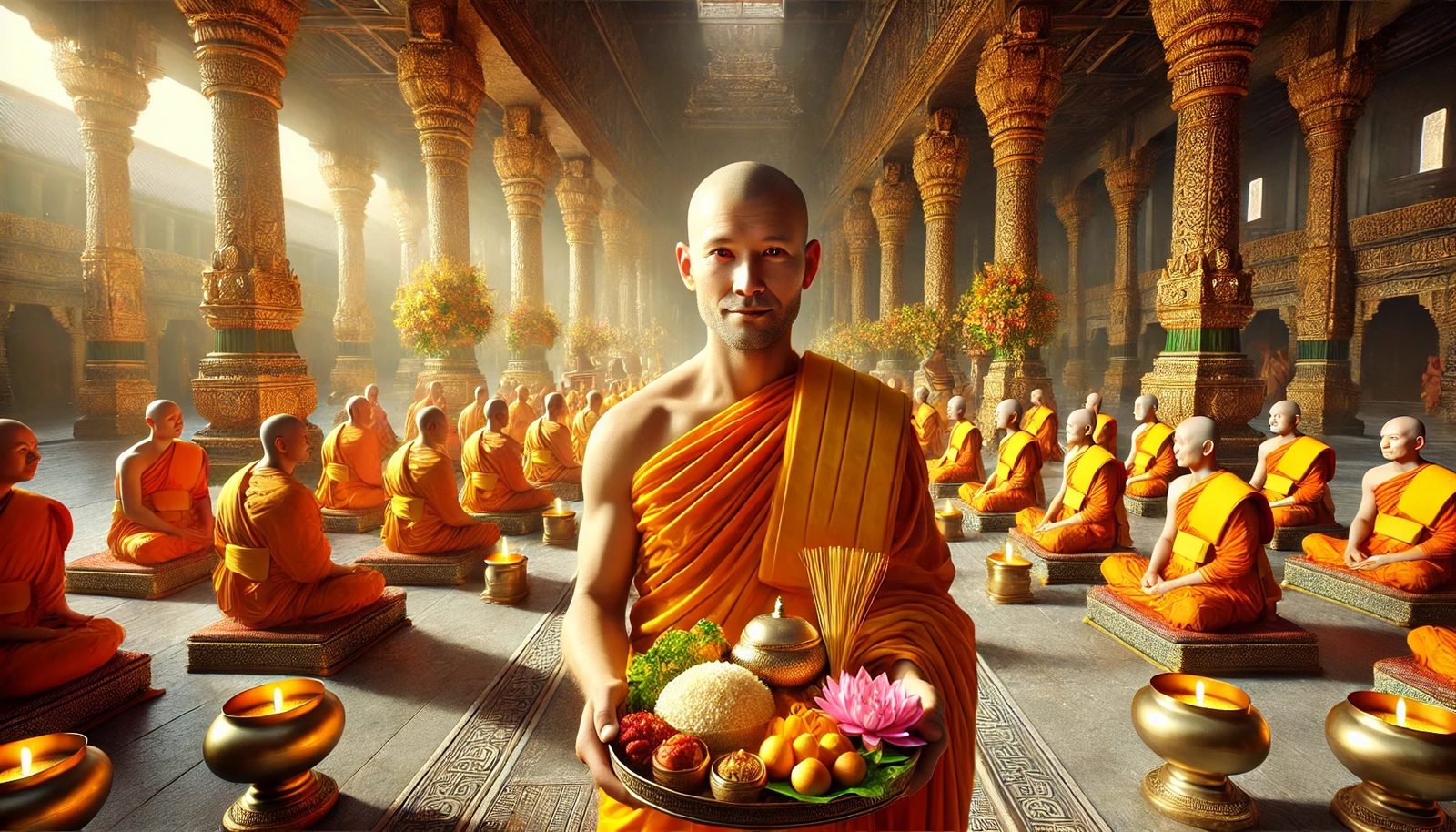
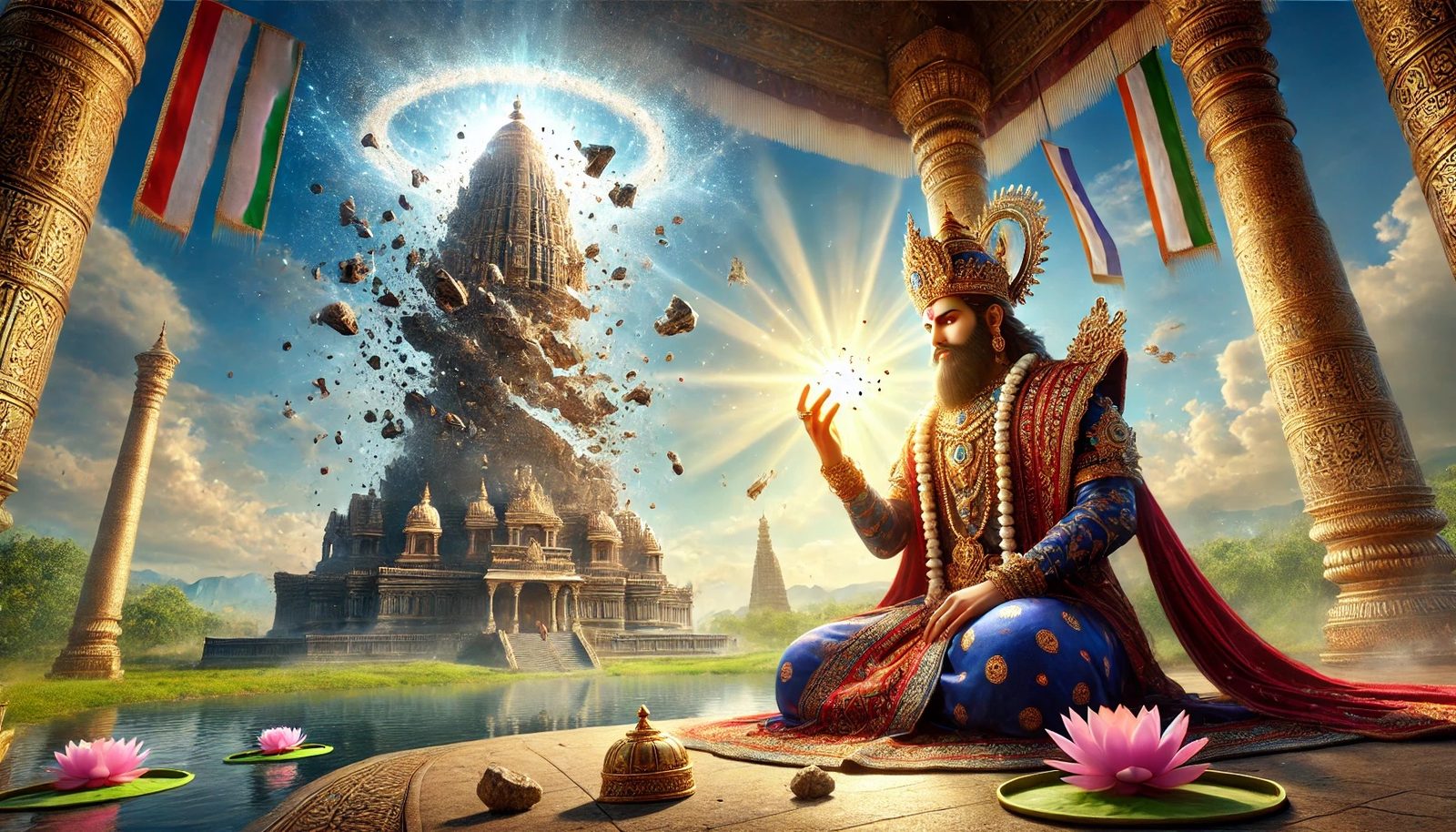
时间:01/11/2025 01/12/2025
地点:星海禅修中心
主讲:Otto Huang
佛法修行
舍利弗的得解脱
尊者舍利弗随佛陀出家半个月那天,一位名叫「长爪」的外道出家,来摩揭陀国首都王舍城北方的迦兰陀竹园精舍见佛陀。一番行礼问讯,寒暄过后,长爪外道对佛陀说:
「瞿昙大师!我的见解是:『我不接受任何见解』。」
「长爪!连你自己『我不接受任何见解』这样的见解,都不接受吗?」
「瞿昙大师!我既然讲『不接受任何见解』,这样的见解我当然也不接受啦。」
「长爪!既然连你自己的见解都不接受,那你为什么还说?如果你不说出自己的见解,谁又能帮你说?
长爪!事实上,这世界的多数人都像你一样,嘴上虽然这么说,但实际上却还持着某些见解,只有极少数人,才能真正舍弃一切见解。
长爪!沙门、婆罗门中有三类执见:一、『我接受所有见解』二、『我不接受任何见解』三、『我接受某些见解,但不接受某些见解』。其中,持第一类执见者,常为贪、瞋、痴、烦恼所缠缚,好于执取染着,不得清净远离。持第二类执见者,近于不贪、不瞋、不痴,近于不为烦恼所缠,近于清净不取不染。」
当佛陀说到这里时,长爪外道心中暗喜:
「瞿昙大师赞同我的见解!瞿昙大师推荐我的见解!」
佛陀继续说:
「持第三类执见者,当他接受某些见解时,情况与持第一类见解者同,当不接受某些见解时,则与持第二类见解者同。
持这三类执见者,若顽固地坚守着自己的见解,以为只有自己的见解才是真理,别人的都错,这样,就会与持其它两类见解者起冲突,进而发生争论、挑衅而起烦恼。有先见的智者,预见了这种烦恼生起的可能,乃能扬弃对自己见解的坚持,进而也不固执其它见解,这样,就能止息所有的执见了。
长爪!我们的身体,是由四大组成的物质色所构成,从父母所生,米粥所长,是无常,日久耗损、分崩离析之物,应以无常、苦、病、肿瘤、刺、灾难、折磨、外人、离散、空、非我视之。如果能这样看,就能舍离身体的渴求、爱着与奴役。
长爪!人有乐受、苦受、不苦不乐受等三种感受。当感受乐时,不会感受其它两种,当感受苦或不苦不乐时,也不会同时感受其它两种。长爪!这三种感受,都是无常的,条件决定的,为因缘所生的,是坏灭褪失,而终归于消散之法。多闻圣弟子能看清这点,就能对乐受、苦受、不苦不乐受不抱持任何幻想,而对它冷静理智。由对它的冷静理智,而心得解脱,就能有解脱之智:知道生死已尽,清净的修行已经确立,该作的都已完成,不再有往生下一辈子的后有爱了。
长爪!这样的解脱比丘,不会再偏执什么、争论什么,虽仍然使用世间之说,但却没有世俗的黏着。」
这时,正执扇站在佛陀后面,为佛陀搧风的尊者舍利弗,听了佛陀这番教说后,心想:
「世尊确实以他的亲证,告诉我们舍断之法;善逝确实以他的亲证,告诉我们舍离之法。」
于是,尊者舍利弗就在那儿思惟,在观无常、观生灭、观离欲、观灭尽、观舍中,不起烦恼,心得解脱。
而长爪出家外道,则远尘离垢,得法眼净:见法、得法、知法、入法,不再需要靠别人而能解决自己的疑惑,于正法中,心不再畏惧。于是,长爪外道请求跟随佛陀出家修学。
Date: 01/11/2025 01/12/2025
Location: Star Ocean Meditation Center
Teacher: Otto Huang
Dharma Talk
Sariputra’s Liberation
One day, after Venerable Sariputra had been a monk for half a month under the Buddha, a heretic named “Long Claw” came to the bamboo grove of Kalanda in the northern part of Rajagriha, the capital of the Magadha Kingdom, to meet the Buddha. After performing the proper salutations and greetings, the heretic Long Claw said to the Buddha:
”Master Gotama! My view is: ‘I do not accept any view.'”
”Long Claw! Do you not even accept the view ‘I do not accept any view’?”
”Master Gotama! Since I say ‘I do not accept any view,’ of course, I do not accept such a view.”
”Long Claw! Since you do not accept even your own view, why do you speak it? If you do not express your own view, who will speak for you?
Long Claw! In fact, most people in this world are like you. Though they speak in such a way, in reality, they still hold on to certain views. Only a very small number of people can truly abandon all views.
Long Claw! Among ascetics and Brahmins, there are three types of attachment to views: First, ‘I accept all views.’ Second, ‘I do not accept any views.’ Third, ‘I accept some views, but not others.’ Those who hold the first type of view are often entangled by greed, hatred, delusion, and afflictions, and they tend to cling to attachments, unable to attain purity and detachment.
Those who hold the second type of view are close to being free from greed, hatred, delusion, and affliction, and are near to purity without attachment or contamination.”
When the Buddha said this, Long Claw secretly rejoiced in his heart:
”Master Gotama agrees with my view! Master Gotama recommends my view!”
The Buddha continued:
”Those who hold the third type of view, when they accept some views, are in the same situation as those who hold the first type of view, and when they do not accept some views, they are similar to those who hold the second type of view.
Those who stubbornly cling to their own views, thinking that only their own views are the truth and that others’ views are wrong, will come into conflict with those who hold the other two types of views, leading to disputes and provocations that cause afflictions.
A wise person, seeing the potential for such afflictions to arise, is able to let go of their attachment to their own views and will not be rigid in clinging to others’ views. In this way, all attachment to views can be stopped.
Long Claw! Our body is made up of the four great elements, formed from the substances of our parents, nourished by food. It is impermanent, subject to decay, disintegration, and destruction. It should be seen as impermanent, suffering, illness, tumors, thorns, disasters, torture, others, separation, emptiness, and not-self. If one can see this, one can abandon the craving, attachment, and bondage to the body.
Long Claw! A person experiences three types of feelings: pleasant, unpleasant, and neutral. When experiencing pleasant feelings, one cannot simultaneously experience the other two. When experiencing unpleasant or neutral feelings, one also cannot simultaneously experience the other two.
Long Claw! These three types of feelings are impermanent, conditioned, and depend on causes and conditions. They are subject to decay and disappearance, ultimately dissolving. A disciple who has heard much of the Dharma can see this clearly and will not hold any illusions about pleasant, unpleasant, or neutral feelings. They will remain calm and rational in relation to them.
Through this calmness and rationality, one can achieve liberation, gaining the wisdom of liberation: knowing that birth and death have ceased, that the practice of purity has been established, that all tasks have been completed, and that there is no longer any attachment to rebirth in the next life.
Long Claw! Such a liberated monk will no longer cling to anything or argue about anything. Although they still use worldly speech, they are not attached to worldly matters.”
At this moment, Venerable Sariputra, who was standing behind the Buddha holding a fan to cool him, upon hearing the Buddha’s teachings, thought to himself:
”Indeed, the World-Honored One, through his personal realization, has shown us the way to abandon views. The Blessed One, through his personal realization, has shown us the way to abandon attachment.”
Then, Venerable Sariputra began to contemplate and reflect on impermanence, birth and decay, renunciation, cessation, and abandonment, without allowing any afflictions to arise, and thus his mind was liberated.
Meanwhile, Long Claw, the heretic, renounced his worldly attachments and achieved the purity of the Dharma eye: he saw the Dharma, attained the Dharma, understood the Dharma, and entered the Dharma. He no longer needed others to resolve his doubts, and in the correct Dharma, his heart was no longer fearful. Then, the heretic Long Claw requested to follow the Buddha and become a monk to practice the teachings.