时间:04/26/2025 04/27/2025
地点:星海禅修中心
主讲:Otto Huang
斋食养生
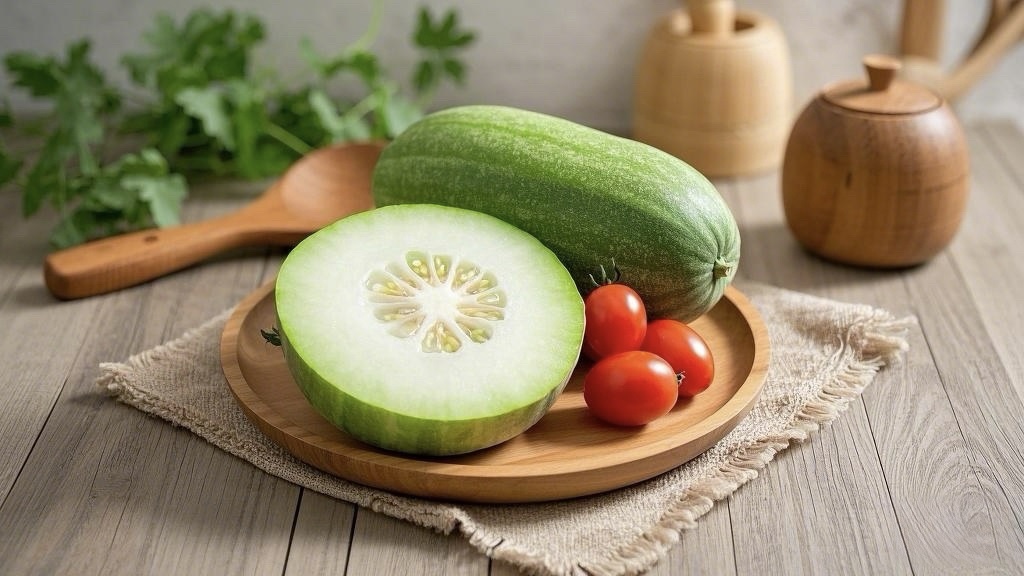
冬瓜
冬瓜:低热量高水分的健康蔬菜
一、冬瓜是什么?
冬瓜(学名 Benincasa hispida)是一种葫芦科植物的果实,因成熟时表皮覆盖一层白霜状物,形似冬天的霜雪而得名。冬瓜味道清淡,富含水分,广泛用于炖汤、炒菜、煮粥等料理中,是夏季清热消暑的理想食材。
二、冬瓜的营养价值
冬瓜是一种低热量、高水分的蔬菜,富含多种维生素和矿物质,主要营养成分包括:
1.水分:含量高达90%以上,帮助补充体液,预防脱水。
2.膳食纤维:促进肠道蠕动,帮助消化,预防便秘。
3.维生素C:增强免疫力,促进皮肤健康,抗氧化。
4.钾:有助于调节体内水分平衡,维持血压稳定。
5.低热量:适合控制体重,是理想的健康蔬菜。
三、冬瓜的健康益处
1.帮助排毒:高水分和膳食纤维有助于促进新陈代谢,排出体内废物。
2.促进消化:有助于肠道蠕动,改善消化系统功能。
3.支持心血管健康:富含钾元素,有助于调节血压,减少心血管疾病风险。
4.有助于体重管理:低热量、高饱腹感,有助于减少热量摄入。
5.清热去火:适合夏季食用,能帮助缓解燥热,保持体内水分平衡。
四、冬瓜的食用方式
1.冬瓜汤:搭配豆腐、菌菇等炖煮,汤汁清爽,营养丰富。
2.清炒冬瓜:简单炒制,口感脆嫩,清淡可口。
3.冬瓜炖菜:与胡萝卜、莲藕等炖煮,增加风味和口感。
4.冬瓜粥:与小米或薏米一起熬煮,温润养胃。
5.冬瓜凉拌:焯水后与芝麻、醋拌匀,清爽解暑。
五、关于冬瓜的小知识
如何挑选优质冬瓜?
选择表皮光滑、无明显损伤、瓜体坚实的冬瓜最佳。
冬瓜是否适合长期存放?
切开的冬瓜需冷藏保存,完整的冬瓜可存放较长时间。
冬瓜皮可以吃吗?
可以,冬瓜皮富含膳食纤维,常用于煮茶或煲汤。
总结
冬瓜是一种低热量、高水分的健康蔬菜,富含膳食纤维、维生素C和钾,适量食用有助于促进消化、清热去火、支持心血管健康,并帮助管理体重。无论是炖汤、炒菜、煮粥还是凉拌,冬瓜都是营养丰富且易于烹饪的理想选择。
Date: 04/26/2025 04/27/2025
Location: Star Ocean Meditation Center
Teacher: Otto Huang
Buddhist Diet and Regimen
Winter Melon
Winter Melon: A Hydrating and Low-Calorie Superfood
1. What is Winter Melon?
Winter melon (Benincasa hispida) is a gourd-like vegetable named for its frosty, white-coated skin when mature. It has a mild taste and high water content, making it a popular ingredient in soups, stir-fries, and porridges, especially in warm climates to promote hydration and cooling effects.
2. Nutritional Value of Winter Melon
Winter melon is low in calories but rich in water, fiber, vitamins, and minerals. Key nutrients include:
1.Water: Over 90% water content, aiding hydration and preventing dehydration.
2.Dietary Fiber: Supports digestion, promotes bowel movements, and prevents constipation.
3.Vitamin C: Boosts immunity, promotes skin health, and acts as an antioxidant.
4.Potassium: Helps regulate body fluid balance and maintain stable blood pressure.
5.Low Calories: Ideal for weight management due to its high satiety and minimal caloric content.
3. Health Benefits of Winter Melon
1.Aids Detoxification: High water and fiber content help flush out toxins and support metabolism.
2.Promotes Digestion: Fiber-rich content enhances gut health and prevents constipation.
3.Supports Heart Health: Potassium helps regulate blood pressure and reduces cardiovascular risks.
4.Assists in Weight Management: Low in calories and high in volume, making it a satisfying and diet-friendly food.
5.Cooling and Hydrating: Helps reduce body heat, making it a perfect food for hot weather.
4. Best Ways to Eat Winter Melon
1.Winter Melon Soup: Simmered with tofu and mushrooms for a light, nourishing broth.
2.Stir-Fried Winter Melon: Lightly sautéed for a crisp and refreshing dish.
3.Braised Winter Melon: Cooked with carrots and lotus root for enhanced flavor.
4.Winter Melon Porridge: Boiled with millet or barley for a soothing meal.
5.Cold Winter Melon Salad: Blanched and mixed with sesame and vinegar for a cooling appetizer.
5. Interesting Facts About Winter Melon
How to Choose the Best Winter Melon?
Look for smooth, firm skin without blemishes or soft spots.
How to Store Winter Melon?
Whole melons store well at room temperature, while cut portions should be refrigerated.
Can You Eat Winter Melon Skin?
Yes, the skin contains fiber and can be used in herbal teas or soups.
Conclusion
Winter melon is a low-calorie, high-water vegetable packed with fiber, vitamin C, and potassium. Regular consumption promotes digestion, hydration, detoxification, heart health, and weight management. Whether cooked in soups, stir-fried, made into porridge, or served as a salad, winter melon is a versatile and nutritious addition to a healthy diet.