时间:12/02/2023 12/03/2023
地点:星海禅修中心
主讲:Lucy Zhou
斋食养生
圆白菜
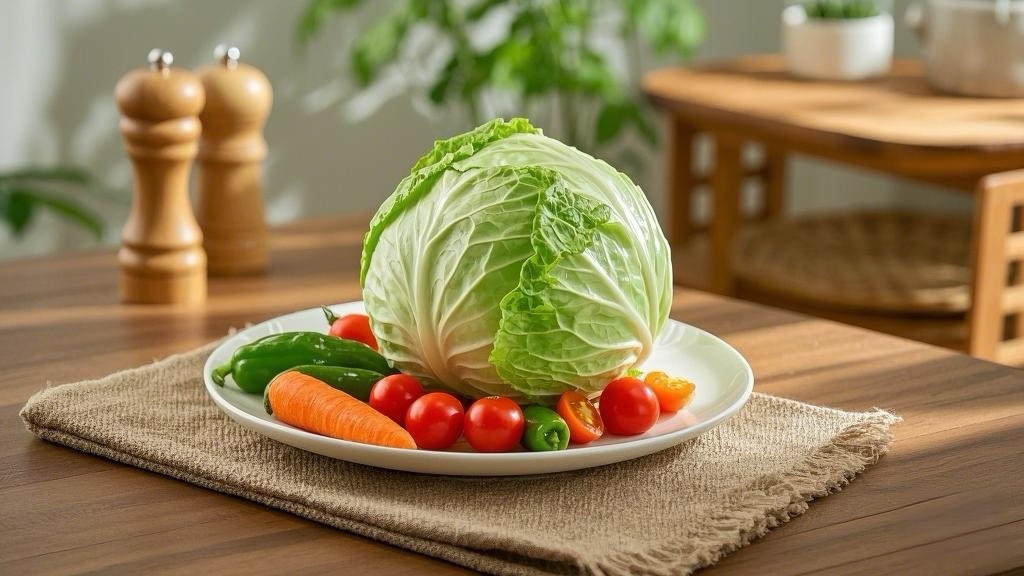
圆白菜:富含营养的健康蔬菜
一、圆白菜是什么?
圆白菜(学名:Brassica oleracea var. capitata),又称包菜、卷心菜,是一种十字花科蔬菜,广泛种植于世界各地。它的叶片层层包裹,质地脆嫩,口感清甜,可生吃、蒸煮、炖煮或炒制。
二、圆白菜的营养价值
圆白菜富含维生素、矿物质和膳食纤维,具有极高的营养价值,包括:
1. 维生素C:有助于增强免疫力,促进铁的吸收,保护皮肤健康。
2. 维生素K:有助于维持血液凝固功能,促进骨骼健康。
3. 叶酸:对细胞生长和新陈代谢至关重要,特别适合孕期女性。
4. 膳食纤维:帮助促进肠道蠕动,改善消化系统功能。
5. 抗氧化物质:含有类黄酮和硫代葡萄糖苷,有助于减少氧化应激,保护细胞健康。
三、圆白菜的健康益处
1. 促进消化健康:富含膳食纤维,能够促进肠道蠕动,改善消化系统功能。
2. 保护心血管健康:低热量、高纤维的特点有助于维持健康的血脂水平。
3. 增强免疫力:维生素C含量丰富,有助于增强机体抵抗力。
4. 支持骨骼健康:维生素K有助于维持骨密度,降低骨质流失风险。
5. 抗氧化与细胞保护:含有天然抗氧化物质,有助于减少自由基损伤,延缓衰老。
四、圆白菜的食用方式
1. 凉拌:切丝后与调味料拌匀,口感清爽。
2. 蒸煮:简单加热可保持其清甜和营养价值。
3. 炖煮:加入汤品,增添口感和营养。
4. 炒制:简单快炒,保留清脆口感。
5. 发酵:可制作泡菜,提高风味,同时促进肠道健康。
五、关于圆白菜的小知识
如何挑选优质圆白菜?
选择外叶完整、颜色翠绿、质地紧实的圆白菜最佳。
圆白菜可以生吃吗?
可以生吃,但应清洗干净,以减少残留物。
如何存放圆白菜?
放入冰箱冷藏,可存放约1-2周,避免受潮。
总结
圆白菜是一种营养丰富、用途广泛的健康蔬菜,富含维生素C、维生素K、叶酸和膳食纤维。它不仅有助于促进消化、增强免疫力、保护心血管健康,还能延缓衰老。无论是凉拌、炖煮还是炒制,圆白菜都是健康饮食的理想选择。
Date: 12/02/2023 12/03/2023
Location: Star Ocean Meditation Center
Teacher: Lucy Zhou
Buddhist Diet and Regimen
Cabbage
Cabbage: A Nutrient-Rich and Healthy Vegetable
1. What is Cabbage?
Cabbage (Brassica oleracea var. capitata) is a cruciferous vegetable grown worldwide. Its tightly packed leaves give it a crisp texture and mildly sweet flavor. Cabbage can be eaten raw, steamed, boiled, stir-fried, or fermented.
2. Nutritional Value of Cabbage
Cabbage is packed with essential vitamins, minerals, and dietary fiber, offering numerous health benefits, including:
1. Vitamin C: Supports immune function, enhances iron absorption, and protects skin health.
2. Vitamin K: Essential for blood clotting and bone health.
3. Folate: Important for cell growth and metabolism, particularly beneficial for pregnant women.
4. Dietary Fiber: Promotes healthy digestion and improves gut function.
5. Antioxidants: Contains flavonoids and glucosinolates that help reduce oxidative stress and support cellular health.
3. Health Benefits of Cabbage
1. Aids Digestion: High fiber content supports gut motility and digestive health.
2. Supports Heart Health: Low in calories and high in fiber, which helps maintain healthy cholesterol levels.
3. Boosts Immunity: Rich in vitamin C, which strengthens the body’s natural defenses.
4. Promotes Bone Health: Vitamin K plays a key role in maintaining bone density and reducing bone loss.
5. Protects Against Oxidative Stress: Natural antioxidants help neutralize free radicals and slow down aging.
4. Best Ways to Eat Cabbage
1. Raw in Salads: Thinly sliced and mixed with seasonings for a fresh, crunchy texture.
2. Steamed: Retains its natural sweetness and nutrients.
3. Added to Soups: Enhances flavor and nutritional value.
4. Stir-Fried: Lightly cooked for a crisp and tender dish.
5. Fermented: Used in making kimchi or sauerkraut, which promotes gut health.
5. Interesting Facts About Cabbage
How to Choose the Best Cabbage?
Look for firm, compact heads with vibrant green leaves.
Can Cabbage Be Eaten Raw?
Yes, but it should be thoroughly washed to remove any residues.
How to Store Cabbage?
Keep it refrigerated for 1-2 weeks, avoiding excess moisture.
Conclusion
Cabbage is a nutrient-dense vegetable loaded with vitamin C, vitamin K, folate, and fiber. Regular consumption supports digestion, boosts immunity, protects heart health, and slows aging. Whether eaten raw, cooked, or fermented, cabbage is a versatile and healthy addition to any diet.