时间:12/02/2023 12/03/2023
地点:星海禅修中心
主讲:妙行
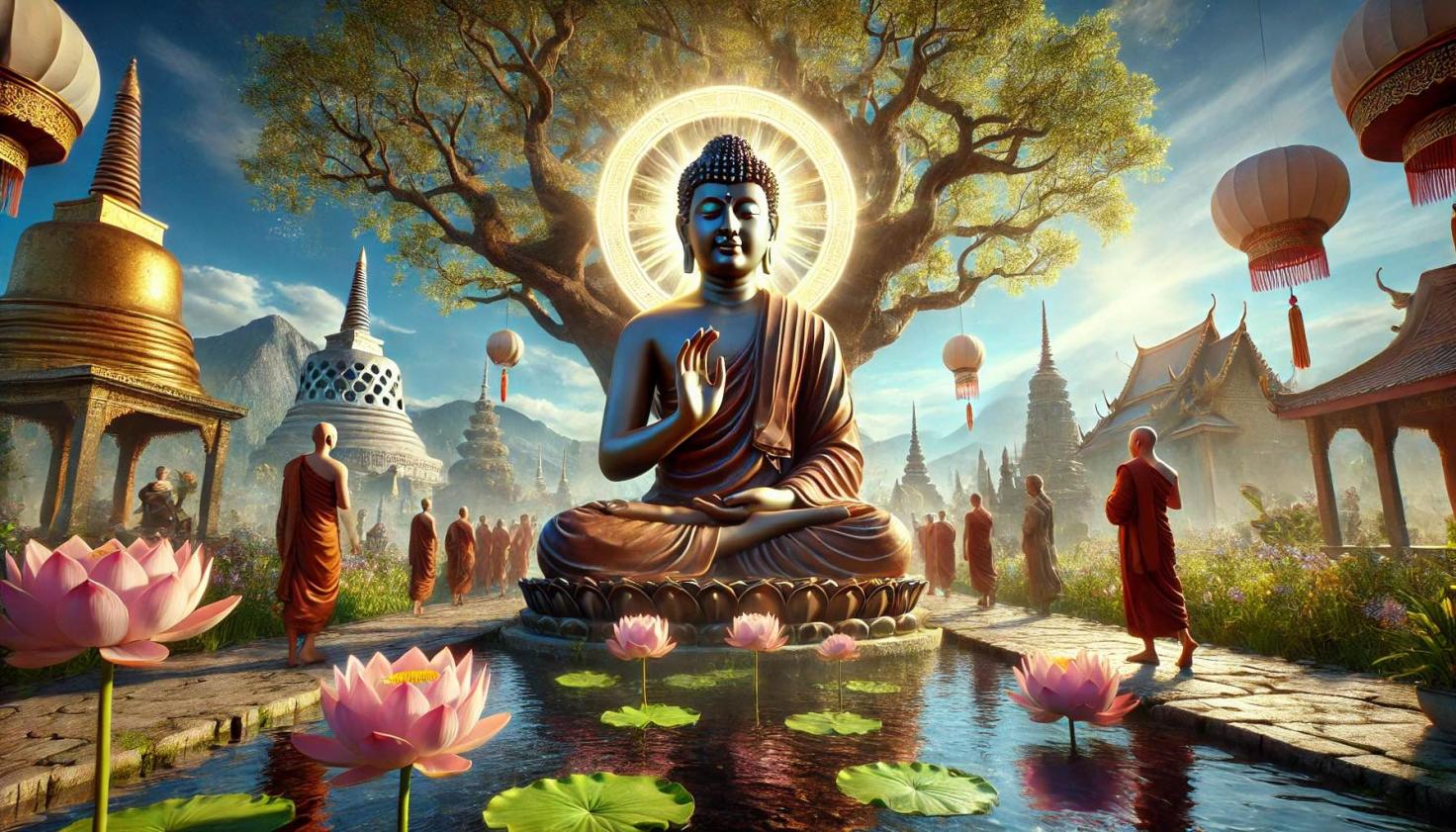
佛法知识
什么是佛法?
什么是佛法,这是许多人在接触佛教时最先提出的问题。佛法并不是一套抽象而遥远的理论,也不是对神秘力量的崇拜,而是佛陀在觉悟之后,对生命真实状态的洞见与指引。“佛”意为觉悟者,佛法即觉悟之法,是帮助众生认识自己、理解世界、减少痛苦并走向解脱的一条道路。
佛法的出发点源于对人生普遍处境的观察。人生中充满了不圆满:生老病死、爱别离、求不得、怨憎会,以及各种身心烦恼。佛法并不否认这些现实,也不试图用安慰性的幻想来掩盖它们,而是直面问题本身。佛陀指出,痛苦并非外界单方面强加给人的,而是与人的内心状态密切相关,尤其与无明、贪欲和执着有关。
在佛法看来,世间一切现象都具有无常的特性,没有任何事物是永远不变的。人们之所以感到痛苦,往往是因为把无常的事物当作恒常,把暂时的感受当作永恒的依靠。当现实发生变化时,内心便产生抗拒、恐惧或失落。佛法通过教导人认识无常,帮助人逐渐放下对控制和占有的执念,从而获得更大的心理自由。
佛法同时强调“缘起”的思想,即一切事物都是在因缘条件具足时产生的,没有孤立、独立存在的实体。人的情绪、行为和习惯也是如此,它们并非固定不变的“自我”,而是因环境、经验和内心反应而形成。正因为如此,佛法认为人是可以改变的,通过觉察和修行,可以转化不良的习气,培养更清明、善良和稳定的心。
在实践上,佛法并不局限于理论学习,而重视实际体验。它引导人从日常生活入手,观察自己的身、口、意,学习减少伤害,培养专注与觉知,并逐渐生起智慧。修行不是逃避现实,而是在现实中看清现实,不再被情绪和欲望反复牵引,从而以更平和的心面对人生起伏。
佛法也高度重视慈悲精神。真正的觉悟并不是冷漠或抽离,而是在理解痛苦的基础上,对他人产生深切的关怀。当一个人认识到众生都在无常与不安中挣扎时,便不再只关注自身得失,而愿意以善意和责任心对待世界。智慧让人看清真相,慈悲让人愿意行动,这两者在佛法中始终相辅相成。
此外,佛法提出中道的生活态度,反对走向任何极端。它既不鼓励纵欲享乐,也不赞成压抑身心的苦行,而是提倡一种平衡、清醒而有觉知的生活方式。在现代社会中,这种中道精神尤其具有现实意义,它提醒人们在追求成就与效率的同时,不忽视内在的安宁与身心健康。
总体而言,佛法是一条引导人认识真相、转化内心、减少痛苦、增长智慧与慈悲的道路。它不要求盲目信仰,而鼓励亲身观察与实践。无论是否以宗教形式接受佛法,其核心思想都能为现代人提供深刻而实用的生命启示。
Date: 12/02/2023 12/03/2023
Location: Star Ocean Meditation Center
Teacher: Laura
Dharma Knowledge
What is the Dharma?
This question often arises when people first encounter Buddhism. The Dharma is not a system of abstract speculation, nor is it the worship of a divine being. It refers to the truth realized by the Buddha upon awakening and the path he taught to help others understand life, reduce suffering, and attain inner freedom. The word “Buddha” means “the awakened one,” and the Dharma is the way of awakening.
The Dharma begins with a clear observation of human life. Existence is marked by dissatisfaction, change, loss, aging, illness, and death. Rather than denying these realities or offering comforting illusions, the Dharma addresses them directly. The Buddha taught that suffering does not arise solely from external circumstances, but from the way the mind responds to them, particularly through ignorance, craving, and attachment.
One of the central teachings of the Dharma is impermanence. All conditioned things are constantly changing, and nothing can remain fixed forever. Much of human suffering comes from clinging to what is unstable, expecting lasting satisfaction from temporary conditions. By deeply understanding impermanence, one learns to let go of rigid expectations and gains a more flexible and peaceful relationship with life.
Closely related to this is the principle of dependent origination. According to the Dharma, nothing exists independently; all phenomena arise through causes and conditions. Thoughts, emotions, and habits are not permanent traits of a fixed self, but processes shaped by experience and environment. This insight reveals that transformation is possible. By changing conditions, especially mental ones, suffering can be reduced and well-being cultivated.
The Dharma is not merely a philosophy but a path of practice. It emphasizes ethical conduct, mindful awareness, and the development of wisdom. Through observing one’s actions, speech, and thoughts, a person gradually becomes less driven by impulse and confusion. Practice does not mean withdrawing from life, but engaging with it more clearly, responding rather than reacting to circumstances.
Compassion is a natural outcome of understanding the Dharma. Awakening is not an isolated or selfish achievement; it brings sensitivity to the suffering of others. When one sees that all beings experience uncertainty and fear, kindness and empathy arise naturally. In the Dharma, wisdom without compassion is incomplete, and compassion without wisdom lacks depth.
The Dharma also teaches the Middle Way, avoiding extremes of indulgence and self-denial. The Buddha discovered that a balanced and mindful approach supports both clarity and well-being. In the modern world, this teaching remains deeply relevant, encouraging people to live responsibly and actively while maintaining inner balance and mental health.
In essence, the Dharma is a path of understanding reality, transforming the mind, and cultivating wisdom and compassion. It does not demand blind belief, but invites inquiry, reflection, and direct experience. Whether approached as a religion or as a way of understanding life, the Dharma offers enduring guidance for living with clarity, freedom, and peace.