时间:03/29/2025 03/30/2025
地点:星海禅修中心
主讲:净真
佛法知识
打坐的正确方法
打坐在佛法中并非仪式行为,也不是追求特殊体验的手段,而是一种严格的方法,用于训练心的稳定性、清明度与可观察性。若脱离目的谈方法,或将打坐等同于放松、养生或“感觉好”,都会偏离其在佛法中的真实定位。因此,所谓“正确方法”,并非姿势是否优美,而是是否符合其功能逻辑。
首先必须明确打坐的目标。佛法中的打坐,核心目的不是进入恍惚状态,也不是制造愉悦感受,而是使心具备持续、稳定、不被牵引的觉知能力。只有在这样的状态下,经验才可被如实观察,无常、苦、无我才可能被直接理解。若打坐过程中追逐安静、光感、喜悦或任何特殊境界,本身已构成新的执取。
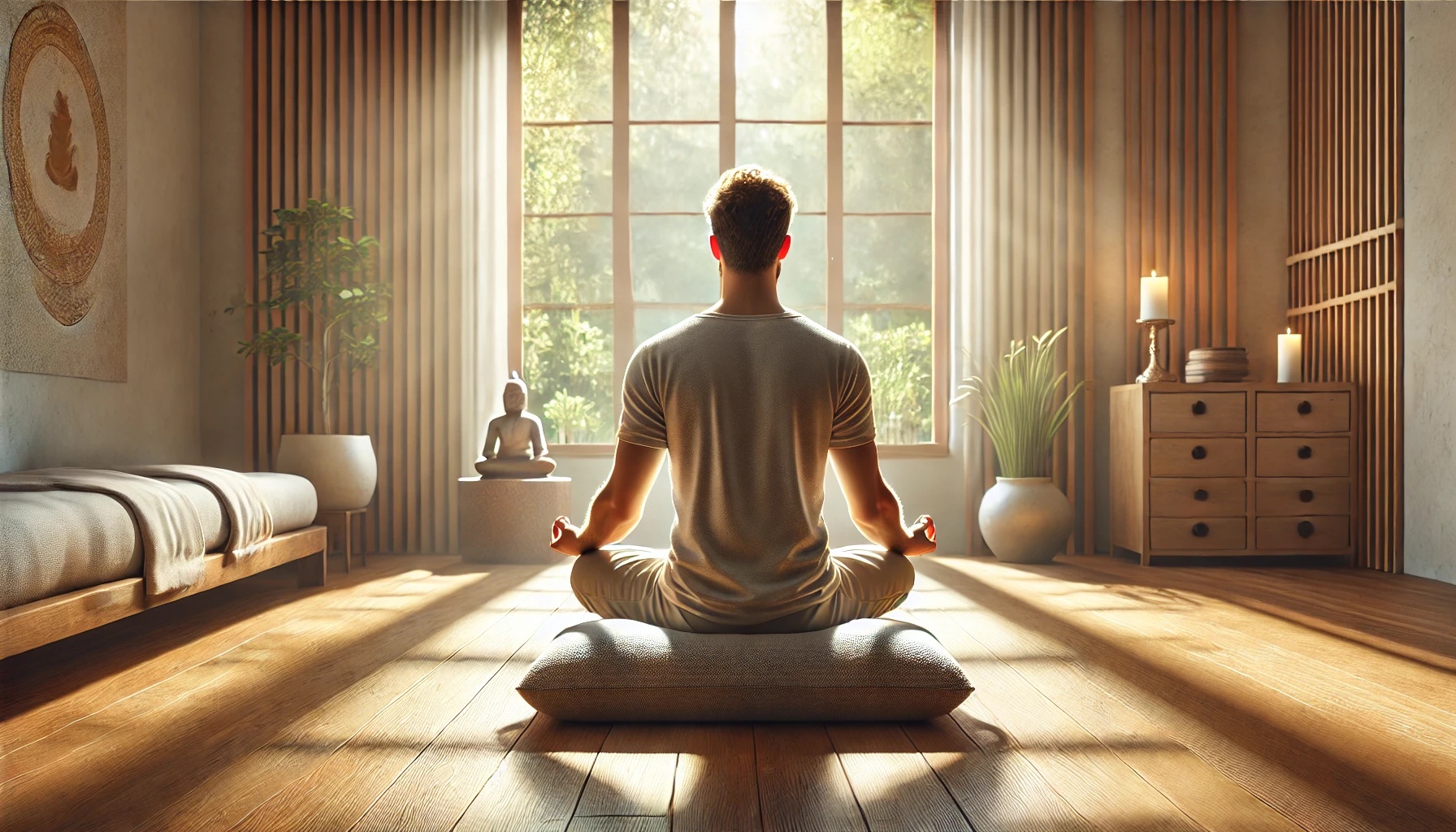
在身体层面,打坐的原则是稳定而非折磨。姿势的功能只有一个:在不引发明显痛苦的前提下,维持足够长时间的静止。坐姿可以是全跏趺、半跏趺、散盘,亦可端坐于椅上,只要脊柱自然直立、身体重心稳定即可。刻意追求高难度姿势,反而会将注意力消耗在身体对抗上,违背打坐的目的。
头部应自然端正,下巴微收,不仰不俯。双肩放松,不前倾、不僵硬。双手可自然叠放,或置于大腿之上。双眼可微闭,也可轻垂视线,但不应刻意追求某种视觉状态。身体的整体要求是“可忽略”,即在坐中不成为主要干扰源。
呼吸是初学者最常用的所缘,但呼吸本身并不是被控制的对象。正确的方法不是调整呼吸的深浅快慢,而是如实觉知其自然发生。觉知吸气、觉知呼气,仅此而已。一旦试图“把呼吸调好”,注意力便从观察转为操控,定的基础随即动摇。
在心理层面,打坐的关键不在于“没有杂念”,而在于“不跟随杂念”。念头出现是必然的,试图压制念头只会制造新的紧张。正确的态度是:觉知念头的出现,觉知其停留,觉知其消散,而不评价、不分析、不延续。念头的内容不重要,重要的是是否被牵引。
定并非排他性的专注,而是一种不散乱的觉知连续性。当觉知能够稳定地回到所缘,对象无论是呼吸、身体感受或心的状态,心便逐渐具备安住能力。这种安住不是僵住,而是清醒、灵活、可调整的稳定。
时间安排上,宁短而稳,不宜贪长。初学者以二十至三十分钟为宜,重在建立正确关系,而非忍耐。随着稳定性提高,自然可延长时间。以痛苦换时间,并不会加速进展,只会增加对打坐的厌恶。
需要特别指出的是,打坐本身并不等同于智慧。定只是条件,而非结果。若缺乏如实观察的方向,定可能发展为逃避现实的工具,甚至加重我执。因此,打坐必须与正见相结合,明确其服务于看清经验结构,而非制造另一种舒适状态。
总结而言,打坐的正确方法并不神秘:身体稳定、呼吸自然、觉知持续、态度中性、不追体验、不抗干扰。当这些条件具足,心自然趋于清明,观察才有可能发生。除此之外的任何附加目的,都会使打坐偏离其在佛法中的位置。
Date: 03/29/2025 03/30/2025
Location: Star Ocean Meditation Center
Teacher: Sara
Dharma Knowledge
The Correct Method of Sitting Meditation
In the context of the Dharma, sitting meditation is neither a ritual nor a technique for producing special experiences. It is a disciplined method for training mental stability, clarity, and observability. Without a clear understanding of its purpose, meditation is easily mistaken for relaxation, self-care, or emotional enhancement. The “correct method” therefore refers not to outward form, but to functional alignment with its intended role.
The primary aim of meditation in the Dharma is not trance, bliss, or unusual states, but the cultivation of sustained, stable awareness. Only when the mind can remain present without being pulled by stimuli can impermanence, suffering, and non-self be directly observed. The pursuit of calm, pleasure, or extraordinary sensations already constitutes a new form of attachment.
At the bodily level, the guiding principle is stability rather than endurance. Posture serves a single function: allowing the body to remain still for an extended period without significant discomfort. One may sit cross-legged in various forms or sit upright on a chair. What matters is a naturally upright spine and a balanced center of gravity. Striving for difficult postures only diverts attention into bodily struggle.
The head should be upright and relaxed, the chin slightly tucked. Shoulders remain loose, not raised or slumped. Hands rest naturally. The eyes may be gently closed or lightly lowered, without fixation. The body should become “background,” no longer the primary focus of attention.
Breath is often used as an initial object of meditation, but it must not be controlled. The task is not to regulate breathing, but to know it as it is. Awareness of inhalation and exhalation, without interference, is sufficient. The moment one tries to improve the breath, observation is replaced by manipulation, and mental stability is compromised.
Psychologically, the key to meditation is not the absence of thought, but the absence of following thought. Mental activity will arise naturally. Suppression only creates tension. The correct approach is to notice the arising of thoughts, their presence, and their disappearance, without judgment, analysis, or continuation. The content of thoughts is irrelevant; what matters is non-entanglement.
Concentration in this context is not exclusionary focus, but continuity of awareness without scattering. When awareness can repeatedly return to its object—whether breath, bodily sensation, or mental state—the mind develops the capacity to remain settled. This settledness is not rigidity, but alert and adaptable stability.
Regarding duration, shorter and steadier sessions are preferable to prolonged endurance. Beginners may start with twenty to thirty minutes, prioritizing correct orientation over persistence. Duration can increase naturally as stability matures. Pain-based effort does not accelerate progress and often generates aversion.
It is crucial to note that meditation alone does not constitute wisdom. Concentration is a condition, not an end. Without proper understanding, concentration can become a means of avoidance or reinforce subtle self-clinging. Meditation must therefore be guided by right view, serving the investigation of experience rather than the pursuit of comfort.
In summary, the correct method of sitting meditation is simple and unembellished: a stable body, natural breathing, continuous awareness, neutral attitude, no pursuit of experience, and no resistance to disturbance. When these conditions are met, clarity can emerge, and observation becomes possible. Any additional agenda moves meditation away from its place within the Dharma.