时间:02/28/2026 03/01/2026
地点:星海禅修中心
主讲:净真
打坐参禅
禅坐时体温变化与气感
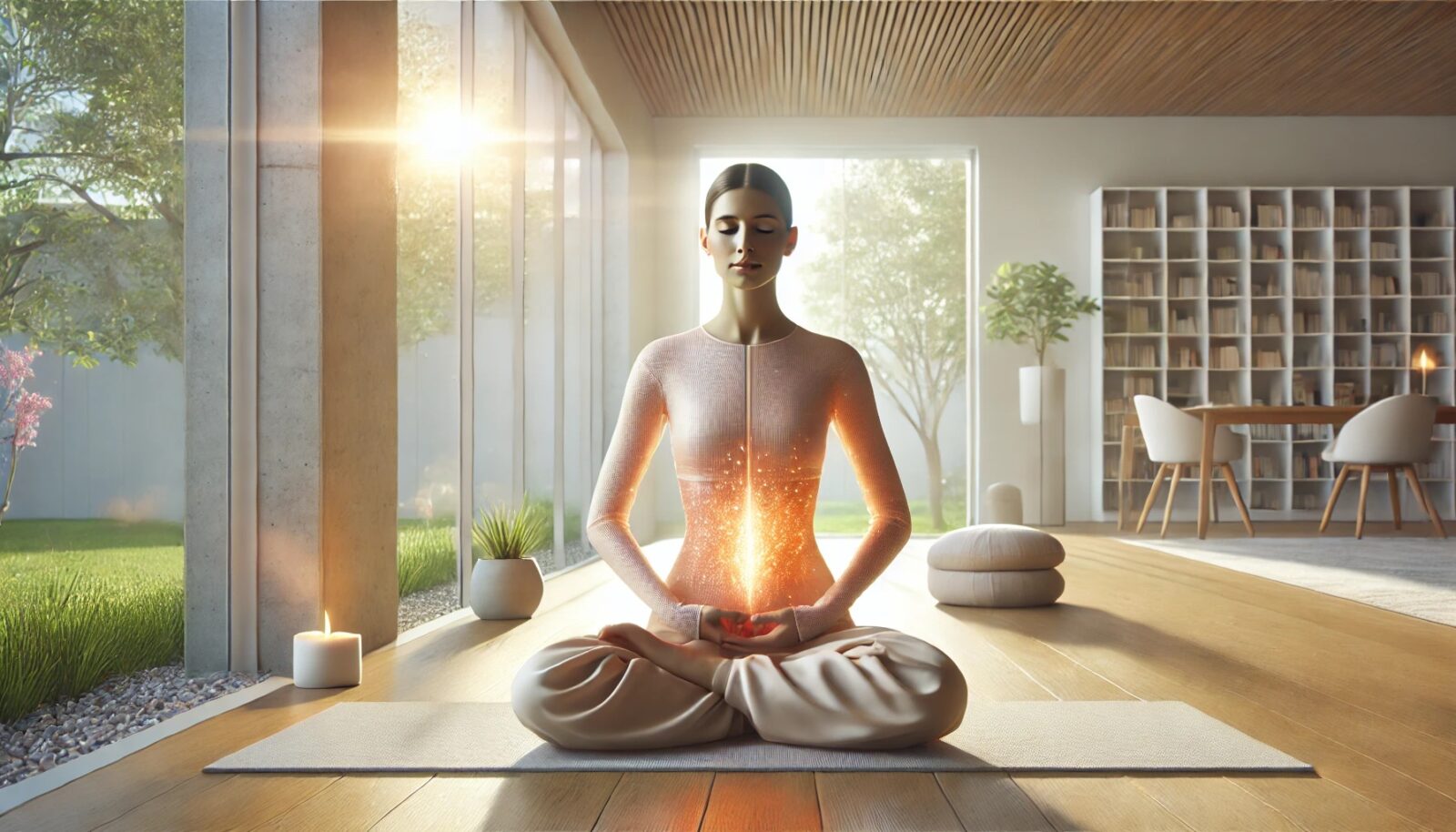
禅坐过程中,身体常出现温热、清凉、轻微发汗、气流流动、胀麻或能量扩散等现象。这些体验并非神秘,也不必刻意追求,而是身心在安静、专注与放松状态下自然呈现的生理与心理反应。若缺乏理解,容易误判为异常;若过度执着,又会偏离修行本质。正确的态度,是如实观察、不过度解释、不强化也不排斥,使觉知保持稳定与平衡。
一、理解体温与气感的自然性
1.身心放松引发循环变化
禅坐时副交感神经活跃,血液循环重新分配,末梢血管扩张,可能带来温热或微凉感受。这是生理调节的自然结果,并非特殊现象。
2.专注增强感知敏锐度
当心不再分散于外境,内在感觉变得清晰,平时不易察觉的细微流动、脉动或气息变化会被放大。
3.能量感受属于综合体验
所谓“气感”,多为呼吸、肌肉放松、神经反应与心理期待共同作用的综合感受,并无固定形态或实体。
4.变化本身并不代表进步
温热强弱、气感明显与否,不等同于禅修深浅,若将其视为指标,容易产生比较与执取。
二、常见的身体变化现象
1.局部发热或发凉
手心、脚底、背部或腹部可能出现温度波动,通常与血流与姿势有关。
2.轻微发汗或皮肤发麻
静坐时间较长时,代谢与神经反应调整,可能产生出汗或麻胀感。
3.气流上升或下沉感
随着呼吸变细,身体内部似有流动感,尤其在脊柱、腹部或胸腔区域明显。
4.整体轻安或沉重感
身体可能感到漂浮般轻盈,或沉稳厚重,皆为神经系统平衡变化的表现。
三、正确观照的方法
1.保持平等心观察
对温热或气感不特别兴奋,也不刻意压制,只是如实看见其出现与变化。
2.回到呼吸为锚点
若体验过于明显,轻轻将注意力回到呼吸,使心保持稳定。
3.不赋予特殊意义
不将身体感觉解释为神秘征象或修行成就,避免妄想与期待。
4.观察其生灭过程
体温与气感皆随时间变化,体会其无常性,有助于松解执取。
四、可能的误区与调整
1.过度追求强烈体验
刻意制造呼吸或姿势改变以增强气感,反而破坏自然平衡。
2.误判为异常状况
若无明显不适或持续疼痛,多数变化属正常现象,无需焦虑。
3.因恐惧而中断修行
面对未知体验时,先稳定呼吸与觉知,再决定是否调整。
4.忽略身体基本需求
保持适度保暖、通风与舒适姿势,是避免极端体温变化的基础。
五、在变化中安住觉知
1.体温波动只是现象
它如同念头一般出现又消失,不具固定本质。
2.气感属于过程而非实体
所谓流动,只是条件交织下的暂时体验。
3.觉知始终不变
不论冷热或流动,觉知本身保持清明与稳定。
4.平衡比体验更重要
修行重在稳定、持续与清醒,而非追求感觉。
总结
禅坐时体温变化与气感,是身心调节过程中的自然现象。通过理解与平等观察,既不夸大也不排斥,觉知便能在变化之中保持清醒与安定,使修行回归本质。
Date: 02/28/2026 03/01/2026
Location: Star Ocean Meditation Center
Teacher: Sara
Sitting Meditation
Changes in Body Temperature and Sensations of Energy During Meditation
During meditation, the body may experience warmth, coolness, slight perspiration, flowing sensations, tingling, or a sense of expanding energy. These are neither mystical nor goals to pursue, but natural physiological and psychological responses arising from relaxation and focused awareness. Without understanding, they may be misinterpreted; with attachment, they may distract from practice. The correct approach is simple observation without exaggeration or resistance, maintaining steady awareness.
1. Understanding the Natural Basis of Temperature and Energy Sensations
1.Relaxation alters circulation
Activation of the parasympathetic system redistributes blood flow, creating warmth or coolness as a normal physiological adjustment.
2.Heightened sensitivity through concentration
With reduced external distraction, subtle internal sensations become clearer and more noticeable.
3.“Energy” as a composite experience
Perceived energy flow often reflects breathing patterns, muscle relaxation, nerve responses, and expectation combined.
4.Sensation does not equal progress
Intensity of warmth or energy does not measure depth of meditation and should not become a standard of evaluation.
2. Common Bodily Experiences
1.Local warmth or coolness
Hands, feet, back, or abdomen may shift in temperature due to posture and circulation.
2.Mild perspiration or tingling
Metabolic and neural adjustments can produce sweating or numbness during extended sitting.
3.Sense of rising or descending flow
As breathing refines, internal movement may be felt along the spine or torso.
4.Lightness or heaviness
The body may feel buoyant or grounded as nervous balance shifts.
3. Skillful Observation
1.Maintaining equanimity
Neither excitement nor suppression—simply observe changes as they arise.
2.Returning to the breath
If sensations intensify, gently anchor attention in breathing.
3.Avoiding special interpretation
Do not attribute mystical meaning or achievement to bodily feelings.
4.Observing impermanence
Notice how sensations shift and dissolve over time.
4. Possible Misunderstandings and Adjustments
1.Seeking intense experiences
Manipulating breath or posture to amplify sensation disrupts natural balance.
2.Misjudging normal reactions as abnormal
Without persistent pain or distress, most changes are natural.
3.Stopping practice due to fear
Stabilize awareness first before reacting to unfamiliar sensations.
4.Neglecting basic comfort
Proper warmth, ventilation, and posture prevent extreme discomfort.
5. Resting Awareness Within Change
1.Temperature shifts are phenomena
They arise and pass without fixed essence.
2.Energy sensations are processes
They are temporary patterns of conditions, not entities.
3.Awareness remains steady
Clarity is unaffected by warmth or movement.
4.Balance is more important than sensation
Practice emphasizes stability and lucidity over experience.
Conclusion
Changes in body temperature and energy sensations during meditation are natural processes of regulation. Through balanced observation without exaggeration or rejection, awareness remains clear and steady, allowing practice to remain grounded and authentic.