时间:04/25/2026 04/26/2026
地点:星海禅修中心
主讲:净诚
佛法修行
勤苦七日养马缘
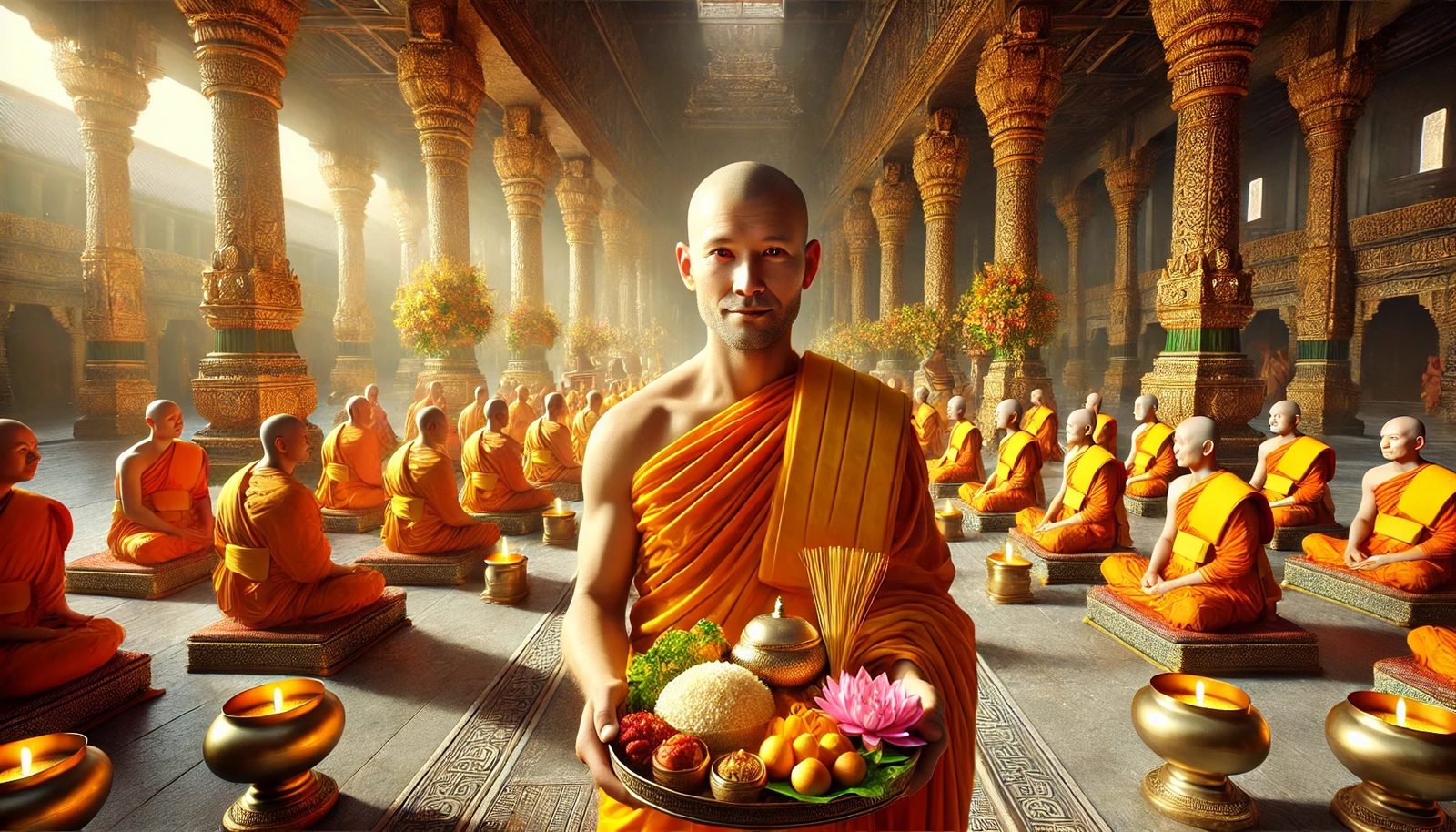
昔日,佛住于罗阅城竹园精舍中,有一千二百五十位比丘随佛而住。当时,有国王名摩达,准备出兵对外征讨,挑选国内数百万人民从军。有一位已证罗汉果的比丘,托钵来到此国,也被选中并被引到王宫门口。为国王掌管马匹的马监看到比丘,命他负责喂养并照管官马,比丘于是勤苦养马七日。
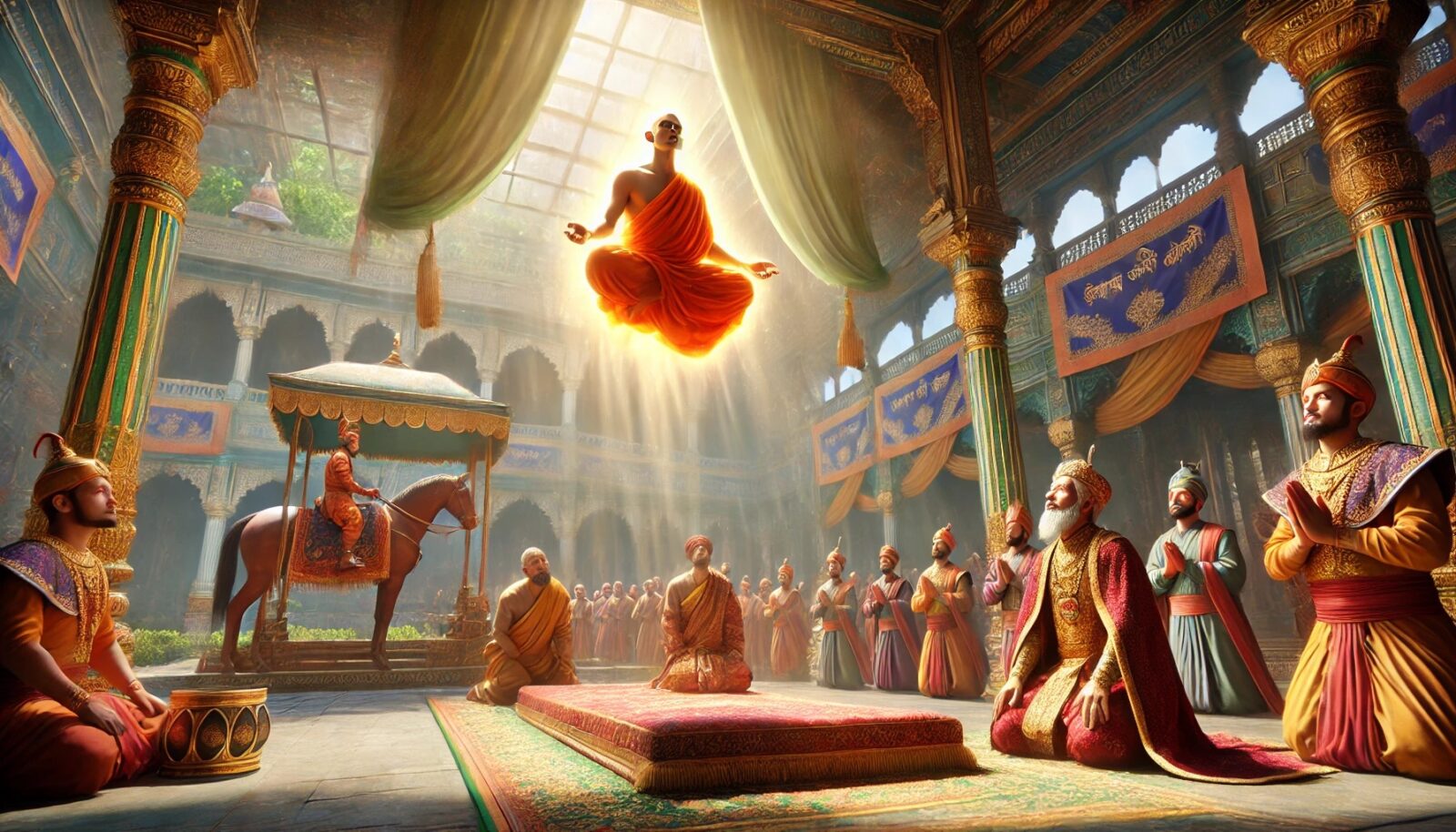
后来,摩达王亲自校阅军队,比丘见到国王,即在国王面前腾空飞翔,停于空中,展现神通。国王见此景象,心生恐惧,立即叩头悔过:「我实愚痴,不能分辨真伪。我将追查是谁令尊者辛苦养马,一定将他杀了治罪。」
比丘告诉国王:「不是国王及人民的过失,是我自己宿命所致。往昔我修道时,常供养师父,有一次为师父备斋时,师父告诉我:『且先洗手,再行斋事。』但我愚痴,起心动念:『师父又不用照养官马,为何不预先洗好手?』师父知我心念,即告诉我:『你现在起这轻微的念头,未来果报却很重,你当如何?』我听到师父这样说,心生忧愁。师父知道我忧愁,心想:『我将入涅盘,为何让人起烦恼呢?』即于当夜三更入涅盘。久远以来,历经生死轮回,我今生受宿殃之报,养马七日。行善得福、造恶得祸,必然受报,因果如影随形。」
摩达王听比丘说罪福之理,心开意解,祈求皈依。比丘告诉国王:「你应当皈依佛,佛是三界导师。」于是国王及人民,跟随比丘来到佛所在的地方,向佛顶礼后,皆受五戒作优婆塞。佛为国王及人民现相好威神,光明照耀天地;并为大众开示无常、苦、空之理。国王听闻了开示,得须陀洹道;国中人民亦皆受五戒、十善,敬奉三宝、严持斋戒,以为常法。
此时,阿难尊者整衣向佛顶礼,请问:「世尊!摩达国王及人民,见佛闻法,即心开意解,是何因缘而能如此?」佛说:「往昔,摩父佛住世时,这位已经证罗汉果的比丘是位沙门,摩达王当时是优婆塞,清净心供养沙门三日,以此功德,常得受福,今世得度因缘成熟,见佛闻法,即得须陀洹果。」
四众弟子、天龙鬼神,听闻佛开示,皆心生欢喜,向佛顶礼后离去。
Date: 04/25/2026 04/26/2026
Location: Star Ocean Meditation Center
Teacher: Jason
Dharma Talk
The Karmic Cause of Seven Days of Hard Labor in Tending Horses
Once, the Buddha resided in the Bamboo Grove Monastery in Rājagṛha, accompanied by one thousand two hundred and fifty bhikṣus. At that time, there was a king named Moda who was preparing to send troops on a military campaign and selected several million people from his country to serve. A bhikṣu who had already attained arhatship came to this country on alms round and was also selected and brought to the palace gate. The royal overseer of horses saw the bhikṣu and ordered him to feed and tend the official horses. Thus, the bhikṣu labored diligently in caring for the horses for seven days.
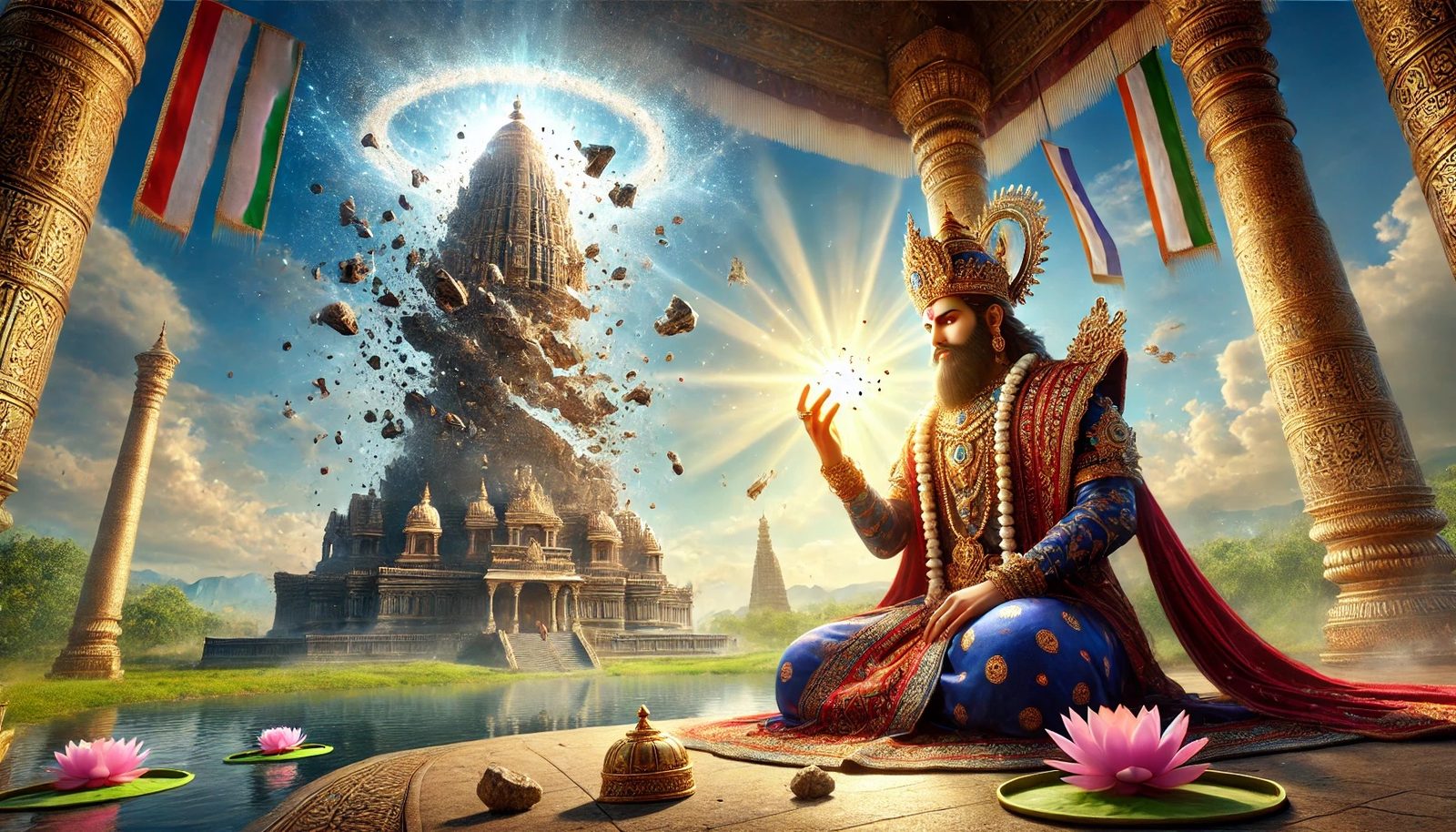
Later, King Moda personally inspected the army. When the bhikṣu saw the king, he rose into the air and hovered before him, displaying supernatural powers. Seeing this, the king was struck with fear and immediately bowed in repentance, saying, “I am truly foolish and unable to discern truth from falsehood. I will investigate who caused the venerable one to suffer in tending horses and will surely put that person to death.”
The bhikṣu told the king, “This is not the fault of the king or the people, but the result of my own past karma. In the past, when I practiced the Way, I often made offerings to my teacher. Once, while preparing a meal for him, my teacher told me, ‘First wash your hands, then proceed with the meal.’ But in my ignorance, I thought, ‘My teacher does not have to tend official horses, so why does he not wash his hands beforehand?’ My teacher knew my thought and said, ‘Though this thought is slight now, its future retribution will be heavy. What will you do then?’ Hearing this, I became troubled. My teacher, knowing my distress, thought, ‘I will soon enter nirvāṇa; why cause others to give rise to affliction?’ That very night, in the third watch, he entered nirvāṇa. Since then, through long cycles of birth and death, I now receive the karmic retribution in this life, tending horses for seven days. Good deeds bring blessings, evil deeds bring misfortune; retribution is certain, and cause and effect follow like a shadow.”
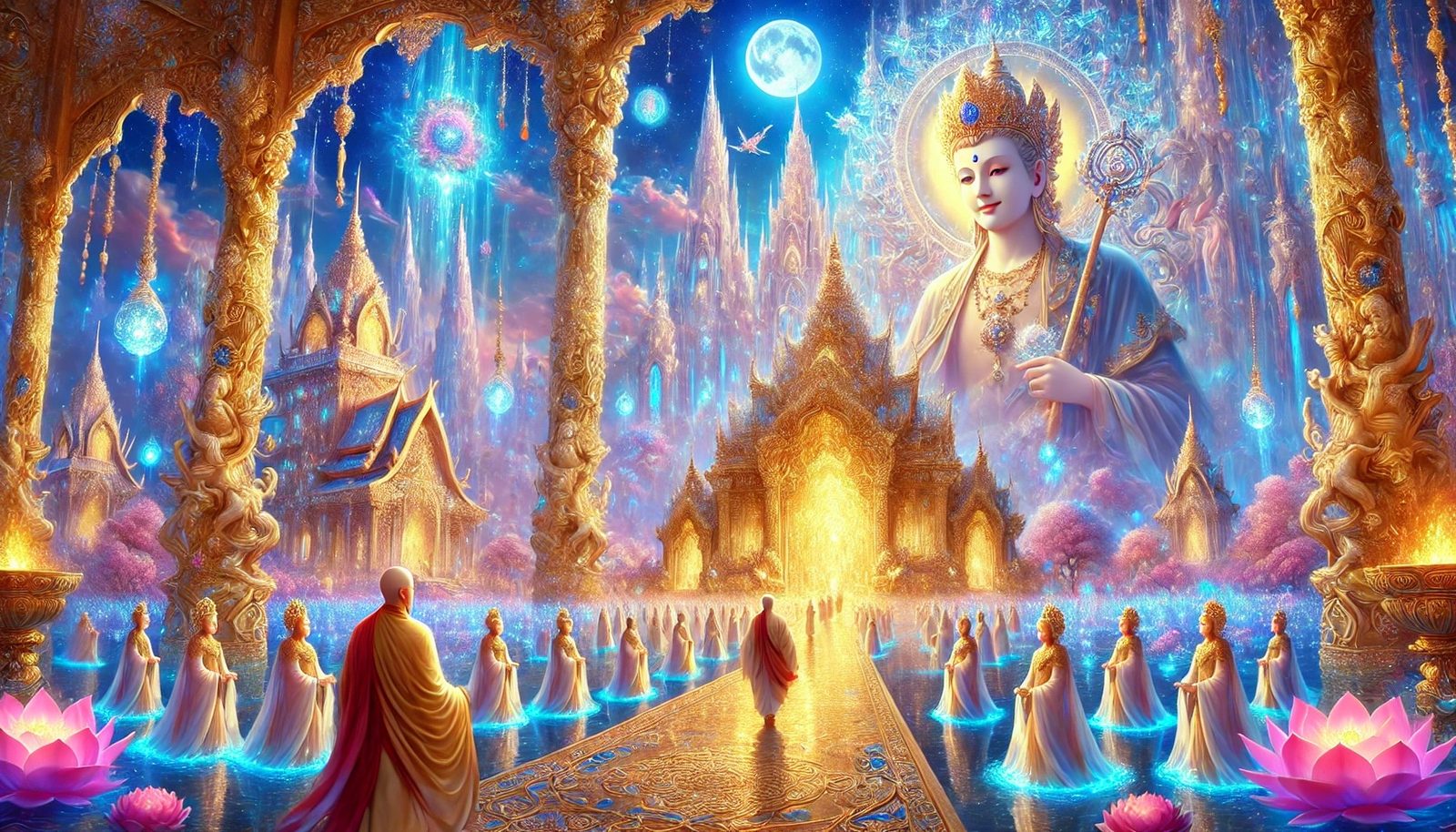
Upon hearing the bhikṣu explain the principles of karma, King Moda’s mind opened with understanding, and he sought refuge. The bhikṣu said, “You should take refuge in the Buddha, who is the teacher of the three realms.” The king and his people followed the bhikṣu to where the Buddha was. After bowing to the Buddha, they all received the Five Precepts and became lay followers. The Buddha manifested his majestic marks and radiant light that illuminated heaven and earth, and taught the principles of impermanence, suffering, and emptiness. The king attained the path of Stream-entry, and the people also upheld the Five Precepts and the Ten Wholesome Deeds, revering the Three Jewels and observing discipline as a constant practice.
At that time, Venerable Ānanda adjusted his robe, bowed to the Buddha, and asked, “World-Honored One! King Moda and his people, upon seeing the Buddha and hearing the Dharma, immediately opened their minds to understanding. What are the causes and conditions for this?” The Buddha said, “In the past, during the time of Buddha Mofu, this bhikṣu, now an arhat, was then a śramaṇa, and King Moda was a lay follower. With a pure mind, he made offerings to the śramaṇa for three days. Due to this merit, he has continually received blessings, and now the conditions for liberation have matured. Upon seeing the Buddha and hearing the Dharma, he attained the fruit of Stream-entry.”
The fourfold assembly, as well as devas, nāgas, and spirits, upon hearing the Buddha’s teaching, all rejoiced. After bowing to the Buddha, they departed.