时间:04/25/2026 04/26/2026
地点:星海禅修中心
主讲:净真
斋食养生
痰湿体质的斋食化解
简介
痰湿体质,是中医体质分类中常见的一类,其特征表现为体内湿浊偏重、运化功能偏弱。常见症状包括身体沉重、容易疲倦、食欲不振、舌苔厚腻等。此类体质多与饮食不节、嗜食油腻甜腻、久坐少动等因素相关。
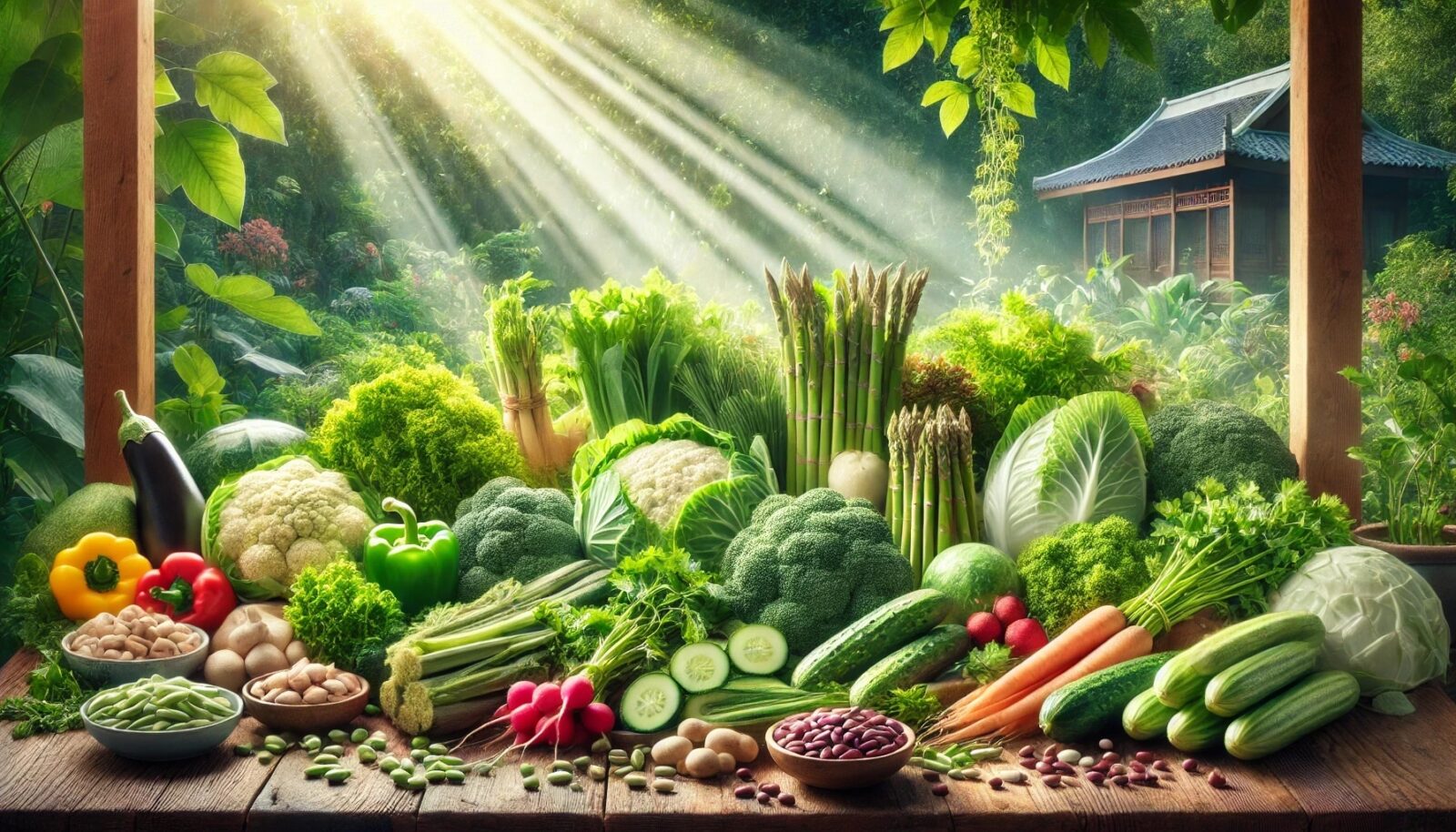
在斋食养生的理念中,以清淡、自然、易消化的植物性饮食为核心,通过减少油腻与负担,帮助脾胃运化,从而逐步化解体内痰湿。现代营养学亦指出,高纤维、低脂肪的饮食结构有助于改善代谢状态,降低体内炎性反应,为身体提供持续而温和的滋养。
本文将从痰湿体质的形成机制、斋食调理原则与具体养生方法三个方面,系统解析如何通过斋食实现体质改善与身心调和。
一、痰湿体质的形成机制
1.脾胃运化失调:脾主运化水湿,功能减弱则水湿停滞,逐渐形成痰湿。
2.饮食过于油腻甜腻:长期摄入高脂、高糖食物,易加重体内湿浊积聚。
3.缺乏运动:气机不畅,水液代谢减慢,导致湿气内生。
4.代谢功能减弱:体内能量转化效率下降,易出现脂肪堆积与水湿滞留。
5.生活作息失衡:熬夜与压力影响脾胃功能,加重体内湿滞状态。
二、斋食调理的核心原则
1.清淡祛湿:以低油、低盐饮食为主,减少对脾胃的负担。
2.健脾化湿:选择有助于脾胃运化的食材,如薏米、山药、扁豆等。
3.温和调养:避免寒凉过度食物,以温性或平性食材为主。
4.高纤维饮食:增加蔬菜与全谷物摄入,促进肠道代谢。
5.规律进食:固定时间进餐,维持消化系统稳定运作。
三、斋食养生的健康益处
1.改善体内湿浊:清淡饮食减少湿气来源,促进体内环境清净。
2.促进代谢平衡:植物性营养结构有助于调节脂质与糖代谢。
3.增强消化功能:高纤维食物促进肠道蠕动,改善脾胃运化。
4.减轻身体负担:低脂饮食减少内脏压力,使身体更加轻盈。
5.滋养身心状态:饮食清净有助于情绪稳定与专注力提升。
四、斋食养生建议
1.推荐食材:薏米、红豆、冬瓜、山药、莲子、绿叶蔬菜等,有助于祛湿健脾。
2.避免食物:油炸食品、甜食、冷饮及过度加工食品,应尽量减少摄入。
3.烹调方式:以煮、蒸、炖为主,避免重油重味。
4.饮食节律:早晚清淡,避免夜间进食过多。
5.长期调养:持续稳定的饮食习惯,逐步改善体质,实现内在平衡。
Date: 04/25/2026 04/26/2026
Location: Star Ocean Meditation Center
Teacher: Sara
Buddhist Diet and Regimen
Dietary Regulation for Phlegm-Damp Constitution
Summary
Phlegm-damp constitution, as described in traditional Chinese medicine, is characterized by internal accumulation of moisture and impaired metabolic transformation. Common signs include heaviness in the body, fatigue, poor appetite, and a thick tongue coating. This condition is often associated with excessive intake of greasy and sweet foods, sedentary lifestyle, and irregular habits.
Within the framework of Buddhist dietary practice, a light and plant-based diet plays a key role in restoring balance. By reducing heaviness in food and emphasizing natural nourishment, vegetarian eating supports digestive function and helps resolve internal dampness. Modern nutrition also confirms that high-fiber, low-fat diets contribute to improved metabolism and reduced inflammation.
This article examines the mechanisms of phlegm-damp constitution, dietary principles for regulation, and practical methods for restoring balance through vegetarian nutrition.
1. Formation Mechanisms of Phlegm-Damp Constitution
1.Digestive Weakness: Impaired spleen function leads to poor fluid transformation and accumulation of dampness.
2.Excessive Greasy and Sugary Foods: High-fat and high-sugar diets contribute to internal stagnation.
3.Lack of Physical Activity: Reduced circulation slows fluid metabolism.
4.Metabolic Imbalance: Inefficient energy conversion leads to fat and fluid retention.
5.Irregular Lifestyle: Stress and poor sleep disrupt digestive harmony.
2. Core Dietary Principles
1.Light and Clean Diet: Reduce oil and salt to ease digestive burden.
2.Support Digestion: Include foods that strengthen digestive function, such as coix seed and Chinese yam.
3.Moderate Thermal Nature: Avoid excessive cold foods; prefer neutral or warming ingredients.
4.High-Fiber Intake: Promote intestinal movement and metabolic efficiency.
5.Regular Eating Patterns: Maintain consistent meal timing.
3. Health Benefits
1.Reduces Internal Dampness: Light diet helps clear accumulated moisture.
2.Improves Metabolism: Plant-based nutrition supports metabolic regulation.
3.Enhances Digestion: Fiber improves gut function and nutrient absorption.
4.Reduces Physical Burden: Lower fat intake supports organ function.
5.Nourishes Body and Mind: Balanced eating promotes clarity and stability.
4. Dietary Recommendations
1.Recommended Foods: Coix seed, red beans, winter melon, Chinese yam, lotus seeds, and leafy greens.
2.Foods to Avoid: Fried foods, sweets, cold drinks, and heavily processed items.
3.Cooking Methods: Prefer boiling, steaming, and stewing.
4.Eating Rhythm: Keep meals light, especially in the evening.
5.Consistency: Long-term adherence is essential for meaningful improvement.