时间:11/13/2027 11/14/2027
地点:星海禅修中心
主讲:净真
打坐参禅
将禅修融入日常生活
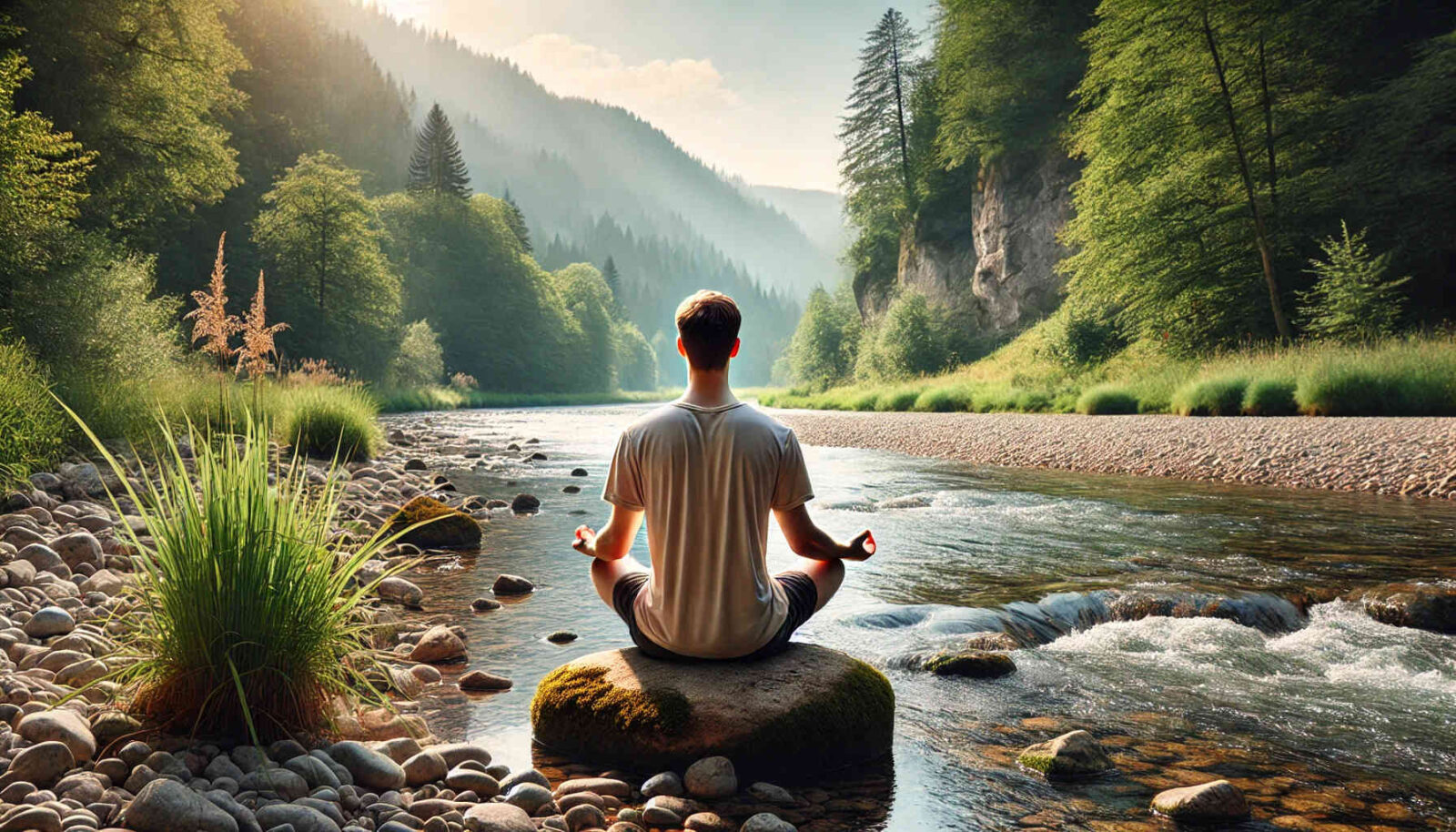
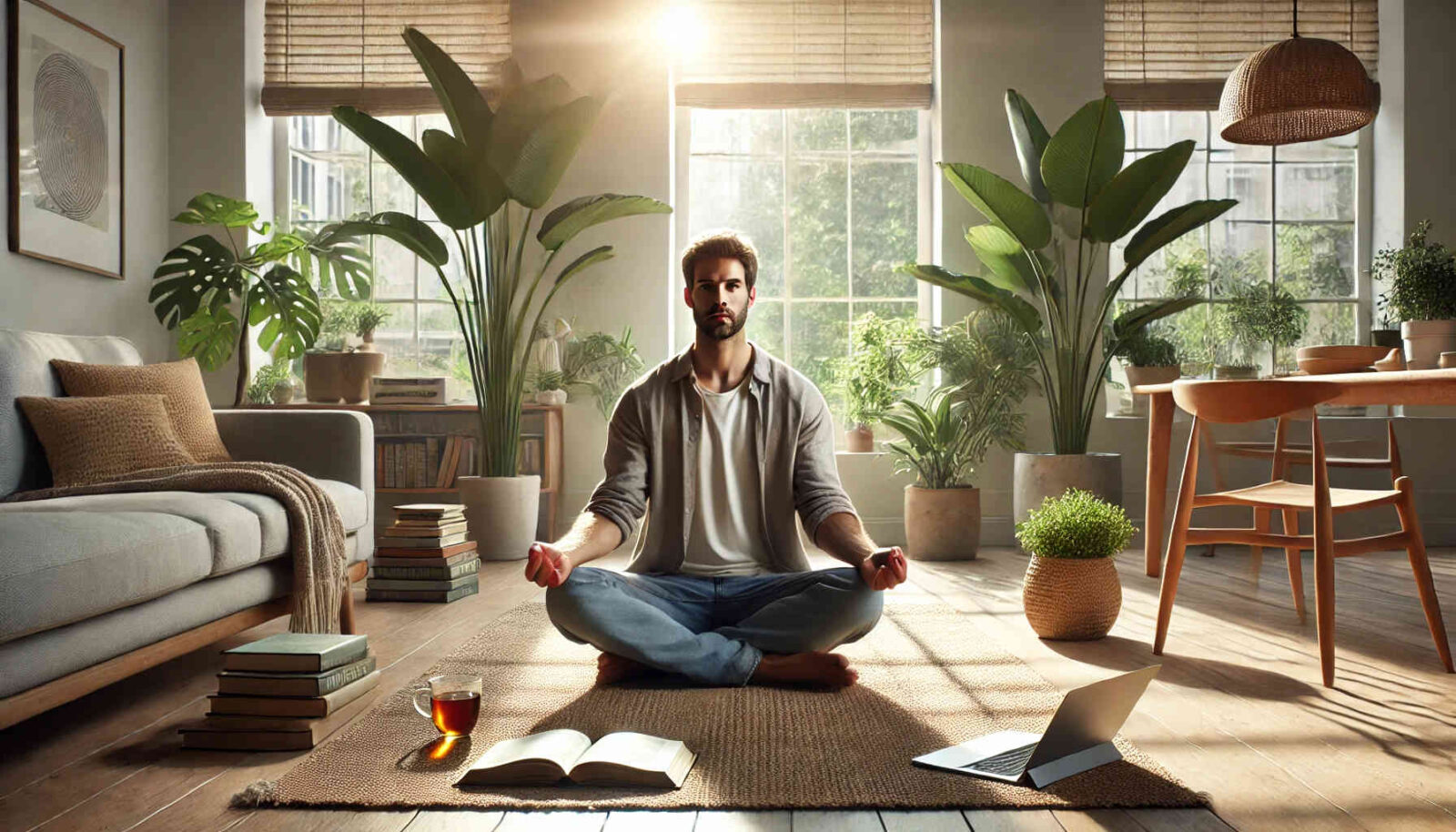
禅修不局限于静坐之中,而应贯穿于行住坐卧的一切活动。所谓“融入”,并不是在生活中增加额外练习,而是在已有的行为之中,引入觉知,使每一个动作、感受与念头,都成为观察与理解的对象。当觉知不再依赖特定环境,而能在各种情境中自然显现时,修行才从阶段性训练转为持续性的生活方式。
一、理解日常禅修的核心
1.觉知优先于形式
关键不在于是否打坐,而在于当下是否清楚知道正在发生什么。
2.生活即修行场域
走路、吃饭、说话、工作,皆可成为觉察的对象,无需另寻特殊情境。
3.不增加负担而是转变方式
不是做更多事情,而是以不同的觉知方式去经历已在发生的事情。
二、建立日常觉知的入口
1.以身体动作为锚点
行走时觉知步伐,进食时觉知咀嚼,工作时觉知手部动作。
2.以呼吸作为回归点
在分心或紧张时,回到呼吸的自然流动,重新建立稳定。
3.以感受作为观察对象
冷热、轻重、紧松、舒适与不适,皆可被直接觉察。
三、在不同情境中的应用
1.行走中的觉知
注意脚步接触地面的变化,而非机械移动。
2.进食中的觉知
觉察味道、吞咽与身体反应,而非沉浸于思考。
3.工作中的觉知
保持对当前任务的清楚,同时觉察注意力是否分散。
4.交流中的觉知
在说话与倾听时,留意语气、情绪与身体反应。
四、处理干扰与波动
1.念头出现时回到当下
不跟随内容,只知道“在想”。
2.情绪波动时保持觉察
愤怒、焦虑、喜悦出现时,不压制也不放纵。
3.压力情境中简化觉知
在复杂环境中,仅维持最基本的身体或呼吸觉察。
五、培养连续性的方式
1.多次短暂觉察
不追求长时间维持,而是频繁回到当下。
2.建立触发点提醒
如开门、坐下、起身时,作为回到觉知的信号。
3.减少自动化反应
在行动前多一刻觉察,使行为不完全由惯性驱动。
六、常见偏差与修正
1.过度用力导致紧张
表现为刻意维持觉知,应放松并简化观察。
2.忽视生活而执着修行形式
只重视打坐而忽略日常,应将觉知扩展至生活。
3.将觉知变成任务
若产生负担感,应回到轻松、自然的观察。
4.期待快速改变
变化需时间累积,应专注过程而非结果。
七、融入后的转变
1.当下感增强
生活不再被思绪占据,而更直接、清晰。
2.反应变得缓和
面对刺激时,不再立即反应,而有空间观察。
3.身心更加协调
行动与觉知逐渐一致,减少内在冲突。
4.稳定性自然延续
觉知不再局限于特定时段,而成为持续状态。
总结
将禅修融入日常生活,不是增加练习,而是改变经历方式。通过在各种活动中保持觉知,修行从局部转向整体,从间断转向连续。当觉知能够在任何情境中自然出现,生活本身即成为修行的展开。
Date: 11/13/2027 11/14/2027
Location: Star Ocean Meditation Center
Teacher: Sara
Sitting Meditation
Integrating Meditation into Daily Life
Meditation is not confined to formal sitting, but extends into all activities of daily living. Integration does not mean adding extra practice, but bringing awareness into what is already happening. Every action, sensation, and thought becomes an object of observation. When awareness is no longer dependent on a specific setting and can naturally arise in all situations, practice shifts from a temporary exercise to an ongoing way of living.
1. Understanding the Core of Daily Practice
1.Awareness over form
The key is not whether one is sitting, but whether one clearly knows what is happening now.
2.Life as the field of practice
Walking, eating, speaking, and working all serve as objects of awareness.
3.Shifting mode, not adding tasks
Practice is not about doing more, but experiencing the same activities with awareness.
2. Establishing Entry Points in Daily Life
1.Use bodily movement as an anchor
Notice steps while walking, chewing while eating, and hand movements while working.
2.Use breath as a return point
When distracted or tense, return to natural breathing to reestablish stability.
3.Use sensations as objects
Observe temperature, pressure, tension, ease, comfort, and discomfort directly.
3. Application in Different Situations
1.Awareness in walking
Notice contact and movement instead of moving mechanically.
2.Awareness in eating
Observe taste, swallowing, and bodily response.
3.Awareness in working
Stay clear about the current task while noticing attention drift.
4.Awareness in communication
Observe tone, emotion, and bodily response during speaking and listening.
4. Handling Distraction and Fluctuation
1.Return when thoughts arise
Do not follow content; simply recognize thinking.
2.Observe emotional changes
Allow emotions without suppression or indulgence.
3.Simplify awareness under stress
Maintain basic awareness of body or breath in complex situations.
5. Cultivating Continuity
1.Frequent short moments of awareness
Repeat returning rather than sustaining long periods.
2.Create trigger points
Use actions like opening a door or sitting down as reminders.
3.Reduce automatic reactions
Insert awareness before action to reduce habitual behavior.
6. Common Deviations and Corrections
1.Excess effort creates tension
Relax and simplify awareness.
2.Attachment to formal practice
Extend awareness beyond sitting.
3.Turning awareness into a task
Return to a natural and effortless approach.
4.Expectation of quick results
Focus on process rather than outcome.
7. Transformations After Integration
1.Stronger sense of presence
Experience becomes clearer and less dominated by thought.
2.More measured responses
Space appears between stimulus and reaction.
3.Greater body–mind coordination
Action and awareness align more naturally.
4.Continuity of awareness
Awareness extends beyond specific sessions into daily life.
Conclusion
Integrating meditation into daily life is not about adding effort, but transforming how experience is lived. Through awareness in all activities, practice shifts from partial to total, from intermittent to continuous. When awareness naturally arises in any situation, life itself becomes the unfolding of meditation.