时间:09/18/2027 09/19/2027
地点:星海禅修中心
主讲:净诚
佛法修行
佛说论乐四比丘前缘
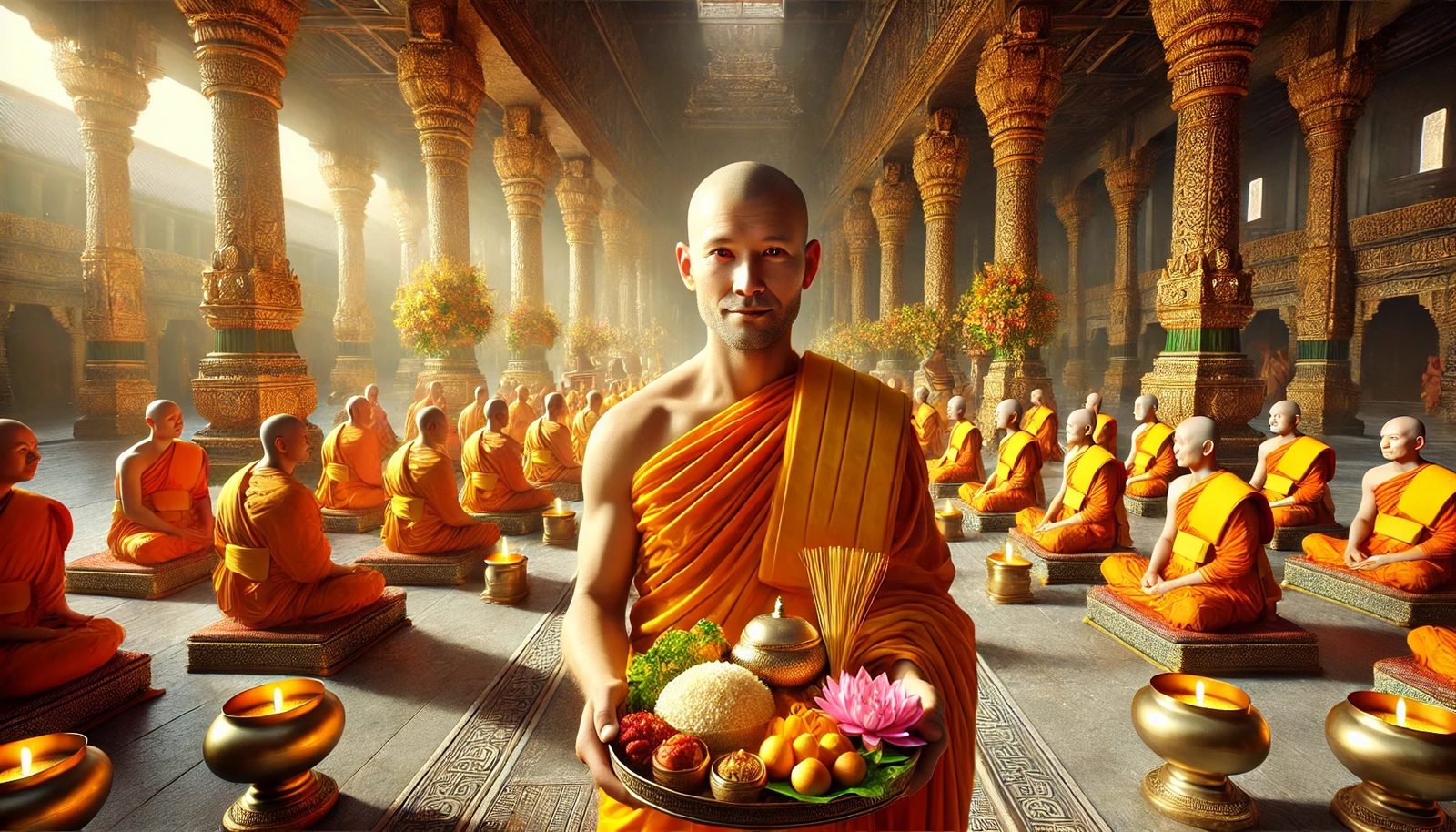
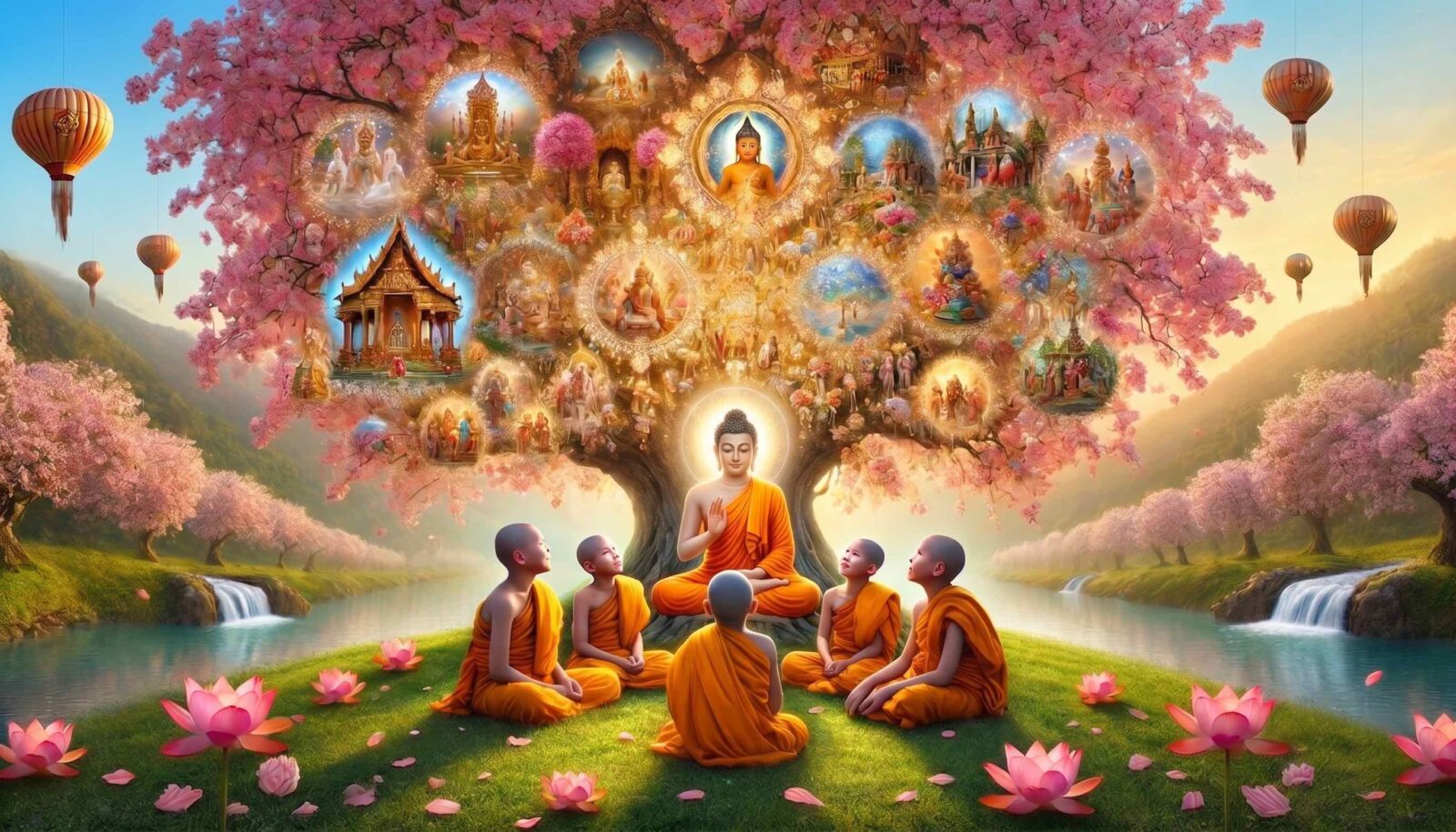
昔日,佛陀于舍卫国的祇园精舍弘法度众。一天,有四位出家不久的比丘相约在奈树下坐禅修道。当时正值奈花绽放的季节,美丽的奈花散发出阵阵怡人的清香,不禁让人想起在世间享乐的愉快情景。四人互相闲聊,讨论着世间万物何者最为可爱,能让人获得满足?其中一位比丘,欣赏着眼前的美景,微笑说道:“春暖花开的时节,在青翠的山林原野间郊游嬉戏,是最令人愉快的事情了。”一位比丘回忆起和亲朋好友聚会的情景,便说:“和亲人相聚酌饮,并一边观赏曼妙的歌舞音声,是多么快乐的事呀!”在旁的比丘则说:“若有富足的金银财宝,华贵的车马服饰,一出门即人人称羡,那不知该有多好呢!”另一位比丘附和着:“要是再有娇妻美妾,身着精致衣裳,香气馥郁,如此恣意享受情爱的欢愉,更是令人快乐。”这四位比丘,就这样你一言、我一句,雀跃地谈论着人间的乐事。
佛陀知道这四人应可度化,只是被世间的欲望牵引,而未能深入思惟无常的道理。于是将这四位比丘唤到面前,询问刚才在树下谈论些什么,显得如此开心?比丘们只好具实禀告。佛陀听了以后,藉此因缘告诉他们:“你们的那些想法都相当危险,只会引导大众走向忧愁、畏惧、危险及死亡,并非长久而真实的快乐。草木随着时节的更替而成长、凋落;亲人的欢聚总有别离的时刻;财富车马终难逃水、火、官、盗、败家子所劫的命运;而妻妾的美色更是爱憎烦恼的祸首。所以世间的享乐,表面看似美好,其实往往使自己陷入一波又一波的烦恼,招致怨恨灾祸,堕入八难三途,苦痛万分。所以比丘们要看清这个事实,舍弃世间的财色名利,出家精进行道,走向不生不灭的涅槃之路,才是人生最大的乐事。”世尊进一步以偈语劝导:
“爱喜生忧,爱喜生畏,无所爱喜,何忧何畏?
好乐生忧,好乐生畏,无所好乐,何忧何畏?
贪欲生忧,贪欲生畏,解无贪欲,何忧何畏?
贪法戒成,至诚知惭,行身近道,为众所爱。
欲态不出,思正乃语,心无贪爱,必截流度。”
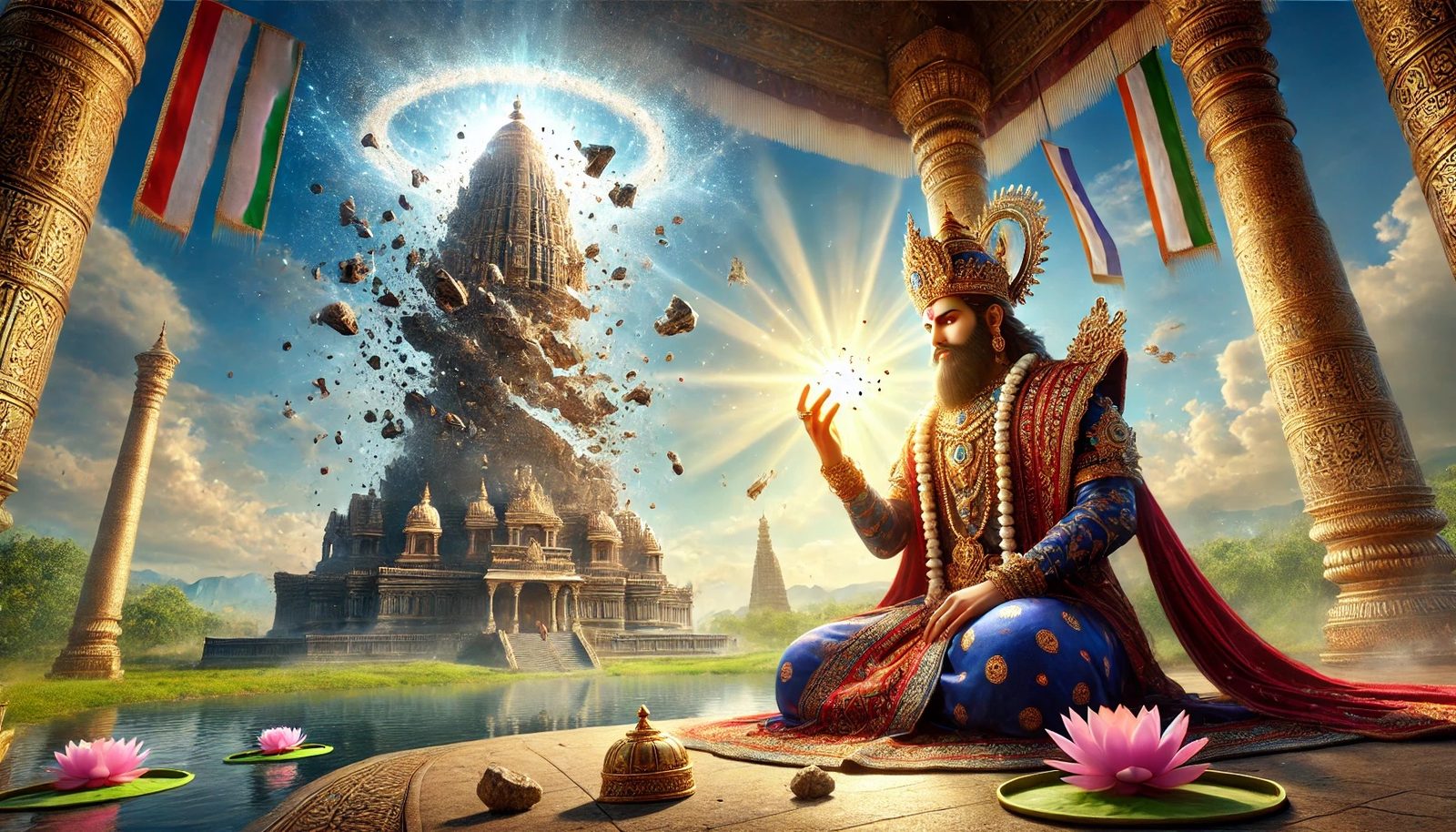
佛陀告诉四位比丘:“过去有一位国王名叫普安,与邻边的四位国王互为亲友。有一次,普安王邀请四位国王到自己的国家作客,连续宴会一个月,饮酒作乐,极尽狂欢。到了临别的那一天,普安王问四位国王:‘什么是世间最快乐的事情呢? ’第一位国王说:‘当然是我们一起聚会游戏最乐。’另一位国王则说:‘我认为亲属欢宴时,一边听着美妙的音乐最令人快乐。’一位国王接着说道:‘有众多的财宝可以恣意取用最令人快乐。’最后一位国王则说:‘男欢女爱,恣情贪欢是世间最快乐的事。’普安王告诉他们:‘你们所说的,其实都是苦恼、忧畏的根源呀!享乐的当下虽然很快乐,却种下了贪、瞋、痴的种子,将来因缘成熟必定会面临苦果。不如淡泊修道,无求无欲,守住这一念真心,这才是真正的快乐。’四位国王听了齐声赞叹,并且信受奉行。”
佛陀告诉这四位新学比丘:“当时的普安王,就是我的前身,而那四位国王,就是你们四人。过去生你们即已听闻这个道理,今世却又迷失忘却,不解世间苦乐之义,如此生死轮回,何时才有出离的一天?”四位比丘听了佛陀的教诲,心生惭愧,至诚忏悔,精进修行,灭除妄念,断尽贪欲,不久皆证得阿罗汉果。
Date: 09/18/2027 09/19/2027
Location: Star Ocean Meditation Center
Teacher: Jason
Dharma Talk
The Former Causes of the Four Monks Discussing Pleasure
In the past, the Buddha was teaching and guiding beings at Jetavana Monastery in Śrāvastī. One day, four newly ordained monks sat beneath a mango tree to meditate. It was the season when mango blossoms were in full bloom, their fragrance pleasant and evocative of worldly pleasures. The four began to converse, discussing what in the world is most delightful and satisfying. One monk, admiring the scenery, said, “In the warm spring among green mountains and fields, wandering and enjoying oneself is most delightful.” Another recalled gatherings with relatives and said, “To drink together with family while enjoying graceful music and dance is truly joyful.” A third said, “To possess abundant gold and silver, fine carriages and clothing, and be admired wherever one goes—how wonderful that would be.” The fourth added, “To have beautiful wives and concubines, adorned in exquisite garments and fragrant scents, indulging freely in sensual love—this is the greatest joy.” Thus they spoke eagerly of worldly pleasures.
The Buddha knew these four could be guided, but they were led by desire and had not deeply contemplated impermanence. He summoned them and asked what they had been discussing. They answered truthfully. The Buddha said, “Your thoughts are dangerous. They lead to sorrow, fear, danger, and death, not to lasting and true happiness. Plants grow and decay with the seasons; gatherings with loved ones end in separation; wealth and possessions are subject to loss by water, fire, rulers, thieves, and wasteful heirs; beauty leads to attachment and affliction. Worldly pleasures appear delightful but bring endless suffering, resentment, and misfortune, leading to lower realms. You must see this clearly, abandon wealth, lust, fame, and gain, and diligently cultivate the path toward nirvāṇa, the unborn and undying—this is the greatest joy.” The Buddha further instructed with verses:
“From love and delight comes sorrow,
From love and delight comes fear;
Free from love and delight,
What sorrow, what fear?
From pleasure comes sorrow,
From pleasure comes fear;
Free from pleasure,
What sorrow, what fear?
From craving comes sorrow,
From craving comes fear;
Free from craving,
What sorrow, what fear?
With virtue perfected through Dharma,
Sincere and with a sense of shame,
One practices close to the path,
Beloved by all.
Without indulgence in desire,
Right thought gives rise to right speech;
With a mind free from attachment,
One surely crosses the stream.”
The Buddha said, “In the past, there was a king named Pu’an, who was friendly with four neighboring kings. Once he invited them for a month of feasting and pleasure. At parting, he asked what is the greatest joy. One said gathering and games, another said feasting with music, another said wealth, and another said sensual love. King Pu’an said, ‘These are all roots of suffering and fear. Though joyful at the moment, they plant seeds of greed, hatred, and delusion, which will ripen into suffering. Better to cultivate the path with few desires and preserve the true mind—this is real happiness.’ The four kings praised and accepted this teaching.”
The Buddha told the monks, “That King Pu’an was my former self, and those four kings are you. In past lives you heard this teaching, yet now you have forgotten and remain confused about true happiness and suffering. How long will you remain in the cycle of birth and death?”
Hearing this, the four monks felt deep shame, repented sincerely, practiced diligently, eliminated delusion, cut off craving, and soon attained arhatship.