时间:04/11/2026 04/12/2026
地点:星海禅修中心
主讲:净诚
佛法修行
差摩比丘尼出家证果之宿缘
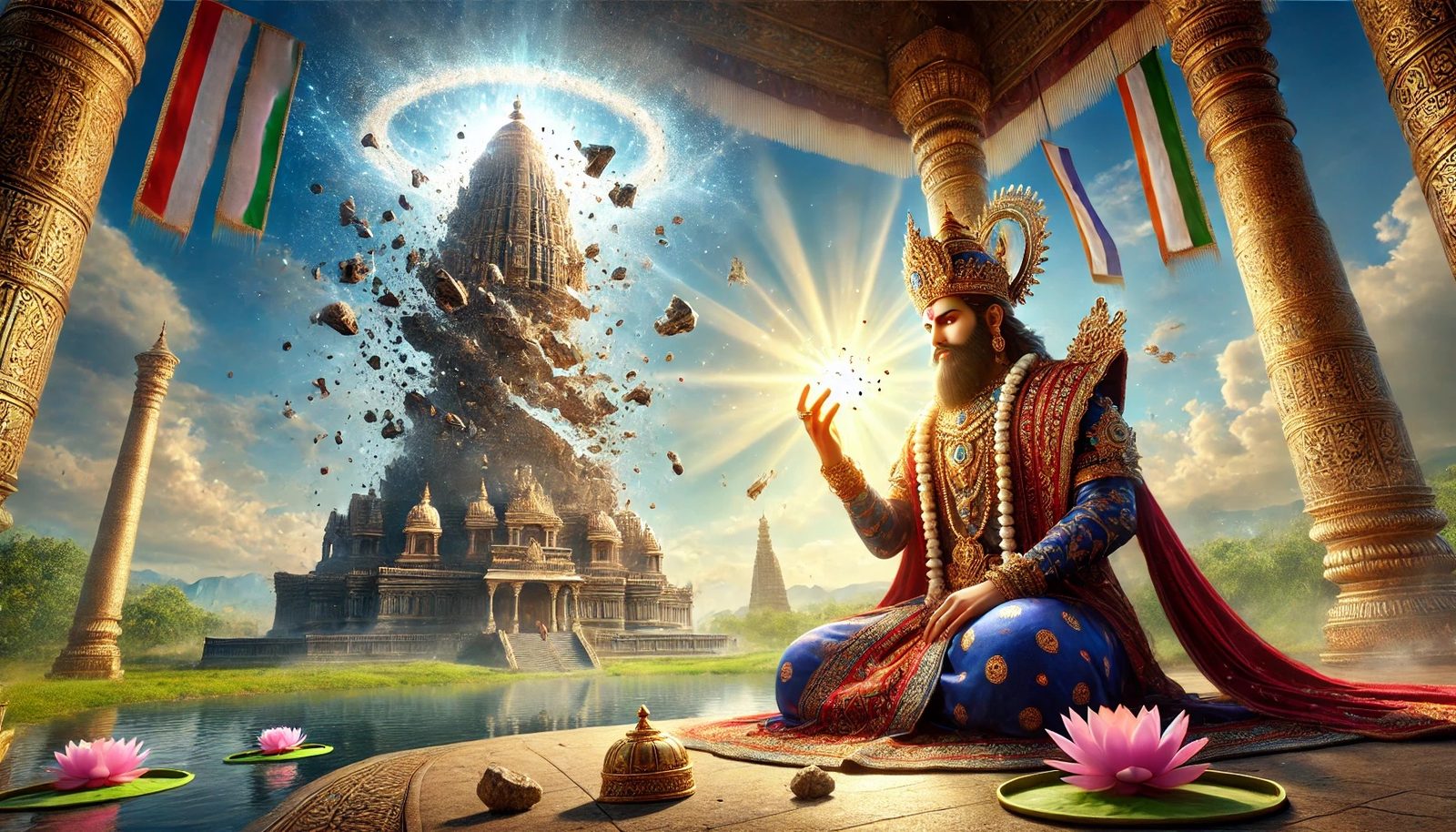
过去,佛在舍卫国祇树给孤独园弘化。当时波斯匿王与梵摩达王常起争执,互相攻伐,各自率领着象兵、马兵、车兵、步兵等军将兵众,驻守于河的两岸,相对峙。
那时两位国王的夫人刚好都怀胎满月,分别生下一男一女,相貌端正殊妙。两位国王皆非常欢喜,击鼓宣令召集兵众,赏赐财物,欢乐庆贺。双方都有意和解,于是共同协议:「两国联姻婚娶,从此不再互相侵犯,乃至后代子孙亦然。」约定后,便各自退兵回国。
梵摩达王夫人生的是儿子,当王子长到七岁时,梵摩达王便带着种种珍宝去波斯匿王的国家下聘,请求迎娶波斯匿王的女儿。听闻此事,波斯匿王女即向父王说道:「人身难得,我今已得;诸根难具足,我今已具;信心难生,我今心已信;佛世难值,我今得值。恳请父王不要将女儿置于险难处,使女儿永离诸善知识。唯愿慈愍,允许我出家。」
波斯匿王回复:「妳一出生,我就将妳许配给梵摩达王的儿子;因为有妳这门亲事,二国才得以维持和平,不互相攻伐。我若不答应对方的请求,就是违背诺言,他们一定会再与我们为敌,诸天也会嫌责我,不再庇护我国,大臣、人民也会对我失去信任,而且这样做也违背先王制定下来的规矩。妳难道没有听说过阿阇世王、波瞿利王等数十位国王,皆因妄语而堕入地狱中?妳难道希望我也和那些国王一样,因妄语而遭受地狱之苦?所以妳不要再跟我说要推辞此桩婚事。」
波斯匿王说完,便派遣使者回复梵摩达王,请于七日内速来迎娶。波斯匿王之女听闻父王派遣使者,催促对方速来迎娶之事,心生忧恼,便穿着垢腻污衣,脱下身上的璎珞配饰,登上高楼,长跪合掌,遥向祇洹精舍的方向默祷:「如来世尊,慈悲怜悯一切众生,一念之中能知三世一切事。我今遭遇苦厄,愿慈悲前来救度。」
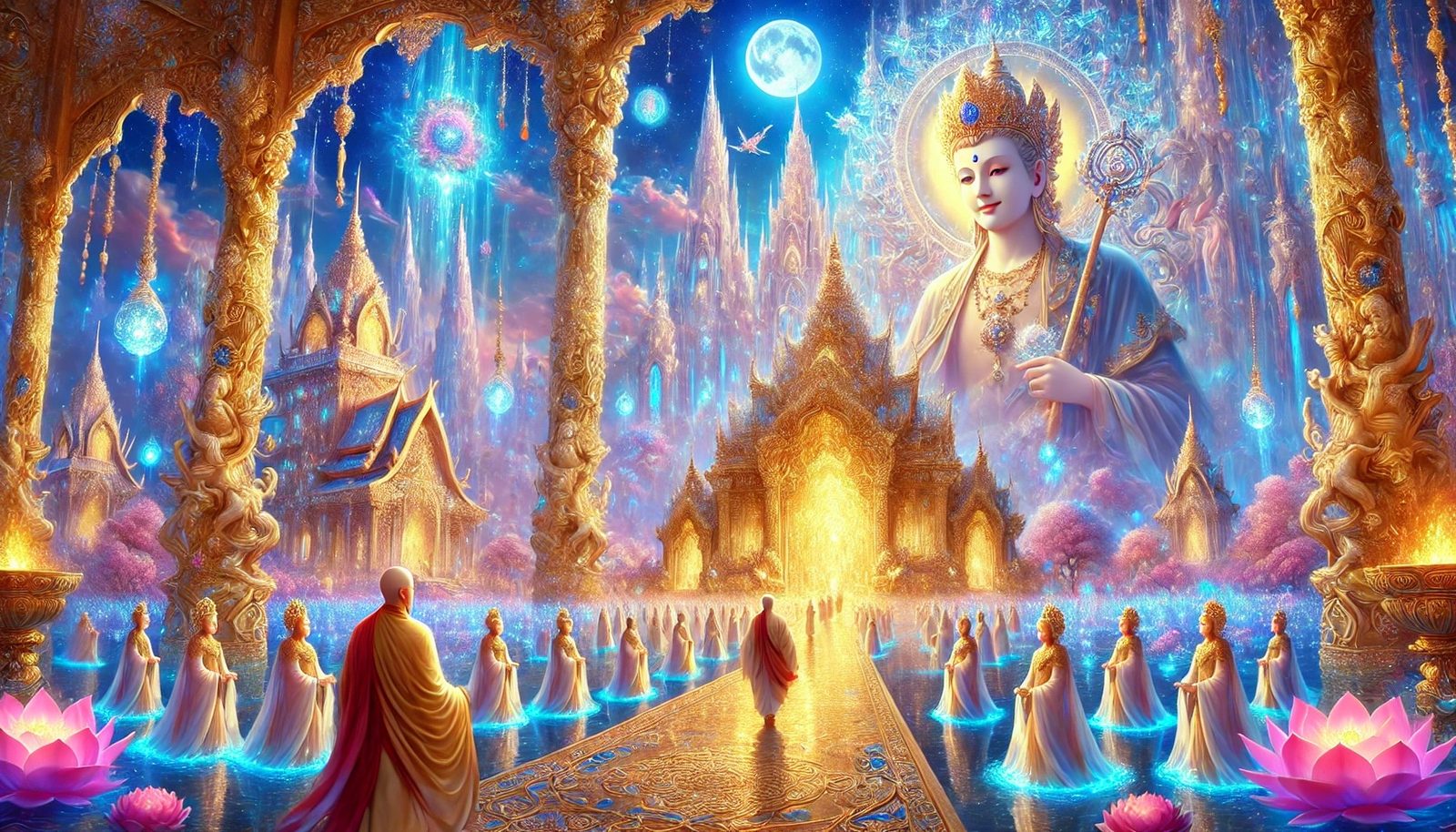
此时佛已知波斯匿王之女的虔诚祈求,即刻出现在其面前,为她说法。波斯匿王之女闻法,心开意解,当即证得阿那含果。
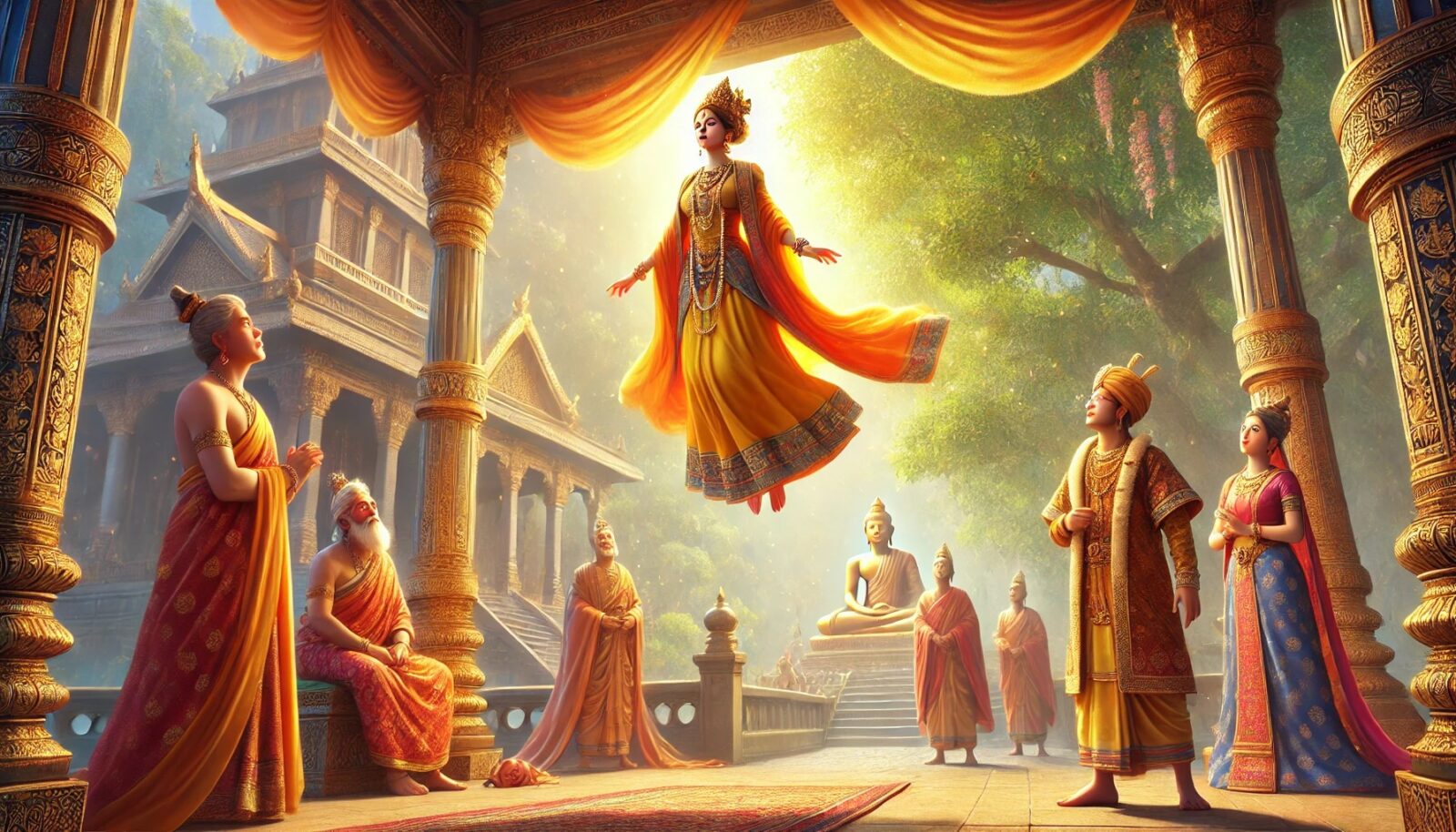
到了第七日,梵摩达王的王子带领着侍从数千万人,及种种珍宝、名贵服饰,前来迎娶。到了宫中,准备迎娶时,波斯匿王之女即飞腾到空中,现十八种神变,东踊西没,南踊北没,行住坐卧变化自在,而后从空中下来。
波斯匿王见此情景,深感惶恐,向女儿说道:「我实在愚昧,不知妳有如此的神通变化,竟还想以污秽尘染于妳。我忏悔罪过,允许妳出家。」梵摩达王的王子见此情景,亦生起敬信心,说道:「我也是愚痴,未能识别圣者,妄作婚娶想,请接受我的忏悔,我也同意妳出家。」波斯匿王之女听闻后,便即刻前往祇洹精舍拜见佛,请求出家。波斯匿王之女出家后,精勤修习,不久便证得阿罗汉果。
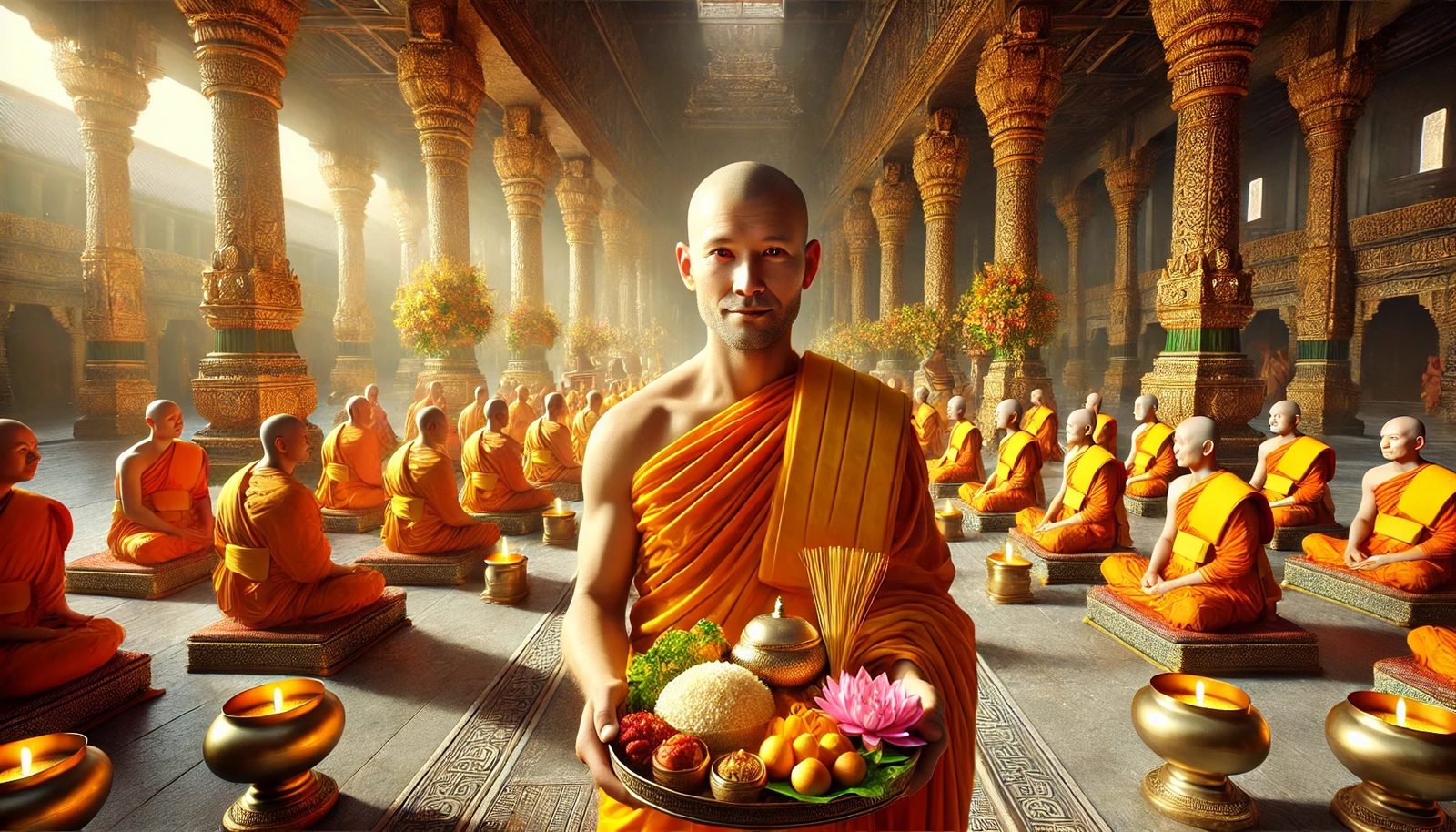
比丘们得知此事,便请问佛:「差摩比丘尼过去生修了怎样的福,得以出生在王室,却没有世俗的欲望,且还能出家修行,得证道果?」佛告诸比丘:「汝等仔细听,我为你们解说。在过去贤劫时,有一波罗奈国,当时有佛出世,佛号迦叶。那时有一位妇女常和丈夫争吵,有一天,夫妇二人互相劝导,一同前往比丘处,求受八关斋戒,并共同发愿:『希望未来所投生之处,都能享有尊荣豪贵,若有发生争吵,也都能和解。』发完愿后,随各自寿命长短,先后命终,分别投生于王室中。」
佛接着说道:「当时那位丈夫的父亲,即是今世的梵摩达王;那位妇人的父亲,即是今世的波斯匿王;那位丈夫,即是今世梵摩达王的王子;那位妇人,就是今世的波斯匿王之女。」
比丘们闻佛所说,皆欢喜奉行。
Date: 04/11/2026 04/12/2026
Location: Star Ocean Meditation Center
Teacher: Jason
Dharma Talk
The Past Causes for Bhikṣuṇī Kṣamā’s Renunciation and Attainment
In the past, the Buddha was teaching at Jetavana in Śrāvastī. At that time, King Prasenajit and King Brahmadatta were often in conflict, waging war against each other. Each led armies of elephants, horses, chariots, and infantry, stationed on opposite banks of a river in confrontation.
At that time, both kings’ queens were full-term in pregnancy and each gave birth—one to a son and the other to a daughter, both of extraordinary beauty. The kings rejoiced, summoned their armies with drums, distributed rewards, and celebrated. Both sides intended reconciliation and agreed: “Let our two nations be united by marriage. From now on, we shall not invade each other, and this shall continue for future generations.” After making the agreement, they withdrew their troops and returned home.
King Brahmadatta’s queen bore a son. When the prince reached the age of seven, Brahmadatta brought many treasures to King Prasenajit’s land to arrange a betrothal, requesting the hand of his daughter. Upon hearing this, the princess said to her father: “Human birth is difficult to obtain, yet I have obtained it. The faculties are hard to perfect, yet I have them complete. Faith is hard to arise, yet faith has arisen in me. It is rare to encounter a Buddha, yet I have encountered one. I beg you, father, do not place me in danger and separate me forever from good spiritual friends. Please have compassion and allow me to go forth into monastic life.”
King Prasenajit replied: “From the moment you were born, I promised you in marriage to Brahmadatta’s son. Because of this union, our two nations maintain peace. If I refuse now, I break my word. They will become enemies again, the devas will blame me and cease to protect us, and the ministers and people will lose trust in me. This would also violate the laws of our ancestors. Have you not heard of kings such as Ajātaśatru and others who fell into hell due to false speech? Do you wish me to suffer the same fate? Therefore, do not ask to withdraw from this marriage.”
After speaking, the king sent envoys to Brahmadatta, requesting him to come within seven days to take the bride. Hearing this, the princess became distressed. She wore soiled garments, removed her ornaments, ascended a high tower, knelt with palms joined, and silently prayed toward Jetavana: “Thus Come One, World-Honored One, who compassionately regards all beings and knows all events of the three times in a single thought, I now encounter suffering—please come and rescue me.”
At that moment, the Buddha, knowing her sincere prayer, appeared before her and taught the Dharma. Upon hearing it, she attained the fruit of Non-returner.
On the seventh day, the prince of Brahmadatta arrived with vast retinues and treasures to take her. As preparations were made, the princess rose into the air and displayed eighteen kinds of miraculous transformations, moving freely in all directions, then descended.
Seeing this, King Prasenajit was filled with fear and said, “I was truly ignorant. Not knowing your spiritual powers, I nearly defiled you. I repent and permit you to renounce.” The prince also developed faith and said, “I too was ignorant and failed to recognize a noble one. Please accept my repentance. I agree to your renunciation.” The princess then went to the Buddha, requested ordination, practiced diligently, and soon attained arhatship.
The monks asked the Buddha: “What merit did Bhikṣuṇī Kṣamā cultivate in past lives to be born in a royal family, free from worldly desire, able to renounce, and attain realization?” The Buddha said: “Listen carefully. In a past age, in Bārāṇasī, there was a Buddha named Kāśyapa. At that time, a woman often quarreled with her husband. One day, they admonished each other, went together to a bhikṣu, received the Eight Precepts, and made a vow: ‘May we be born in places of honor and wealth, and even if disputes arise, may we always reconcile.’ After making this vow, they passed away according to their lifespans and were reborn in royal families.”
The Buddha continued: “The father of that husband is now King Brahmadatta; the father of that woman is now King Prasenajit; the husband is now Brahmadatta’s prince; and the woman is now the princess.”
Hearing the Buddha’s teaching, the monks rejoiced and practiced accordingly.